Author: it@arcticportal.org

  • PAGE21 General Assembly has started

    PAGE21 General Assembly has started

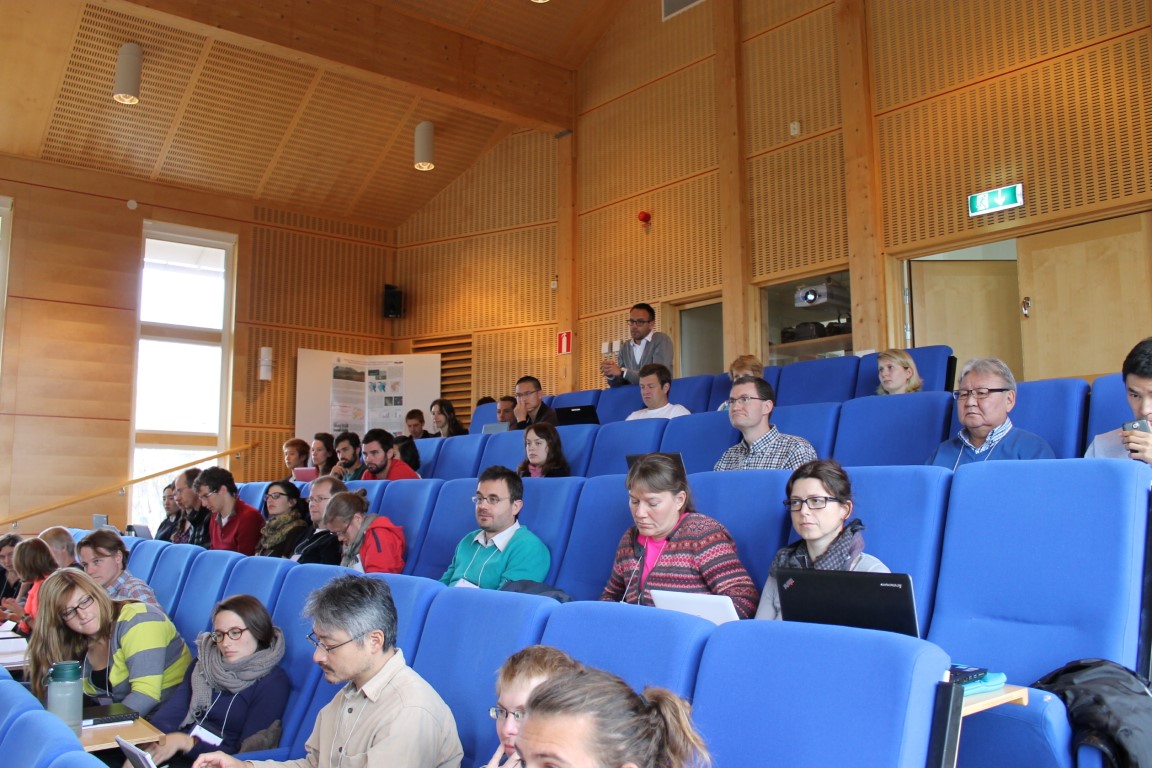
    Participants of PAGE21 General Assembly gathered in Abisko, northern Sweden

    Today, Monday the 23rd of September, participants of PAGE21 General Assembly have been officially welcomed in Abisko Research Station.

    The opening session was held by Margarieta Johansson who described general features of conference venue.

    Financial management, reporting, communication and outreach strategies have been presented by Leena – Kaisa Viitanen, representative from Alfred Wagener Institute in Germany and Magdalena Tomasik from project´s Icelandic partner – Arctic Portal.

    Jean – Pierre Lanckman and Boris Biskaborn presented principles of earth system science and permafrost database that will be launched in March 2014.

    Permafrost scientists and administrative representatives will cooperate on development of the project during the next two days.

  • PAGE21 researchers meet in Abisko

    PAGE21 researchers meet in Abisko

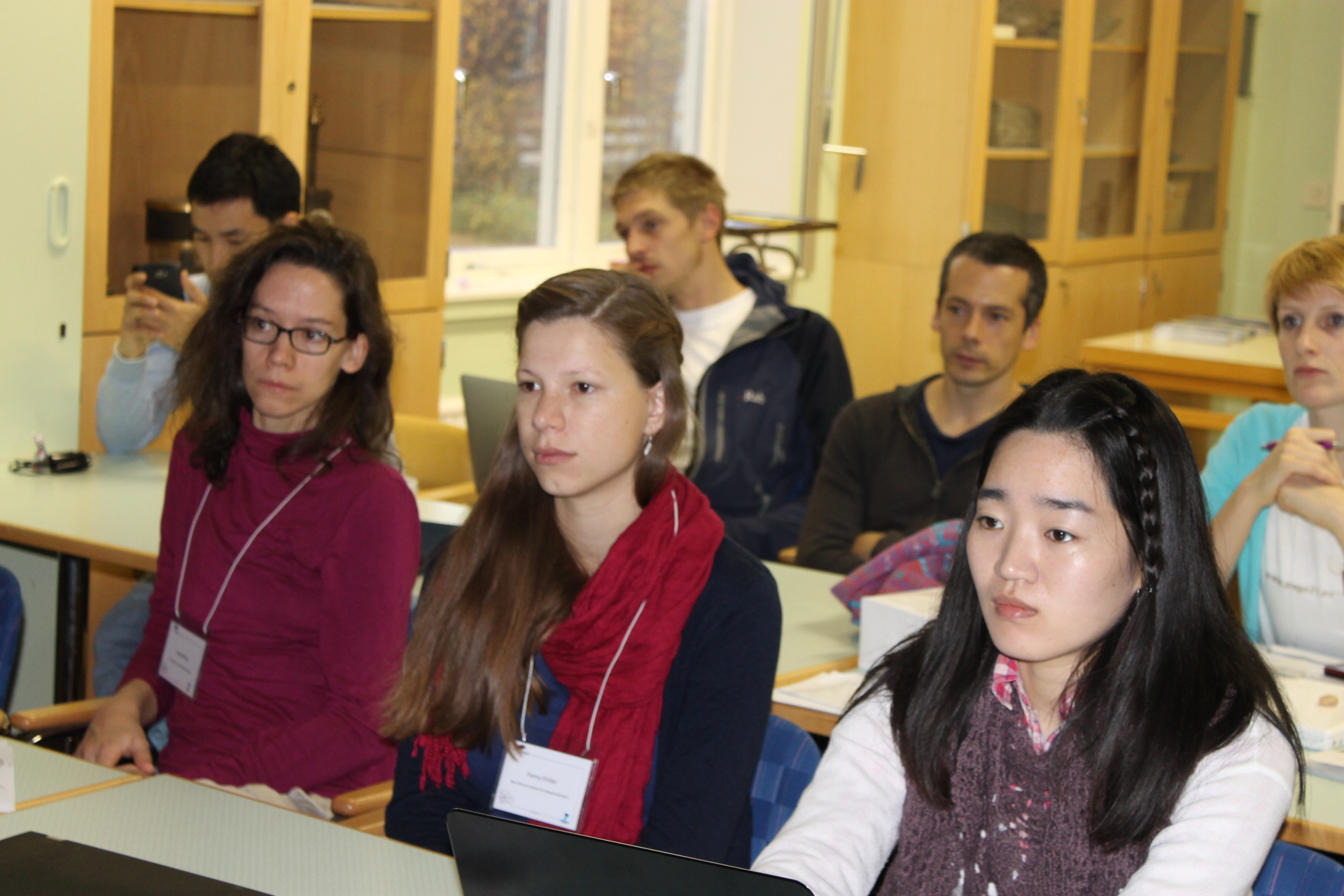
    PAGE21 young researchers meet in Abisko, northern Sweden

    Today, Sunday the 22nd of September, permafrost young researchers gathered in Abisko during the 2nd Page21 General Assembly Young Researchers workshop.

    Scientists are being part of PAGE21 project which is is a Large-scale integrating collaborative project under the ENV call topic “Vulnerability of Arctic permafrost to climate change and implications for global GHG emissions and future climate” (ENV.2011.1.1.3-1) coordinated by Professor Hans-Wolfgang Hubberten from AWI.

    Young researchers discussed several topics to include protocols and data management, general challenges in permafrost research as well as cooperation with Page21´s Canadian partner – ADAPT.

    Presentation on project´s communication and outreach strategies was given to inform about great success of this summer´s blogs that were written by young researchers during their work in the Arctic field sites.

    Blog have received over 10 000 entries during few months and the number is still growing.
    Arctic Portal who is hosting PAGE21 website and administrating Work Package 1: ´´Communication and Outreach´´ decided to keep on with blogs project to bring even more awareness to important permafrost research.

    At the beginning of next month both partners will also start new series of Young Researchers Profiles in order to bring more recognition to scientists committed to the project.

    After indoor part of the workshop, group of scientists attended field exercises.

    Young scientists will attend PAGE21 General Assembly that starts tomorrow and lasts until Tuesday.

  • Polar Sea: A Filmmaker’s Journey

    Polar Sea: A Filmmaker’s Journey

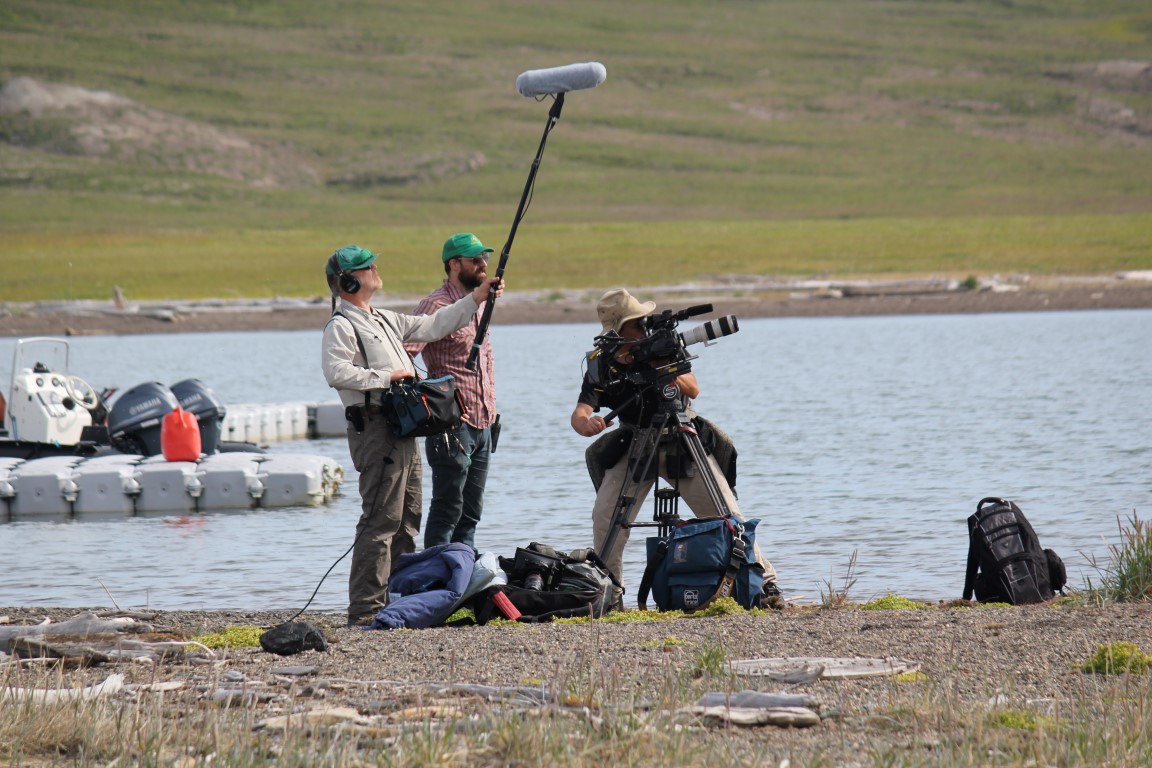
    North West Passage documentary team

    We are happy to announce that permafrost drilling team from Herschel Island got a deserved recognition and was accompanied by the Doc Studio – an online community for documentary filmmakers.

    Arctic Portal, together with PAGE21 and Herschel Island permafrost team is happy to introduce its readers to the blog from the shoot for “The Polar Sea”.

    Documentary film will be launched later this year and it will consist of 10 episodes of multi – media expedition through the Northwest Passage.

    The blog is being written by, Dylan Reibling -Director of the Herschel Island shoot for “The Polar Sea.” He’s also an award-winning filmmaker and interactive artist.

    His work ranges from documentary, stop-motion animation and narrative films to interactive prototypes. His films have travelled to 50 international film festivals. His most recent short film “Record” has been featured at 20 film festivals around the world – including screenings at the Toronto International Film Festival, the Tribeca Film Festival, and the British Film Institute. Dylan won Best Director (fiction) at the 2009 Yorkton Film Festival.

  • From Alaska to Iceland: six years later

    From Alaska to Iceland: six years later

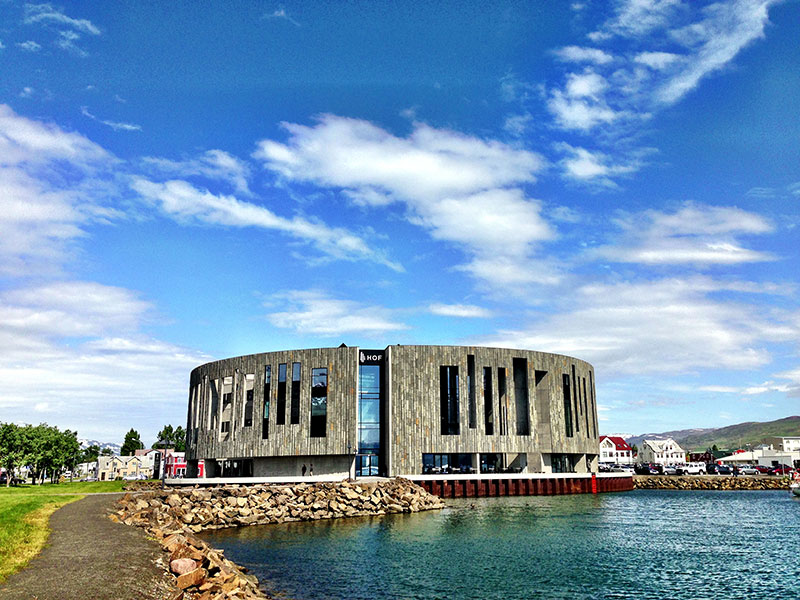
    HOF - Culture House in Akureyri and the conference venue

    Once again, after highly successful 2007 Arctic Energy Summit and Technology Conference, The Institute of the North, together with its Icelandic partner – the Arctic Portal, is organizing The 2013 Arctic Energy Summit.

    The event will take place 8th – 10th October in Akureyri, northern Iceland and relate to thematic areas such as richness, resilience and responsibility. More information about the conference and its topics is available here.

    Foe those, who do not remember, the first Arctic Energy Summit was held in 2007 in Anchorage, Alaska and gathered close to 300 representatives from 13 different countries.
    The technology conference provided a forum for the presentation of international, interdisciplinary technical research papers on the Arctic as an emerging province.

    Presentations covered fields of extractive energy, rural power and sustainability of energy in the Arctic. To read more about topics covered by Arctic Energy Summit 2007, please visit the IoN Website.

    This year´s speakers will include David J.Hayes, Deputy Secretary of the Department of the Interior in the United States, David Garman, the former Under Secretary of Energy at the U.S. Department of Energy, and Aqqaluk Lynge, the former President of the Inuit Circumpolar Council (ICC) and its current international Chair.

  • Arctic Week in Iceland coming soon

    Arctic Week in Iceland coming soon

    Arctic Week in Iceland

    October of 2013 presents an excellent opportunity to visit Iceland and attend two exciting Arctic conferences, held back to back in one of Europe’s hottest travel destinations.

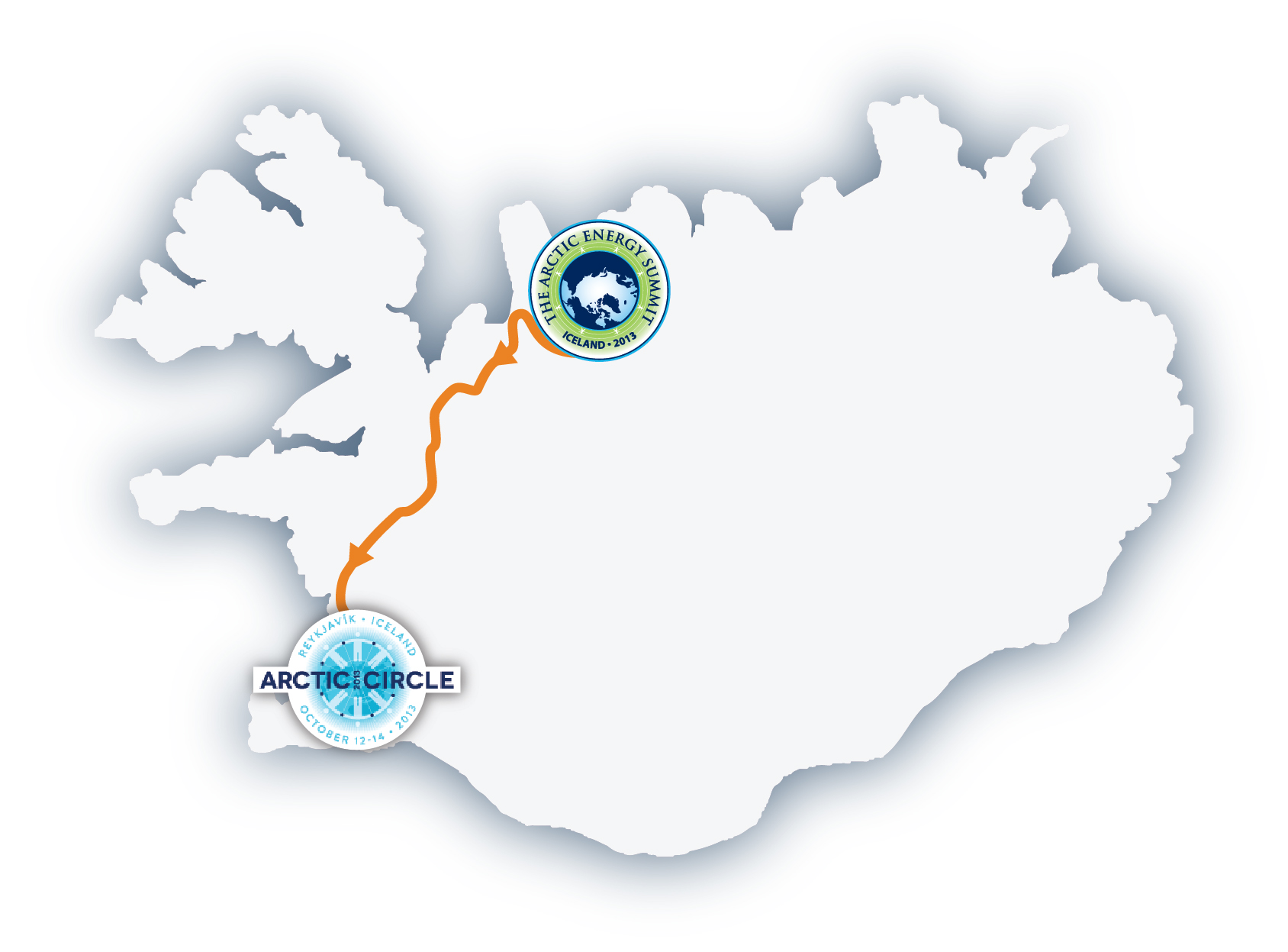
    Visitors will have the chance to travel around the country as the Arctic Energy Summit (8-10 October) is held in the town of Akureyri in the north of Iceland, while the Arctic Circle assembly (12-14 October) will take place in the southern capital, Reykjavík.

    This provides the perfect opportunity to discover Iceland while attending two high-level international Arctic conferences – engaging in an important dialogue on the future of the Arctic – all in one trip.

    Several opportunities around the conferences give visitors an opportunity to experience Iceland, including familiar hotspots such as the Blue Lagoon or the Golden Circle, as well as the Lonely Planet’s top destination of 2013, Northern Iceland, with its boiling mud pools, erupting geysers, waterfalls and unique landscapes. The welcoming hospitality of Icelanders allows visitors to have a relaxing but exciting time wherever they go.

    The imagination is the only limitation of an Icelandic experience!

    Click here for more information about the conference.

    SOURCES

    Arctic Energy Summit 2013

    See also:

    Arctic Portal Library

    Arctic Portal Mapping System

  • New series of PAGE21 live blogs

    New series of PAGE21 live blogs

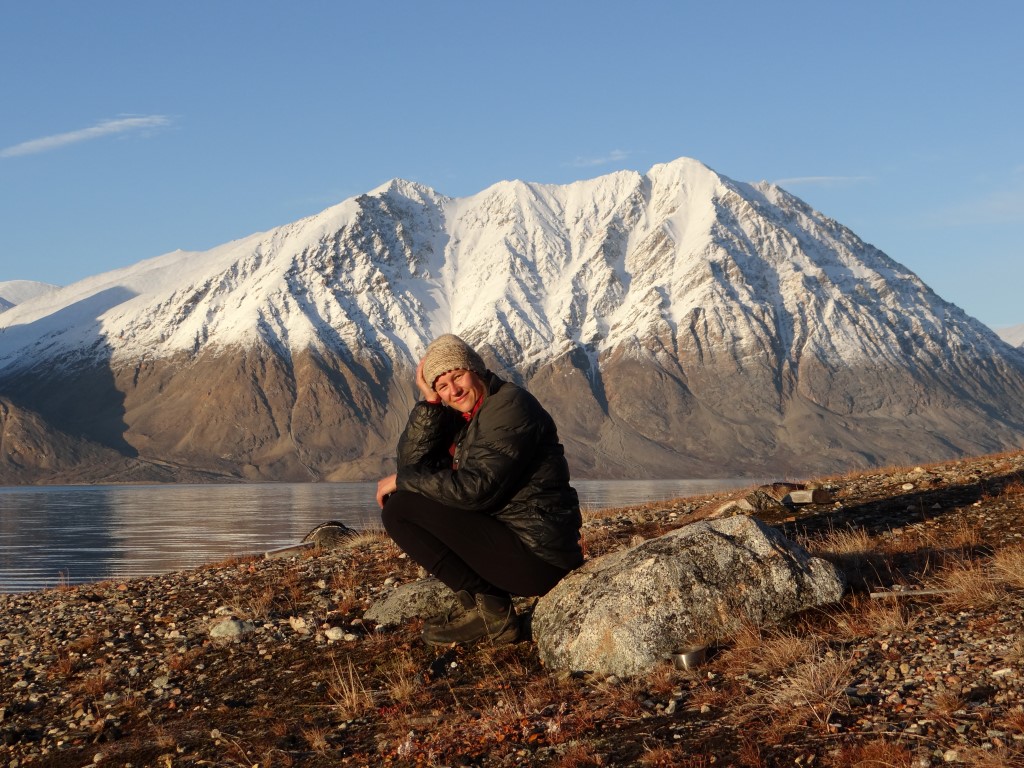
    Stefanie and Young Sound Fjord in the background Kjersti Gisnås

    PAGE21 young researchers have just started their fall season of permafrost investigation in remote areas, located in the northern hemisphere. So far we have received interesting writings from Samoylov and Zackenberg, located in North – East Greenland.

    While collecting data on permafrost temperature, CO2 and CH4 fluxes, delegates from all the research stations, explain the particularity of the research done at each site. What is more they describe adventures, dangers and exciting daily life in remote Arctic locations.

    PAGE21 Blogs are available for the public and can be accessed here.

    PAGE21 project aims to understand and quantify the vulnerability of permafrost environments to a changing global climate, and to investigate the feedback mechanisms associated with increasing greenhouse gas emissions from permafrost zones.

    This research will make use of a unique set of Arctic permafrost investigations performed at stations that span the full range of Arctic bioclimatic zones. The project will bring together the best European permafrost researchers and eminent scientists from Canada, Russia, the USA, and Japan.

    The PAGE21 is a Large-scale integrating collaborative project under the ENV call topic “Vulnerability of Arctic permafrost to climate change and implications for global GHG emissions and future climate” (ENV.2011.1.1.3-1) coordinated by Professor Hans-Wolfgang Hubberten from AWI.

    Sources

    PAGE21

  • At the Heart of the Arctic

    At the Heart of the Arctic

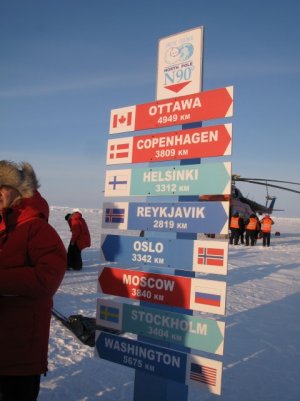
    the North Pole“Where does the wind blow from when you stand at the North Pole? From the South!”

    Our expedition to the Arctic now has first-hand experience of this since the beginning of April. In the early morning hours, reckoned by our Finnish watches, the sun shone in a clear sky and it was almost 30 degrees below zero.

    The flat, bright ice field around us was immense. Our biggest surprise was the thickness of the sea ice. Almost all of us presumed that the long-term ice would be very thick, but drilling showed that at 1.2 meters it was no thicker than the ice on which people typically go ice fishing. Although the sea ice is level on the surface, it is far from being equally thick everywhere.

    Moreover, the open leads that we also discovered on our trip were evidence of the progress of climate change. Forecasts of the year when this polar area will be completely free of ice for part of the year vary from 2030 to 2050. The earlier estimate may be closer to the truth, but predicting changes in the Arctic has already proved problematic.

    Our trip to the North Pole was the third expedition arranged by the Russian Security Council. In summer 2011 we took the Northern Sea Route from Nenetsia to Yakutia on a nuclear icebreaker, and in spring 2012 we visited Franz Josef Land.

    Invited participants have all been members of the Senior Arctic Officials committee of the Arctic Council. The composition of delegations has otherwise varied according to the themes discussed.

    Our most recent trip took us from Moscow to Salekhard, the capital of the Yamal Peninsula, where we boarded Antonov-72 aircraft to reach the Nagurskoye frontier guard station on Franz Josef Land and change into polar gear. This was followed by another air transfer to the Barneo Research Camp on the polar ice, from which we covered the remaining hundred kilometers to the North Pole by MI-8 helicopter.

    The revised Arctic strategy of Russia assigns pivotal status to Arctic areas. The population of the region is low. North of the 60th parallel it is about the same as that of Finland (5.3 million), but the Russian Arctic provides 91 per cent of the country’s natural gas and 43 per cent of its oil production. Considering the findings of the Russian Academy of Sciences that the national wealth of Russia is based on energy and mineral resources (about 88 per cent) and on forests (about 9 per cent), it is easy to grasp the strategic meaning of Northern Russia.

    Russian oil and gas production is nowadays largely concentrated on the Yamal Peninsula. This is the location of Gazprom’s modern Bovanenkovo gas field, which also supplies natural gas to Finland and the Baltic countries. There is a general look of affluence in Salekhard, the regional capital of the area: everything is new, big and clean in this city of almost 100,000 inhabitants.

    President Vladimir Putin is arranging an Arctic forum in Salekhard this autumn, and has invited President Sauli Niinistö of Finland and other Heads of State to attend discussions focusing on environmental issues. Already at his first Arctic forum in Moscow 2010 Putin delivered a strong speech on what needs to be done to solve the environmental problems of his country. During our Polar expedition we heard that measures have especially been taken to remove hazardous waste from Franz Josef Land and Novaya Zemlya.
    the North PoleRussia’s Arctic energy production has so far been land-based, though it has been announced that the Prirazlomnaya offshore oil platform will soon come on stream. The Yamal Peninsula is home to indigenous populations such as the Nenets, for whom reindeer herding is an important livelihood.

    The Arctic Centre of the University of Lapland has been engaged for several years in research co-operation on the peninsula, seeking to promote the compatibility of energy production and traditional Nenets livelihoods (this includes planning pipelines to avoid disrupting reindeer migration routes). Indeed, Governor Kobylkin from the Yamal autonomous district addressed us warmly and at length about the indigenous peoples and how the position of their representative body, the RAIPON association, was threatened last winter. We also learned that this problem has now been resolved.

    The Northern Sea Route is opening up, and so are the policies of Russia. Forecasts of how soon the ice on the passage will melt have regularly been surpassed in recent years, and the route will indeed soon become a cost-effective alternative. Last year some 1.2 million tons of goods were transported on 46 ships using the Northern Sea Route, with early figures suggesting a manifold increase in volume in the navigation period that began in June.

    This traffic has so far been conducted on a trial basis, and has chiefly comprised shipments of oil, gas and extracted minerals. The approach has been more cautious for goods freighters on stricter schedules. This is nevertheless about to change as, for example, the major Danish container shipping company Maersk has announced that one fifth of its Suez traffic will move to the Northern Sea Route in future. This also poses a challenge for Russia, which is not yet fully prepared to meet the increasing demand. The country’s icebreaker fleet is beginning to be outdated, and there is an urgent need for new icebreakers and other vessels that are fit for icy conditions.

    The infrastructure as a whole requires considerable investment (harbours, charting of routes, navigation equipment, forecasts and observations of weather and ice conditions, satellite and other telecommunication links). At the same time the regulations, control systems and tariffs governing traffic on the route must be clearly specified.

    The various needs associated with the Northern Sea Route are well known in Russia. Putin’s new strategy tackles these needs, and new legislation has been adopted, including the founding of an administrative centre for the Northern Sea Route in Moscow. However, Russia will not be able to meet all of these challenges alone – at least not within the constantly changing schedule. This provides major opportunities for Finnish Arctic expertise. The Arctic partnership launched a few years ago between Finland and Russia provides enterprises and institutions with a flexible framework for concrete co-operation, and indeed the Northern Sea Route was the principal focus of the last partnership meeting held in Oulu. This discussion was continued in June at a partnership seminar in Archangel.

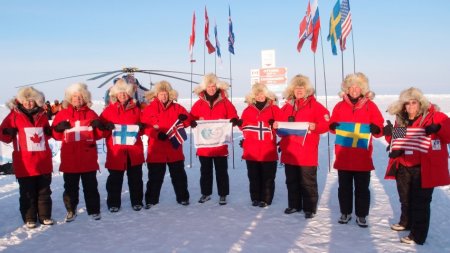
    Russia had invited representatives from the eight member states of the Arctic Council (the Nordic countries, Canada, the USA and Russia) to participate in the expedition to the North Pole. A greeting from President Putin to the Salekhard conference affirmed that the expedition also sought to consolidate co-operation between the member states of the Council.

    All of the governments of the member states and the representatives of indigenous peoples are agreed on the desirability of consolidating the Council, and Finland has also joined with Russia in proposing that the Council be acknowledged as a sovereign international organization. However, there is no agreement on the role of external stakeholders. Finland’s position reflects the view that Arcticness is a regional issue that nevertheless has significant global dimensions (climate change, transport routes, fisheries, etc.). We regard the granting of observer status to countries and organizations that fulfill the council’s criteria and show a well-grounded interest in the region as an essential aspect of strengthening the Council, and we consider it especially important to grant observer status to the European Commission. This is a subject on which the Arctic Council’s meeting in Kiruna achieved a good solution.

    Our expedition was accompanied by President Putin’s special representative Artur Chilingarov, who bears the title of Hero of the Soviet Union and Hero of Russia and is a member of the Federal Council. Chilingarov is internationally renowned especially for his 2007 dive in a Finnish-made MIR-1 submersible to plant a Russian flag on the Arctic Ocean seabed near the North Pole. And indeed before even setting out we also agreed the details governing use of the flags of the Arctic Council and its member states regarding such aspects as size, order and display. For a few sunny hours after midnight the Arctic Council flew its flag to celebrate its “conquest” of the North Pole – before the southerly wind swept away all traces of our visit.

    Hannu Halinen
    Arctic Ambassador
    Finnish representative on the Senior Arctic Officials committee
  • Arctic Circle now FREE of charge

    Arctic Circle now FREE of charge

    Arctic Circle

    We are pleased to announce further collaboration between the Arctic Energy Summit and the Arctic Circle. Anyone that is registered for the 2013 Arctic Energy Summit will also be able to attend the inaugural Arctic Circle that will be held 12-14 October in Reykjavik, Iceland FREE OF CHARGE.

    To find out more about the Arctic Circle, explore their website at www.ArcticCircle.org and watch the promotional video at http://vimeo.com/72587962.

    If you are interested in attending the Arctic Circle, please email or call Geoff Cooper at gcooper@institutenorth.org or 1(907) 786-4663 so that we can let the Arctic Circle organizers know.

    If you have already paid to attend the Arctic Circle, please contact the event organizers by email at info@ArcticCircle.org. If you have not yet registered for the Arctic Energy Summit, you can register now and check the box for free registration to the Arctic Circle.

    We also want to remind you about the optional energy tour that will take place on 11 October. This exciting tour will visit several of Iceland’s remarkable energy developments while traveling from the site of the Arctic Energy Summit in Akureyri to Reykjavik where the Arctic Circle will begin the following day. For more information, please see the details and online registration here.

    SOURCES

    Arctic Circle

    Arctic Energy Summit

  • Cairn Energy plans to drill in Greenland

    Cairn Energy plans to drill in Greenland

    arctic landscape

    Cairn Energy, one of Europe´s leading independent oil and gas exploration and development companies, has revealed their long term plans for exploration drilling programme, which may involve in resuming activity off Greenland.

    If the company goes ahead with their plans of exploration and exploitation in Greenland, it could mean that they resume drilling operations in the Pitu field by the second half of next year.

    To date, the Edinburgh-based explorer’s drilling programme off Greenland has not been fruitful and had been widely criticized by environmentalists.

    In the firm’s latest half-yearly report it raised its total programme target to an accumulative figure of over four million barrels.

    Chief Executive Simon Thomson explained that the company will commence a year-long multi-well frontier exploration programme as of September that will give shareholders ongoing exposure to the potential for material growth.

    Cairn’s current inventory is made up of 144 leads and 62 prospects in the frontier basins off Morocco, Mauritania, Senegal, Spain, Ireland and Greenland, and the more mature Norwegian Continental Shelf and UK and Norwegian North Sea.

    SOURCES

    Ice News

    See also:

    Arctic Portal Library

    Arctic Portal Mapping System

  • Arctic Energy Summit coming soon

    Arctic Energy Summit coming soon

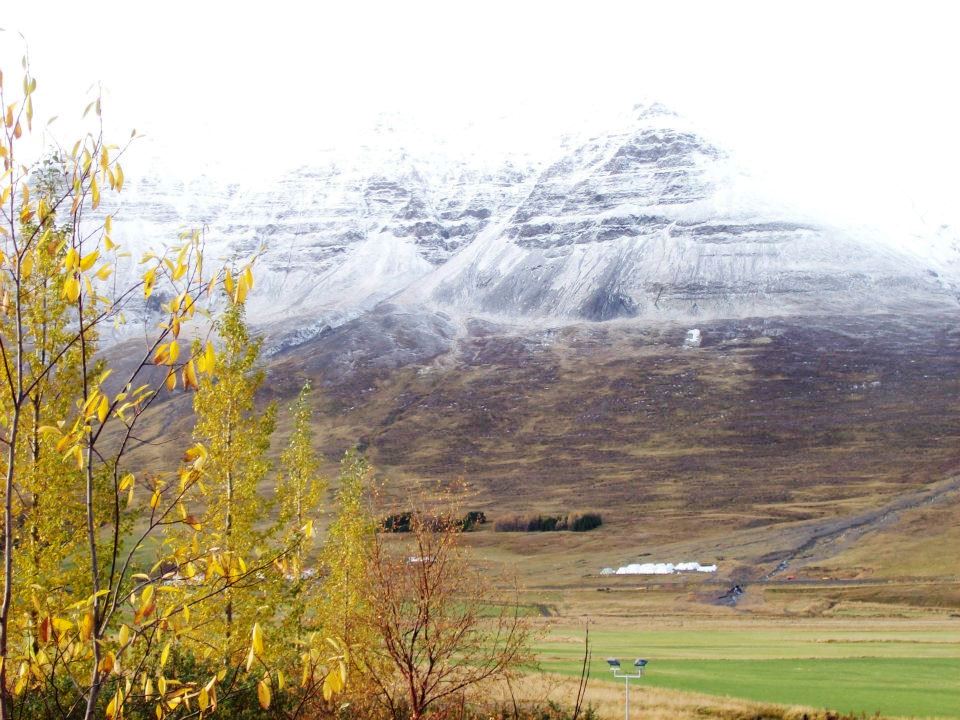
    Autumn in Akureyri

    The Arctic is sometimes described as the last frontier in the development of energy resources.

    The Institute of the North’s Arctic Energy Summit will explore energy as a fundamental element of the sustainable development of the Arctic as a lasting frontier.

    Central to this concept is how a focus on richness, resilience and responsibility will provide a pathway for sustainable energy development in the Arctic and for Arctic communities.

    The 2013 Arctic Energy Summit is a multi-disciplinary event expected to draw several hundred industry officials, scientists, academics, policy makers, energy professionals and community leaders together to collaborate and share leading approaches on Arctic energy issues.

    The 2013 Summit will address energy extraction, production and transmission in the Arctic as it relates to three thematic areas and key questions, including richness, resilience, and responsibility.

    Keynote speakers will include Mr Aqqaluk Lynge, representative of Alaskan Inuit, Mr David Garman, former Under Secretary of Energy at the U.S. Department of Energy and Mr. Christopher R. Sauer who is President and CEO and a founding member of Ocean Renewable Power Company.

    Arctic Energy Summit 2013 will become gathering for media representatives from all over the world in order to raise the awareness about current energy – related issues in changing Arctic.

    Watch and share introductory video prepared by Akureyri reginal TV station N4.

    Beautiful town of Akureyri, located in the northern Iceland is a center of culture, leisure and education. With a population of about 18 000, the town is by far the largest outside the Reykjavik capital area.

    Conference organizers still welcome participants to register for the event. More information can be found on the Conference Website.

    Sources

    Arctic Energy Summit 2013

    See also:

    Arctic Portal Library

    Arctic Portal Mapping System