Blog

  • Polar Law and Major Developments

    Polar Law and Major Developments

    Dr. Natalia Loukacheva, the first Fridtjof Nansen Professor of Arctic Studies

    Today, 12th of February the occasional Law Forum takes place at the University of Akureyri. The lecture: Polar Law and Major Developments, starts at 12.00 and will be given by Dr. Natalia Loukacheva, the first Fridtjof Nansen Professor of Arctic Studies.

    Recent Polar law developments have been sharpened by the magnitude of the changes occurring in both Polar Regions and across the globe. ´Polar law intersects with other areas and, arguably, its development is significantly influenced by global and many geo-political trends.´ This lecture aims to look at some of those changes, trends and developments and will draw on Polar law as an evolving area of study which is in the process of gaining increased recognition and significance at the academic level and in international forum.

    Dr. Natalia Loukacheva is the first Fridtjof Nansen Professor of Arctic Studies, University of Akureyri, (Iceland-Norway initiative). She is also a Research Associate at the Munk School of Global Affairs, University of Toronto, Adjunct Professor at Osgoode Hall Law School, LL.M. program on energy and infrastructure, York University, a Research Fellow with the Canadian Defence and Foreign Affairs Institute, a Visiting Professor of Polar Law, and Associate Scientist with Stefansson Arctic Institute. She was the first Director of the Polar Law Program and taught polar law at the University of Akureyri (2008-10). She holds a Dr. of Juridical Science (S.J.D.) from the Faculty of Law, University of Toronto (Canada) (2004) and a Dr. of Philosophy (law) from the Urals State Law Academy (Yekaterinburg, Russian Federation) (1999).

    Dr. Loukacheva specializes in international and comparative constitutional law, with research interest in the Arctic. She is the author of The Arctic Promise: Legal and Political Autonomy of Greenland and Nunavut (University of Toronto Press, Canada: 2007), the editor of the Polar Law Textbook (Nordic Council of Ministers (NCM), TemaNord 538, Denmark: 2010, the editor of the Polar Law Textbook II, ( NCM, TemaNord, 2013), special editor of the Yearbook of Polar Law, Vol. 2, 2010 (Martinus Nijhoff Publ., and guest editor of the Arctic Review on Law and Politics, No. 2, 2012 (Gyldendal Akademisk Publ.

    Since 2012 she also has served as an Associate editor of the Arctic Review on Law and Politics. She chairs an Int´l Thematic Network group on Legal Issues in the Arctic of the Northern Research Forum and Arctic Governance sub-group of the Arctic Law Thematic Network of the University of the Arctic.

    She is actively involved in numerous Arctic and Polar law related activities and projects, conducts legal and multi-disciplinary research, field-work, teaching, editing, reviewing, consulting and organizing various Arctic related events, and has been speaking/presenting and advocating on Arctic and Polar law related topics since 1996. She is the author of numerous publications on legal and political issues in the Arctic, Indigenous Peoples’ rights and governance in the North.

    The lecture is open for the public.

    Source

    University of Akureyri

  • Arctic Energy Summit in Akureyri 2013

    Arctic Energy Summit in Akureyri 2013

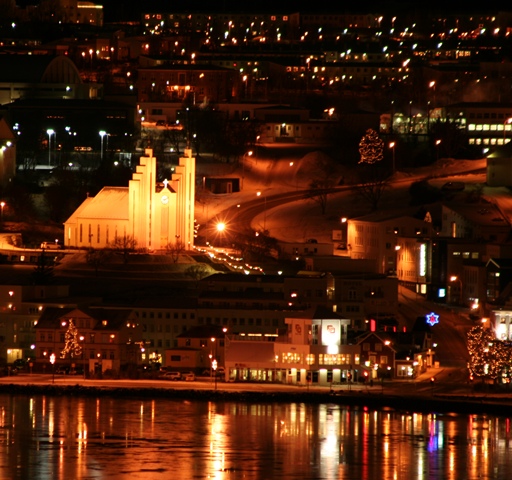
    The Church of Akureyri

    The Arctic is sometimes described as the last frontier in the development of energy resources. The Institute of the North’s Arctic Energy Summit will explore energy as a fundamental element of the sustainable development of the Arctic as a lasting frontier. Central to this concept is how  a focus on richness, resilience and responsibility will provide a pathway for sustainable energy development in the Arctic.

    The Arctic’s energy resources – from oil and gas development to renewable resources such as geothermal, wind, hydro and tidal energy – have received increased attention. There has been little corresponding appreciation for how Arctic communities use energy resources and benefit from production of and access to affordable, accessible energy.

    Building on the work done at the highly successful 2007 Arctic Energy Summit and Technology Conference, the 2013 Summit will address energy extraction, production and transmission in the Arctic as it relates to three thematic areas: richness, resilience and responsibility.

    The interactive conference format will include:

    • Keynote speeches
    • Workshops
    • Panel discussions
    • Paper presentations

    This interdisciplinary forum is for scholars, energy industry officials, scientists, academics, policy makers, energy professionals and community leaders who share an interest in—and concern for— sustainable development of the Arctic and its energy resources. To register, or for more

    We welcome submissions that directly address the conference theme, and add substantively to the discussion of one or more of the following questions:

    Richness
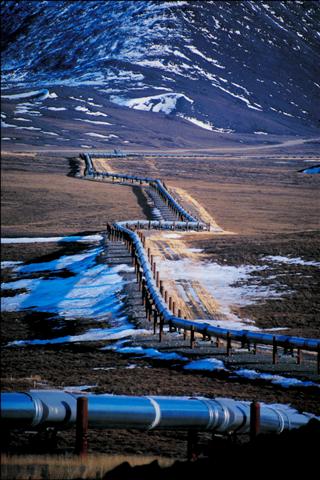
    hot water pipes

    The USGS estimates that more than a quarter of the world’s yet-to-be-discovered oil and gas is in the Arctic. At the same time, geothermal, wind, tidal and hydro resources have the potential to lower the cost of living for northern communities and significantly impact domestic markets.

    • What does this supply of resources mean for the prosperity of northern peoples?
    • What new energy resources are being explored for or developed in the Arctic?
    • How are northern communities enhancing their resource wealth with value-added activities?
    • What role do impact benefit agreements, sovereign wealth funds and other revenue distribution mechanisms play in enhancing national, state, community or tribal prosperity when energy projects are being developed?
    • How is resource wealth used to develop sustainable energy systems for local use?

    Resilience

    Adaptability is critical in the Arctic – peoples of the North have been managing change for millennia. Northern peoples and the environment must respond to rapid shifts in their natural and built environment. The companies doing business in the Arctic must also be innovative and responsive to changing political and environmental landscapes. New technology is guiding development of previously unreachable renewable and extractive energy resources and new shipping routes are ensuring that they can be moved to markets.

    • What strategies are necessary for building social and ecological resilience?
    • How do northern peoples maintain their rich cultures in times of immense economic and environmental change?
    • What risks to resilience does the Arctic face in a time of rapid change and development?
    • What resilience strategies developed for other remote areas can be adapted to the Arctic?
    • How can the built environment in northern communities contribute to community resilience?
    • How does new technology increase the lifespan of northern energy systems and extraction projects?
    • How do nations and communities build resilience in the face of fluctuating energy prices?
    • What technologies are making current resource development possible? What is needed to induce research and development of new technology?
    • How does public policy incentivize investment in the infrastructure and technology needed for further resource development?

    Responsibility

    There are many actors in the Arctic, and an even greater number of different perspectives about each stakeholder’s rights and responsibilities. Of particular significance is how roles shift relative to local, national and international decision-making levels. Geographic scale, too, plays a critical part in defining responsibility.

    • To what degree should Arctic energy resources be developed to meet a global demand?
    • How do we approach energy development that meets the needs of the world, the environment, the people and a company’s bottom line?
    • How does the world’s demand for energy resources influence public policy or create pressure to develop these resources in Arctic nations?
    • Whose responsibility is oil spill prevention and response and how do we incorporate local, private and public assets? How do recent Arctic Council Agreements impact energy development?
    • How can policy-making respond to different levels of concern and management capacity?
    • What does corporate social responsibility mean for the energy industry in the Arctic?
    • Which responsibilities are shared and what is the best way to reach agreement on those?

    TYPES OF SUBMISSIONS ACCEPTED
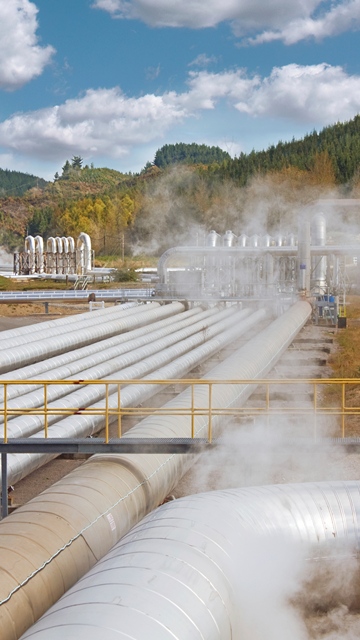
    Geothermal energy

    Abstracts may be submitted for any of the following:

    Paper Presentations
    Paper presentations will each be scheduled for a 15minutes presentation with 5 minutes for questions. Paper presentations can meet any one of the following formats:
    – Original Research: has not been presented or published prior to this conference.

    – Work in Progress: describe early research and novel skeleton ideas in the areas of the conference topics.

    – New Ideas: dedicated to new ideas in their early stage. Contributions might refer to PhD dissertation, testing new approaches, provocative and innovative ideas, out-of-the-box, and out-of-the-book thinking that is related to conference topics. A “New Idea”contribution must be comprehensive, focused, and very well supported.

    Accepted papers will receive further instructions for submission of full manuscripts and slide decks. Full submissions will be due on August 15th, 2013. At least one author of each paper presentation is required to register for the conference following acceptance of the paper.

    For more information contact Iris Matthews at aen@institutenorth.org.

    Panel proposals

    The organizers encourage scientists and industry leaders to contact them with their ideas to organize dedicated panels dealing with controversial and challenging topics and paradigms. Invited panel leaders must include in their abstracts: their background, panelist names, their affiliation, the topic of the panel, as well as short biographies of the proposed panelists.

    The conference organizers will work with closely with panel organizers on the final structure of all panels. For more information, or to discuss a preliminary idea for a panel discussion, contact Iris Matthews at aen@institutenorth.org.

    Workshop proposals
    The organizers also encourage those interested in hosting a workshop on issues complementary to the topics of this conference to contact them with their ideas. The proposed workshop format should be interactive in nature, and designed to engage participants in more deeply thinking and discussing a topic. Organizers encourage a format that includes presentation of an issue or challenge and encourages solution-oriented thinking. Workshop sessions will be given three hour blocks. Abstracts should include workshop organizers names, their affiliation, the topic of the workshop, motivation and rationale for the workshop, as well as short biographies of the proposed speakers and/or moderators for the workshop, as well as intended outcomes from the workshop session.

    The conference organizers will work with closely with workshop organizers on the final structure of all workshops. For more information, or to discuss a preliminary idea for a workshop proposal, contact Iris Matthews at aen@institutenorth.org.

    Poster Session
    Submissions are also being accepted for poster presentations. There will be a designated poster sessions where presenters will have the opportunity to present their posters. The poster session is a good fit for ongoing research projects, case studies and or other technical innovations, and applications, as well as other topics related to the conference themes. The project or theme to be presented should be outlined in the abstract submission. Posters should not be previously published or a previous poster.

    For more information contact Iris Matthews at aen@institutenorth.org.

    HOW TO SUBMIT AN ABSTRACT

    (Photo: GettyImages)

    Abstracts for paper presentations, session proposals, workshop proposals and poster sessions should be submitted to Iris Matthews via email at aen@institutenorth.org by April 15th , 2013.

    Submissions should be no more than 2 pages long and should be ANSI A (8.5 X 11 in.) or ISO A4 (210 X 297 mm) with margins of 1 in or 2.5 cm on all edges and font size not less than 10 pt. The abstract must be converted to Adobe PDF or Microsoft Word format and submitted as an attachment to email. The following information must be included in the abstract submission:

    • Name, mailing address, phone and e-mail of the first author/presenter;
    • Names and affiliations of the co-authors or co-presenters;
    • Complete contact information of the corresponding author if other than the first author;
    • Assignment of abstract category based on the topics that are provided: workshop proposal, session proposal, poster presentation or paper presentation: academic, work in progress or new idea.
    • Short Description: A short summary of the main idea of your proposal. No longer than one paragraph. This will appear in the conference program if the abstract is accepted.
    • Summary of proposal: A synopsis of the paper, panel, workshop or poster to be presented on.

    All submissions must be original, and not have been previously published or presented on. Conference registration is required of all who have an abstract accepted. Please contact iris Matthews at aen@institutenorth.org or 907-440-6418 with any questions.

    IMPORTANT DATES
    2013.04.15 Responses to Call for Papers Deadline
    2013.05.15 Notifications of Acceptance/Denial
    2013.06.30 Early Bird Registration Deadline
    2013.08.15 Final Papers/Presentations Due
    2013.10.08-10 Arctic Energy Summit

    To register, or for more information visit: www.institutenorth.org/arcticenergysummit

  • Iceland and Norway advertise funds

    Iceland and Norway advertise funds

    Ducks swimming in Reykjavík pond

    The foreign ministries of Iceland and Norway have established two funds as a part of their cooperation in the field of Arctic studies and Arctic scientific research.

    The ministers of foreign affairs signed a three year Memorandum of Understanding in Akureyri on September 29, 2011, concerning co-operation. It indicated key activities, including the establishment of a Nansen Professorship in Arctic Studies at the University of Akureyri, Norwegian and Icelandic Arctic Science Cooperation Fund and Exchange scholarships for Icelandic and Norwegian Students in Arctic Studies.

    Exchange scholarships for Icelandic and Norwegian Students in Arctic Studies are one of the key activities in this co-operation. The purpose of the exchange scholarship program is to encourage the exchange of students between higher education institutions in Norway and Iceland in the field of Arctic science.

    Students at all levels (bachelor, master, doctoral) can apply if they are enrolled at Icelandic and Norwegian higher educational institutions. Priority will be given to Master and Ph.D. students and students wishing to study at Norwegian and Icelandic universities that are members of the University of the Arctic network.

    The purpose of the science fund is to encourage scientific cooperation between higher education institutions, research organizations and research groups in Norway and Iceland in the field of Arctic science or other activities as decided by the joint Icelandic-Norwegian Committee. Grants are awarded for travel and accommodation cost in relation to the participation of individuals or groups in scientific conferences and/or joint meetings in Norway and Iceland. In this context Arctic science encompasses research, monitoring, education and dissemination of knowledge that relate to both distinctive and common denominators of nature, culture, economy and history of the Arctic region with a bilateral and/or international perspective.

    More information can be found here.

    Sources

    Arctic Studies

    Foreign Ministry of Norway

    Foreign Ministry of Iceland

  • Nominations for Antarctica prize open

    Nominations for Antarctica prize open

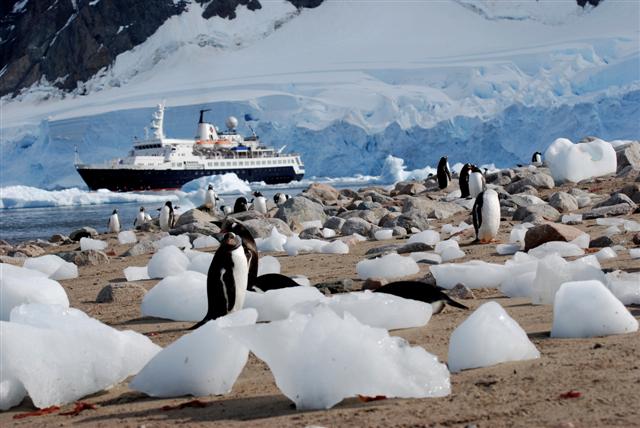
    Penguins in Antarctica

    Nominations for a prestigious prize for Science and Policy in Antarctica are now open.

    The “Martha T. Muse Prize for Science and Policy in Antarctica” is a US$ 100,000 unrestricted award presented to an individual in the fields of Antarctic science or policy who has demonstrated potential for sustained and significant contributions that will enhance the understanding and/or preservation of Antarctica.

    The Prize is inspired by Martha T. Muse’s passion for Antarctica and is intended to be a legacy of the International Polar Year 2007-2008.

    The prize-winner can be from any country and work in any field of Antarctic science or policy. The goal is to provide recognition of the important work being done by the individual and to call attention to the significance of understanding Antarctica in a time of change.

    A website with further details, including the process of nomination, closing date and selection of the Prize recipients is available at www.museprize.org.

    The Prize is awarded by the Tinker Foundation and administered by the Scientific Committee on Antarctic Research (SCAR).

    Source

    Muse Prize

  • Climate conference seeks abstracts

    Climate conference seeks abstracts

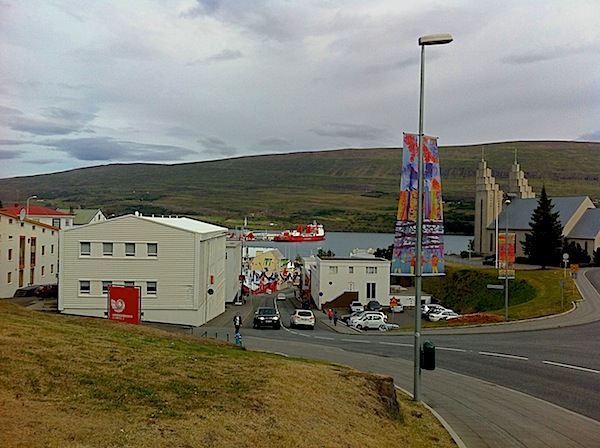
    Downtown Akureyri

    The conference Climate Change in Northern Territories is calling for abstracts. The conference is held in Akureyri, Iceland, in august. The ESPON/ENECON and NRF Open Assembly organize the conference, hosted by the University of Akureyri.

    This is the 2nd call for abstracts for general participation and young researchers. The deadline for submission is the 28th of February, but for young researchers the deadline is 15th of March. The abstracts are to be submitted to nrf@unak.is.

    Further information for young researchers.

    The idea is that this conference will bring together researchers which have similar background but have been focusing on different problems and situations and applied different methodological approaches. Regional and local stakeholders as well as state politicians and policymakers are also target groups for the conference.

    Subthemes are:

    • Territorial socio – economic impacts of climate change
    • Methodologies for assessing socio-economic impact
    • Adaptation to climate change in regions and local communities – examining methods and sharing knowledge

    You will find more information concerning the central theme here.

    Source

    NRF

  • Arctic Frontiers 2013 – Final Remarks

    Arctic Frontiers 2013 – Final Remarks

    Arctic Frontiers

    The increase in human activity in the Arctic region, which is driven by the ever increasing demand for decreasing stocks of natural resources (mineral as well as hydrocarbons), has led to a rise in the need for improved management, monitoring and surveillance of the region.

    The weather conditions may change quickly and dangerously, while the presence of the sea ice poses a risk to ships. For those reasons, the need for frequently updated information has increased.

    Arctic Frontiers has been yearly organized as an independent network and leading meeting place for pan Arctic issues. This year’s Arctic Frontiers took place 20th – 25th January in Tromso, located in the northern part of Norway.

    This year’s event collected close to 150 speakers from variety of countries. The audience accounted close to 2 000 people from various Arctic states and different fields of expertise. Both groups were largely supported by 35 journalists from 15 different countries. This number does not include the many local Norwegian media.

    Leona Aglukkaq, Minister of Health and the Canadian Northern Economic Development presents during the policy sessionFirst two days were occupied by the policy section titled: Geopolitics and Marine Production in a changing Arctic”. This year’s policy session gathered speakers from the eight Arctic countries bringing up issues from charring and managing the Arctic Council, fisheries, oil and gas exploitation and the right and responsibility of the Arctic peoples to manage their territories to the role of armed forces in the Arctic.

    Non-Arctic states were also well represented. The policy session welcomed speeches from the Ambassadors of China and South-Korea as well as from the EU Commissioner for Marine Affairs and Fisheries , while the science section’s geopolitics session expanded the Asian representation to cover diverse range of issues regarding Japans, South-Koreas, Singapore and India’s interests in the Arctic.

    Non – Arctic states, together with the representatives of the Arctic, came up with new principles of how to manage, explore and develop the Arctic in the light of an on – coming change.

    Today the Arctic Region is an emerging energy and mineral province, with the extraction of natural resources projected to increase dramatically in the coming years to decades. New industrial activities, a changing business community and demographic dynamics are to alter the established social and economic structures in several regions of the Arctic.

    In short it can be said, that the non-Arctic countries call for an open and inclusive trans-regional dialogue and resource management and inclusive observer policies for the Arctic Council. In their view, the Arctic is not isolated region within the global economic and resource community, but a part of a global system that should be governed by and benefit all countries in the world.

    It occurred evident that the interest towards the Arctic is growing and southern countries have started to grow increasing interest on the emerging opportunities in the Arctic.

    In addition to the two day policy section, the Frontiers had a comprehensive science section concentrating this year on the above mentioned geopolitics, marine harvest and marine production.

    Speakers during the science sessionThe science section addressed mainly the issues of security, energy and interstate relations in the Arctic. Overall, it identified conditions of continued stability in light of new developments in the northern hemisphere.

    A warming Arctic Region with less ice may involve opportunities in terms of economic activity and increased interstate cooperation, but may also present the Arctic stakeholders with new challenges in terms of how best to meet their interests and at the same time interact with the other stakeholders through mutually beneficiary relations.

    The Arctic potential to become a new, thriving energy region was strongly highlighted during first days of the policy session.

    The circumpolar North holds large quantities of natural gas and oil, both discovered resources and estimated ones. Northern Russia has the largest known reserves of natural gas in the Arctic, but it can also be found in other regions such as Norway, Canada and Alaska.

    Last day of the science session welcomed representatives of non – Arctic states, such as Asian and European states that do not border the region. Those countries and organizations have been increasingly opening their eyes into the changing North. The speakers tried to answer the questions of does their interest consist of and what is their policy towards the Arctic Region.

    The Arctic region has many faces. Historically it has been veiled by an aura of mystique, a frozen wonderland untouched both by the outside and the effects of industrialization, populated by a mysterious group of people from a different phase in the history of man. As interesting and romantic this notion may seem, it holds little or no truth in the Arctic today.

    Happy participants during the coffee breakThe Arctic is literally on top of the world, the earth rotating around the two poles, in the North and the South. But the Arctic is not just about the North Pole – the Arctic region stretches much further in all directions, even splitting the earth into the East and the West, famous identities in the world history.
    This year’s Arctic Frontiers highlighted that the Arctic is not only a historical and cultural region but also a potential for commercial and industrial activities. The meeting showed that the Arctic should be looked at as at the mixture of traditional subsistence activities as well as a part of the global market economy.

    Leena & HMM

  • EU Arctic preparatory project

    EU Arctic preparatory project

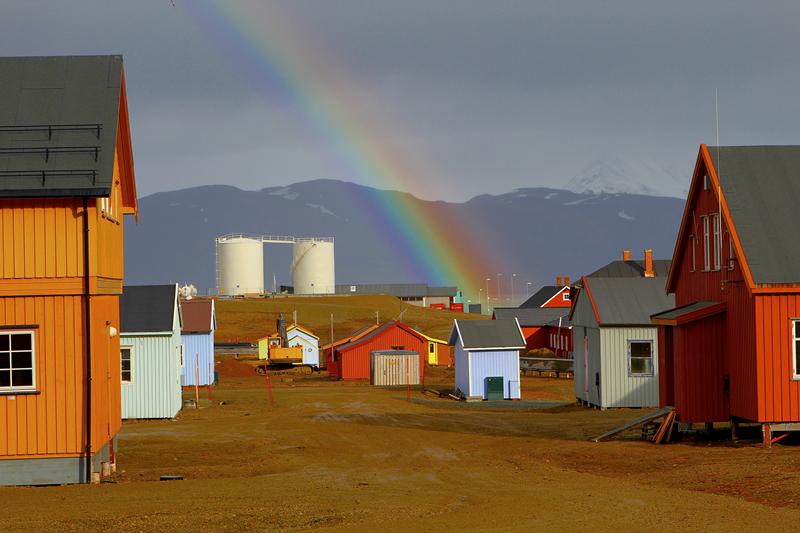
    Ny Alesund in Svalbard

    The European Commission has selected a consortium led by the Arctic Centre, University of Lapland (Rovaniemi, Finland) to carry out an one million euro project* to produce a “Strategic Environmental Impact Assessment of development of the Arctic”. The project will last eighteen months during 2013–2014.

    The consortium known as the EU Arctic Information Centre Initiative comprises an international network of currently 19 leading Arctic research and outreach institutions from the various European Union member states, and the EEA countries.

    Arctic Portal is a partner in the project.

    The preparatory project is a first step to strengthen communication and outreach within the EU and between the EU and the Arctic community about the contribution the EU is making to address environmental and other issues raised by the rapid development of the Arctic region as a result of economic and climate change.

    It provides a platform to test the effectiveness, functionality and sustainability of the proposal by the consortium to establish an EU Arctic Information Centre. The proposed EU Arctic Information Centre would aim to facilitate information exchange between the EU institutions, Arctic stakeholders and the general public.
    The possibility of the EU Arctic Information Centre has been expressed in various EU Commission, Council and Parliament Arctic papers since 2008. The Arctic Centre at the University of Lapland made a concrete initiative of the network model in 2009.

    The project will also enhance the use of impact assessment and its importance as a tool and a channel to put together information for the use of decision- and policy-makers and the related legal processes.

    “The key idea of the Preparatory Action project is to create an efficient application of science-based information and its fulfillment with views and perspectives of stakeholders both inside and outside of the Arctic”, says Director of the Arctic Centre, Professor Paula Kankaanpää.

    To deliver that, the main activities are organized within four work packages:

    1. EU Arctic Information Centre feasibility study
    2. Impact assessment process
    3. Outreach & communication
    4. Project management

    According to Finnish Arctic Ambassador Hannu Halinen, “The ultimate vision is to contribute to the sustainable development of the Arctic by creating an active pan-European network of institutions that represents a substantial Arctic knowledge base. Rapid development of the Arctic, together with complicated political, socio-economic and environmental processes, will demand an effective use of science-based information and pro-active work by relevant communication and research centers to guide the decision- and policy-makers to swift and coherent actions”.

    Mr Jaime Reynolds who coordinates Arctic issues for the Directorate-General for the Environment within European Commission notes: “The project does not constitute the launch of an EU Arctic Information Centre itself; however the EU Arctic Information Centre Feasibility Study and Impact Assessment processes included will be fundamental for considering decisions about the establishment of the Centre.”
    Arctic Centre of the University of Lapland is seeking for a Senior Impact Assessment Expert in Rovaniemi, Finland to work for the Preparatory Action: “Strategic Environmental Impact Assessment of development of the Arctic” project funded by the European Commission. All information can be found here.

    Sources

    Arctic Centre
    EU Arctic information Centre

  • Oldest animal alive was in Iceland

    Oldest animal alive was in Iceland

    The Ocean quahog

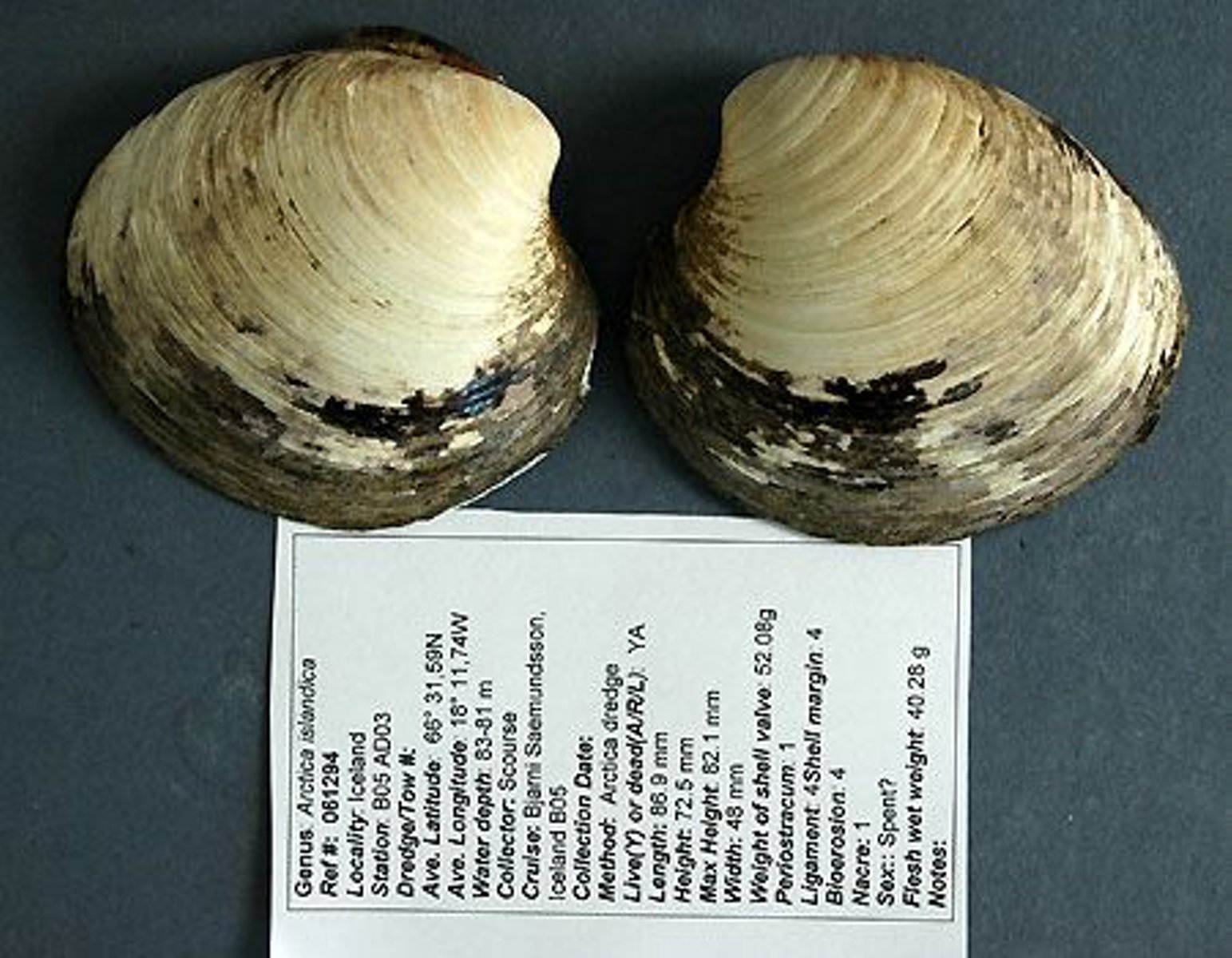
    The oldest animal alive was found in Icelandic waters in 2007. The research ship Bjarni Sæmundsson pulled up a 507 year old Ocean quahog, on the depth of 83 meters just outside of the island Grímsey.

    It was 11cm in diameter and was the oldest animal on earth. It was killed in order to conduct research.

    Renowned Icelandic scientist Haraldur Sigurðsson covers the topics in his website.

    Arctica islandica is quite common around Iceland and is known for reaching high age. It buries itself in sand or clay on the ocean floor and moves very little during its life course.

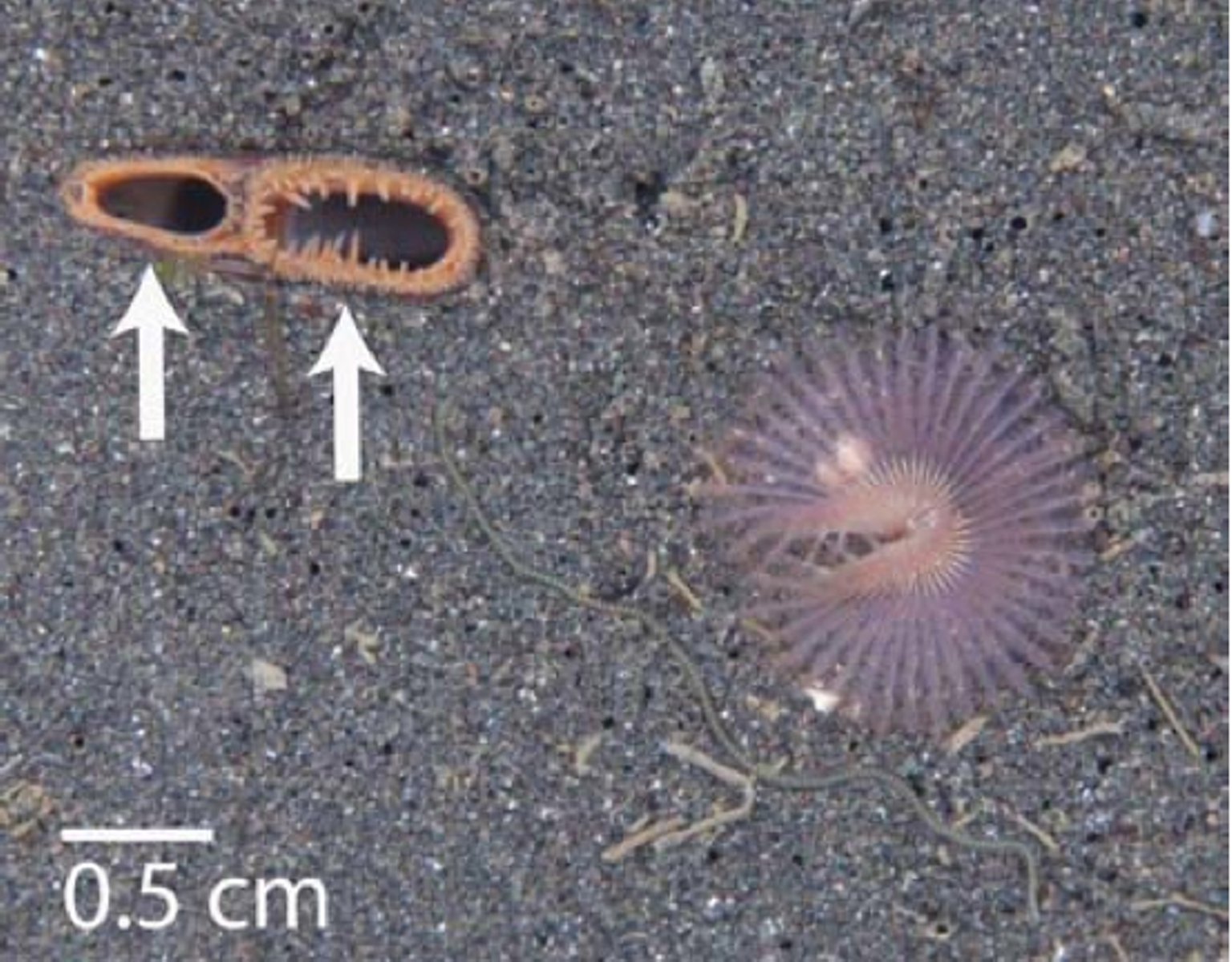
    The second picture shows how the breathing Ocean quahog, breathing sea in the bigger opening, and out the smaller one.

    It grows immensely, for its size, over the summertime but very little over the winter. That leaves age markings on its shell, just like on trees.

    Ocean quahog is widespread around the world; it is common for aquaculture and is fished in USA for example, around 20 thousand tons per year. The annual catch around the world is thought to be around 150 thousand tons.

    Ocean quahog breathing

    The finding gained recognition at the time, amongst scientist around the world, especially from Britain and Germany.

    Sources

    Haraldur Sigurðsson

    Ocean quahog on Vistey

  • Science Section begins today!

    Science Section begins today!

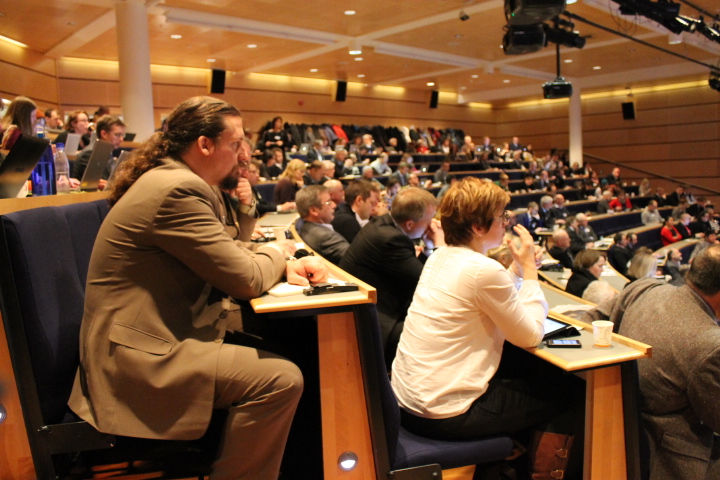
    The audience during science session at Arctic Frontiers 2013

    After 2 days of policy related discussions, the Arctic Frontiers conference that is being held in Tromso, Norway, opens the science section.

    This part will address the issues of security, energy and interstate relations in the Arctic. An overall aim is to identify conditions for continued stability in light of new developments in the region.

    A warming Arctic with less ice may involve opportunities in terms of economic activity and increased interstate cooperation, but it may also present Arctic stakeholders with new challenges in terms of how best to meet their interests and at the same time interact with other stakeholders through mutually beneficiary relations.

    Arctic Frontiers is organised as an independent network and a leading meeting place for pan-arctic issues. The network was established in 2006 and later extended. The science section that start today will end on Friday, 25th of January.

    HMM

  • Development for the People of the North

    Development for the People of the North

    Leona Aglukkaq during her speech

    The overarching theme of the Canadian chairmanship for the Arctic Council will be Development for the People of the North. Upcoming president Leona Aglukkaq declared this in a speech at the Arctic Frontiers conference in Tromsø.

    Canada will have three sub-themes. The first will be Responsible Arctic Resource Development, second is Safe Arctic Shipping and the third one Sustainable Circumpolar Communities.

    Aglukkaq introduced herself at the conference as Canada takes over from Sweden as the Chair of Arctic Council this year. Aglukkaq is a member of the parliament in Canada for Nunavut, growing up in the small community Gjoa Haven.

    “The traditional knowledge and expertise of the people living in the Arctic was crucial to the success of discovering a new frontier for Amundsen. And I believe it will also be the key to the future success of the Arctic Council.”

    “The quickly changing state of the Arctic region will present a new frontier for all of us in the next few years. We will be faced with challenges and opportunities – some will be positive, some perhaps not. But if we are to successfully navigate the future of the Arctic, we must build a bridge between the traditional knowledge of the people who live there, and the new realities of the present.”

    Aglukkaq has already met with Northern Canadians about the Canadian chairmanship and its priorities and since December she has met with all the Arctic Council states.

    “My discussions with my counterparts, members of the business community and representatives of the Sami have been very productive and informative. I heard a clear message during all of my domestic and international consultations: the well-being and prosperity of people living in the North must be at the forefront of Canada’s Arctic Council priorities.”

    Source

    Speech by Leona Aglukkaq