Blog

  • Iceland focused on Arctic research

    Iceland focused on Arctic research

    Halldór Jóhannsson gives overview on IASC.

    Representatives from Icelandic – Arctic organizations, academic institutions and businesses, gathered today at the Icelandic Marine Institute for one day of introduction on Icelandic – Arctic research.

    The event promotes environmental, international research, political, legal and economic cooperation between Iceland and the Arctic nations.

    The event also creates the platform for the discussion about problems and prospects of current development of the Arctic Region.

    Alongside lectures and panel discussions, the Day of the Arctic opens a large scale platform for Arctic related commercial companies to present their northern operations.

    The Day of the Arctic will is organized jointly by the Icelandic – Arctic Cooperation Network, Stefansson Arctic Institute and RANNIS.

    More information about the event is available in Icelandic on the webpage. For any specific inquiries, please contact Thorsteinn Gunnarsson on e – mail or tel: 00354 515 5800.

  • Winter school to take place at N(A)FU

    Winter school to take place at N(A)FU

    MAC

    Northern (Arctic) Federal University announces Winter School “Model Arctic Council” (MAC) to take place February, 25 – 28, 2014 in Arkhangelsk, Russia.

    Northern (Arctic) Federal University invites proactive and creative Master and PhD students to increase their knowledge on the Arctic issues, meet like-minded participants from the other countries and develop their leadership skills. Winter school participant will be given 5 ECTS after the course completion.

    Overall idea of the MAC is to promote scientific Arctic research and strengthen international scientific and educational cooperation between UArctic universities.

    School includes lectures, workshops given by the experts in the field of Arctic policy, and a role-play game which is designed to give a chance to the students to model the work of the Arctic Council, to discuss various problems of the Arctic region and to express their own understanding of the situation.

    Winter school participants will be given 5 ECTS after completion. The deadline for registration is November, 30, 2013.

    More information available here.

    Contact email: mac@narfu.ru

  • Registration for ASSW 2014 is now open

    Registration for ASSW 2014 is now open

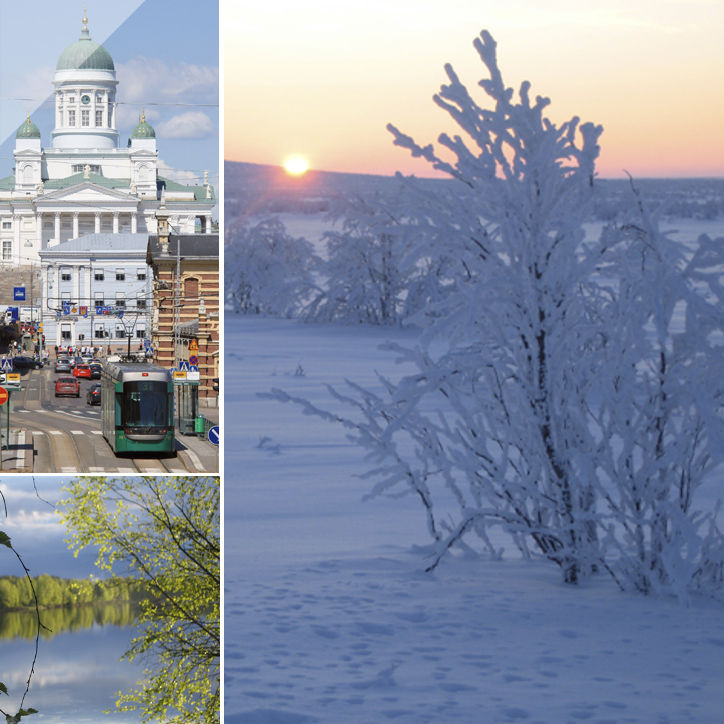
    Arctic Science Summit Week 2014

    The ASSW is the annual gathering of international organizations engaged in supporting and facilitating Arctic research.

    Its purpose is to provide opportunities for international coordination, collaboration and cooperation in all fields of Arctic science and to combine science and management meetings.

    Last year´s ASSW took place in Cracow, Poland and attracted great amount of scientists, academics and policy makers from many different countries.

    This year´s ASSW and AOS meetings will be arranged during April 5-8 and April 9-11 in Helsinki.

    The conferences will be arranged in the facilities of the University of Helsinki and the Finnish Meteorological Institute located on the science campus Kumpula.

  • Mackerel dispute to reach WTO

    Mackerel dispute to reach WTO

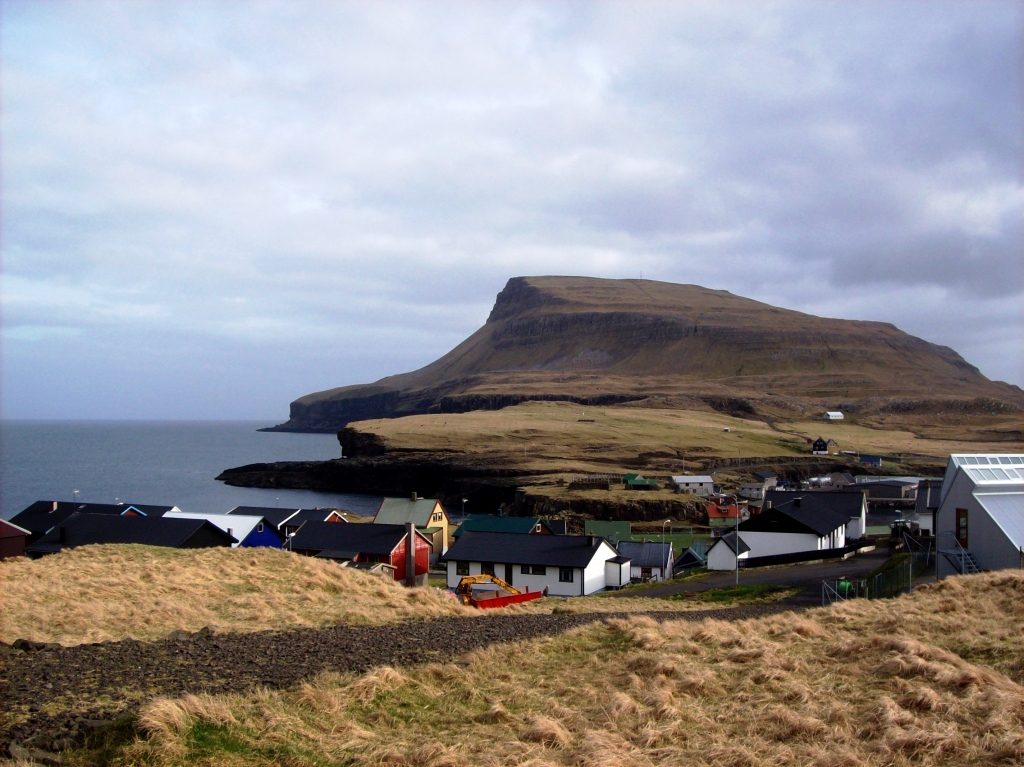
    Fishing community of Nólsoy, 20 km outside of Thorshaven, Faroe Islands

    Last week the government of Faroe Islands decided to launch the fishing restrictions dispute through World Trade Organization (WTO).

    Political representatives of Faroe Islands want to challenge European Union´s (EU) ban on importing Faroese mackerel and herring and restrictions on the island nation´s ships entering EU ports.

    The Prime Minister of Faroe Islands Kaj leo Holm Johannesen said that the EU+s actions are being done against basic provisions of the WTO Agreement.

    It is worth mentioning that EU banned imports from the Faroe Islands in August in an ongoing dispute about alleged over-fishing on the islands’ part, and EU officials warned that they will take similar action against Iceland.

    Atlanto-Scandian herring stock was controlled jointly by Iceland, the Faroe Islands, Norway, Russia and the EU until this year. The Faroese claim the herring stock allocation is an issue for on-going negotiations between the five states.

    The Faroese state that the EU has not accepted its 105,230-tonne catch limit, and wants it reduced to 31,000 tonnes.

    This is the first WTO dispute the island group has been involved in. the EU now has 60 days to resolve the dispute. If it fails to do so, the Faroese could request that the WTO adjudicates.

    Source: IceNews
  • New application round for ULapland

    New application round for ULapland

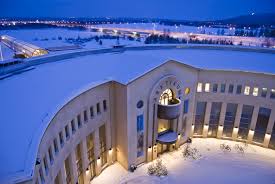
    University of Lapland main facilities

    New application round for University of Lapland’s European Master in Tourism, Culture and International Management (EMACIM) master’s program will be open from December 2nd to January 31st 2014.

    The two-year master’s degree program at the University of Lapland provides graduates with the opportunity to gain knowledge and education in international business and international management as well as cultural experience and heritage, tourism being seen as a modern link between them. To apply, visit ULapland Admissions.

    The degree program has been created to respond to the needs of cultural and tourism industries, and the EMACIM curriculum will increase the competitiveness and employability of the graduates and promote their entrepreneurial spirit.

    During two years of studies, the students will learn to develop and manage international cultural productions and services; to work in an intercultural and professionally diverse environment; and to understand and follow the principles of sustainability.

    In cultural industries, there is a strong demand for new professionals with a diverse set of management skills and an extensive understanding of the changing needs of the modern society. The EMACIM degree will open the graduates a diversity of career paths in cultural industries, such as entrepreneurship, production, management, tourism and research.

    The program consists of tourism research studies (60 ECTS), EMACIM studies (30 ECTS) and a specialization study module which can include an internship, exchange studies or minor subject studies (for example, the Intercultural Communication Programme or minor studies at an art faculty).

  • Less ice does not mean less danger

    Less ice does not mean less danger

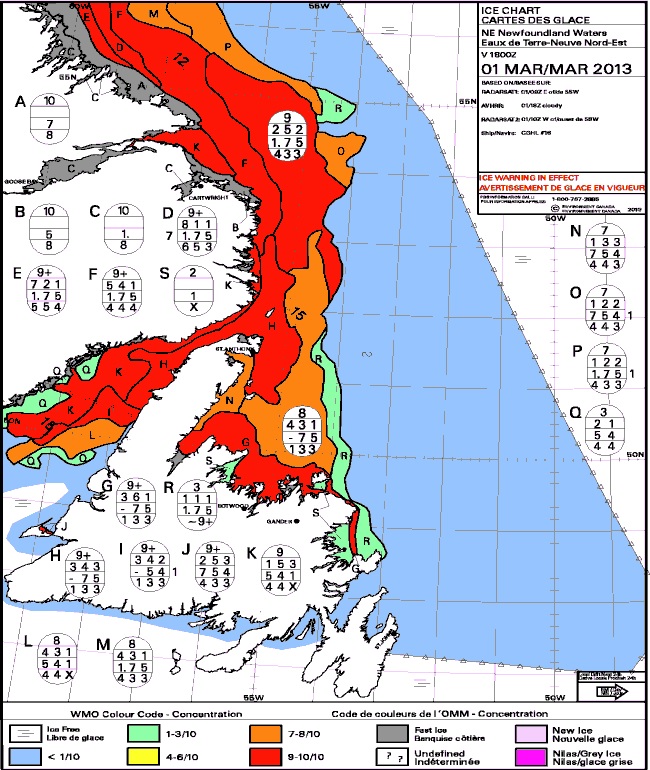
    A container ship enroute from Montreal to England was stopped by ice in the Strait of Belle Isle

    Ice Information Services of the World Work to Enhance the Safety of Marine Operations in Ice-Covered Waters

    25th of October 2013 in Reykjavik, the capital city of Iceland hosted by the University of Iceland and the Icelandic Meteorological Office this month, experts from the International Ice Charting Working Group (IICWG) held their 14th annual meeting in Reykjavik, Iceland.

    The IICWG issued the following statement: “While the extent of the Arctic ice pack rebounded somewhat this year from the record minimum set in 2012, this should not be taken as a sign that the trend of diminishing Arctic sea ice has stopped. This is an illustration of the extreme inter-annual variability that is to be expected. The long term trend remains toward a seasonally ice-free Arctic Ocean.”

    The retreat of the sea ice during the last two decades is facilitating a striking increase in marine activity in the Arctic which has prompted Arctic Council governments to adopt multinational agreements on Search-and-Rescue and Oil Pollution Response. At its meeting in Reykjavik, the members of the IICWG that provide information on sea ice and iceberg conditions discussed how they could best support Arctic and Antarctic Search-and-Rescue and Oil Pollution Response.

    After setting a record minimum in 2012 of 3.4 million square kilometres, the sea ice pack in the Arctic Ocean recovered somewhat this year. The U.S. National Snow and Ice Data Center reports that the sea ice extent dropped to 5.1 million square kilometres on September 13, significantly more than the minimum in 2012 but still more than a million square kilometres less than the long term average.

    – Active sea ice dynamics in the region forced the premature evacuation of the
    Russian drifting ice station, North Pole-40.

    – Passengers from a cruise ship were stranded for a short while on a drifting ice floe
    that unexpectedly broke away from the shore in the Canadian Arctic

    Less ice does not mean less danger – the large variability in local sea ice conditions from
    year to year and from region to region presents major hazards for shipping and other
    offshore activities.

    – The tanker “Nordvik” entered Matisen Strait in Russia’s Northern Sea Route
    without permission due to its insufficient ice class and was holed by ice – there was no pollution.

    – Some 35 adventurers attempting to cross the Northwest Passage in a variety of yachts and smaller boats were surprised by locally difficult ice conditions causing some to abandon their attempt.

    – Supply barges carrying goods for some Arctic Canada communities were delayed by ice conditions more difficult than experienced in recent years.

    – The ice extent in the Baltic Sea was average. The ice melt started late keeping icebreakers working late in the season.
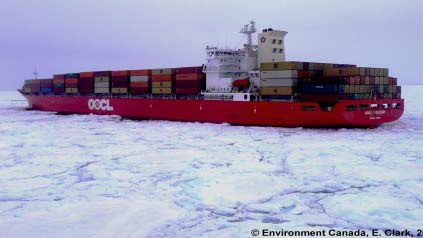
    Cargo ship

    Commercial interest in the Arctic is increasing rapidly.

    – By October 23, thirty-one ships (all escorted) have made complete transits of the Northern Sea Route this year, including the first ever container ship. Six hundred and one authorizations were issued for voyages within the NSR, about half of which were escorted in convoy.

    – The Nordic Orion, carrying coal from western Canada to Finland, became the first bulk carrier to traverse the Northwest Passage.

    – Oil and gas development is occurring in virtually every region of the Arctic including Russia, Norway, Iceland, Greenland, Canada and Alaska.

    Greenland glaciers continue to calve huge “ice islands” that float southward into the North Atlantic. Pieces of these ice islands have been observed as far south as Newfoundland posing a danger to shipping and offshore operations.

    While Arctic sea ice extent is diminishing, the same is not true of the sea ice around Antarctica where maximum sea ice extents have been slowly increasing during the austral winter.

    President Olafur Ragnar Grimsson of Iceland addressed the meeting emphasizing the urgency for the scientific community to engage in dialogue with political and business leaders in shaping the future of the Arctic. He stressed that the Arctic is now a global concern and the guidance of scientific knowledge is critical to avoid irreversible mistakes.

    The IICWG notes with satisfaction that Arctic governments are responding to the reality of this increasing activity in their northern waters. Russia has opened the first of ten new Search-and-Rescue Centres along the Northern Sea Route. The member states of the Arctic Council adopted important new agreements on emergency response. The IICWG looks forward to next year’s release of the International Maritime Organization’s Mandatory Polar Code. In their role of providing ice information for the safety of maritime activities in ice – covered waters, the IICWG members are working hard to support these initiatives.

    The IICWG was formed in 1999 to promote cooperation between the world’s ice services on all matters concerning sea ice and icebergs and brings together the operational ice services of Canada, Denmark (Greenland), Finland, Germany, Iceland, Norway, Poland, the Russian Federation, Sweden and the United States, as well as the British Antarctic Survey and the International Ice Patrol.

    For more information, please see regional contacts on the IICWG web site:
    http://nsidc.org/noaa/iicwg

    For up to date information on Sea Ice Services in the world see:
    http://wdc.aari.ru/wmo/docs/WMO574.pdf

    For more information on the IICWG, please contact:
    Mr. John Falkingham
    IICWG Secretariat
  • Arctic Day ’13 to take place in Reykjavik

    Arctic Day ’13 to take place in Reykjavik

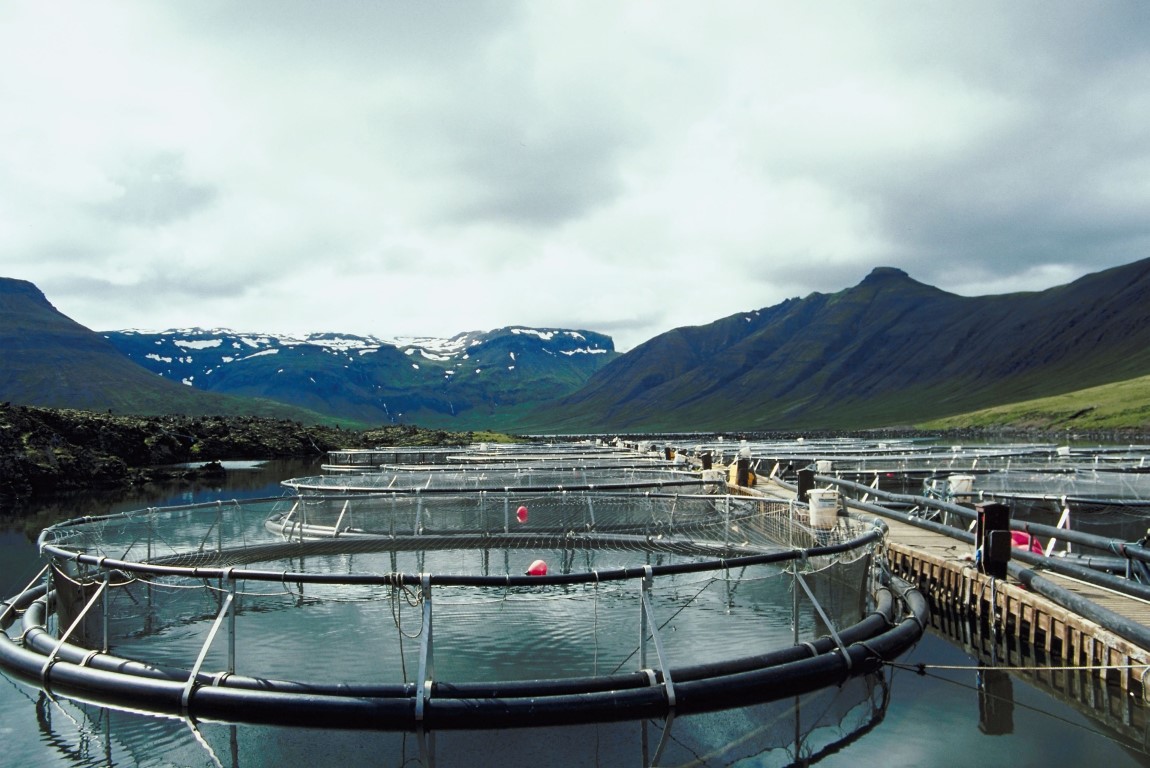
    Aquaculture

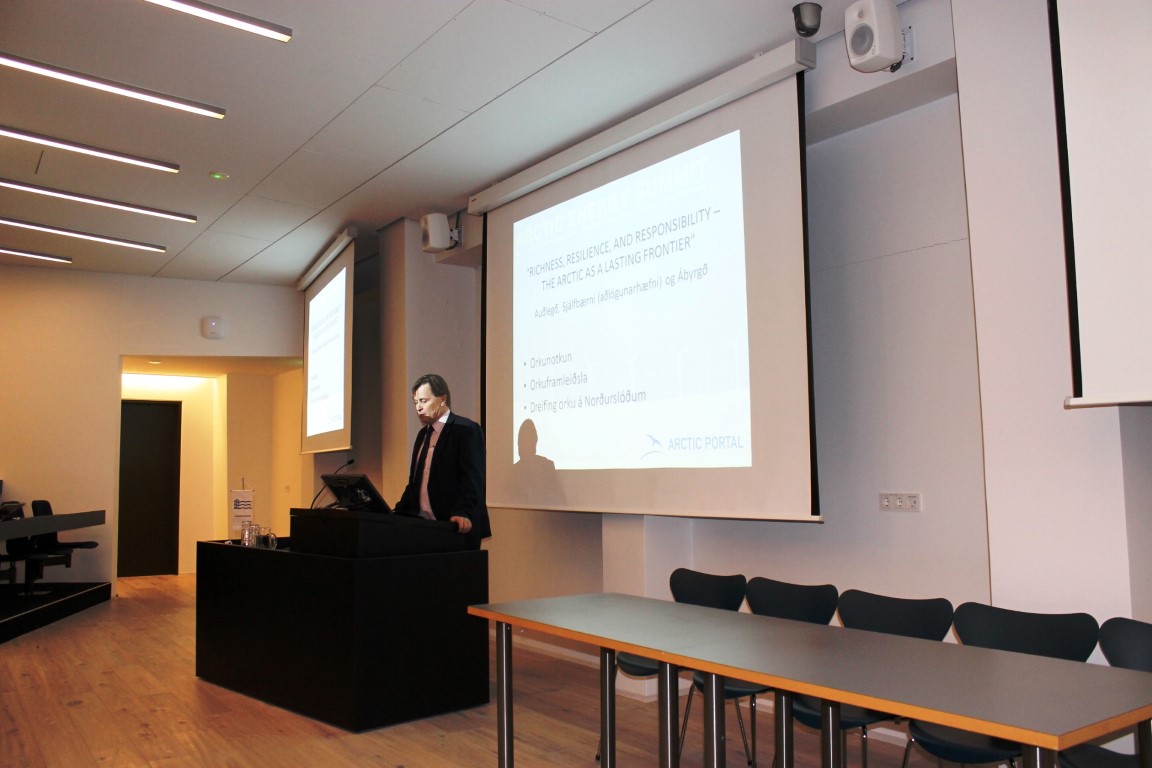
    The Day of the Arctic will officially take place on Thursday, 14th of November. The event will be held in Icelandic at the Icelandic Marine Research Institute in Reykjavik.

    The discussion will focus around possibilities and ways of strengthening the participation of Icelandic research community in international cooperation and policy.

    The Day of the Arctic 2013 will focus on the position of Icelandic research community in changing Arctic and the challenges that are being faced and might occur in the future.

    What is more, the event will answer an important dispute on how well are the Icelandic research institutions prepared to join international cooperation in the Arctic field.

    Alongside the lectures and panel discussions on international cooperation monitoring, research, human resources and education, Icelandic research institutions and commercial companies will promote themselves during poster sessions.

    More information about the Day of the Arctic and detailed agenda can be found here.

    The Icelandic Marine Institute (MRI) was established in 1965 as a governmental institute under auspices of the Ministry of Fisheries.

    MRI conducts various marine research and provides the ministry with scientific advise based on its findings on marine resources and environment.

    Click here to read more about the MRI.

  • INTERACT call is now open

    INTERACT call is now open

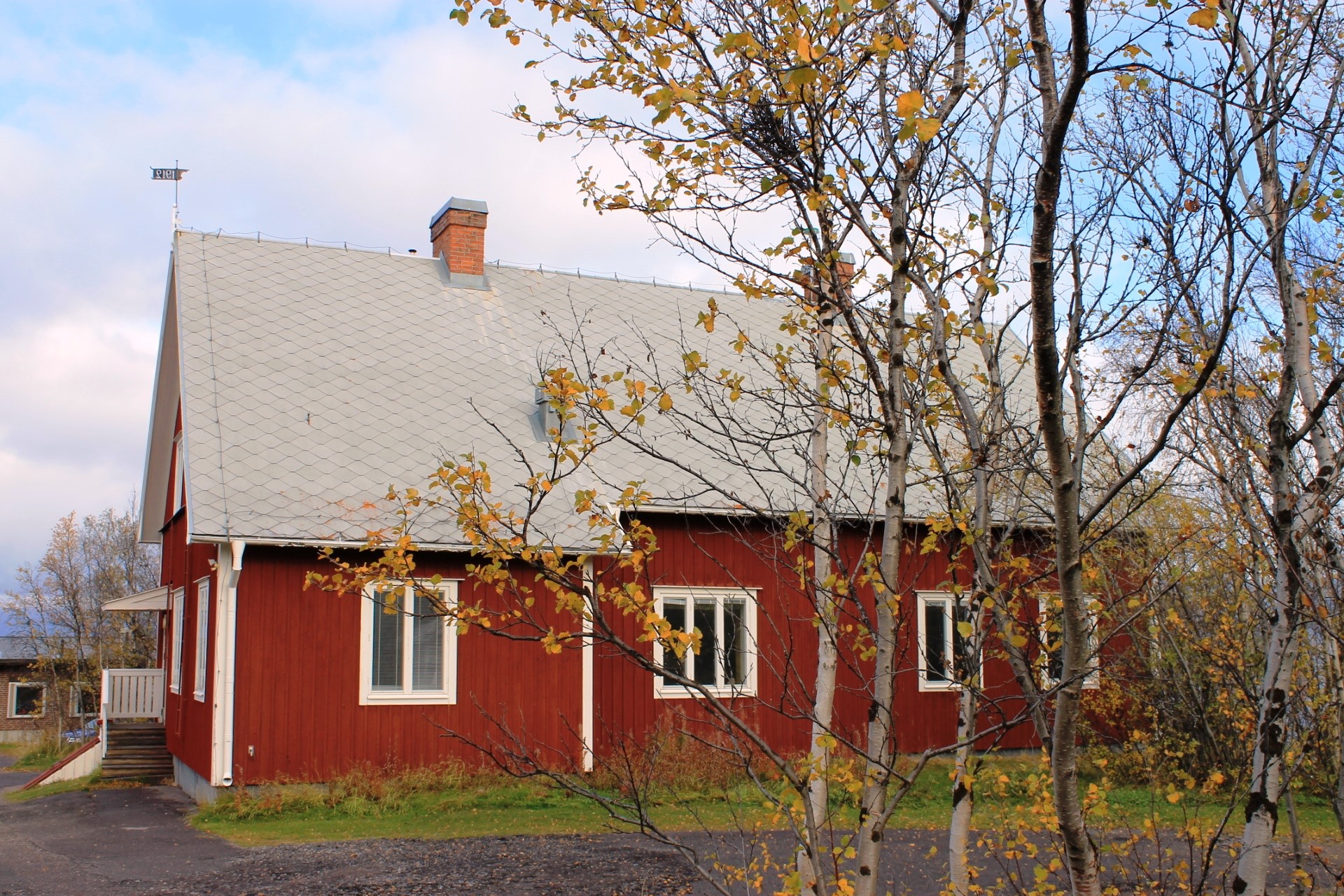
    Research station in Abisko, Northern Sweden

    Canadian partners in INTERACT (International Network for Terrestrial Research and Monitoring in the Arctic), Centre d’études Nordiques (Centre for Northern Studies, CEN) and Arctic Institute of North America (AINA), open a call for research grant proposals for European-based research groups to conduct research at two field stations operated by the partners. The call is open from Nov 1-Dec 15, 2013.

    The grants, each a maximum of 5000 €, include open access to station facilities and should be used for travel, daily or weekly accommodation rates at the station, and meals. The research should be conducted in 2014; both stations are open all year round.

    Eligible to apply are the research groups where the group leader and majority of the group members are from EU Member State or Associated State, or from the Russian Federation, are eligible to apply the grant.

    In order to apply for the grand, the research proposal and personal CV should be send by e mail to Hannele Savela by December 15th 2013.

    The evaluation of proposals will be based on scientific merit, feasibility and appropriateness. The evaluation will be conducted by the INTERACT Transnational Access Board with consultation by CEN and AINA.

    The applicants will be notified about the grant decisions in January 2014.

    More information on how to apply and detailed descriptions of the stations and their facilities from the INTERACT website and from the following contact persons:

    CEN scientific coordinator Christine Barnard, PhD
    AINA Executive Director Maribeth S. Murray, Ph.D
    INTERACT WP4 coordinator Hannele Savela, PhD

  • Nordic Council´s prizes awarded in Oslo

    Nordic Council´s prizes awarded in Oslo

    Nordic Council's five prizes awarded at Gala celebration in Oslo.

    Yesterday, 31st of October, for the first time all Nordic Council´s 5 prizes were announced and presented together at the Nordic Council Prize Gala.

    “Profeterne i Evighedsfjorden” by Kim Leine won the Literature Prize, “The Hunt ” by Thomas Vinterberg won the Film Prize, the violinist Pekka Kuusisto won the Music Prize, “Karikko” by Seita Vuorela and Jani Ikonen (ill.) won the Children and Young People’s Literature Prize, and Selina Juul from the Movement Stop Wasting Food won the Environment Prize.

    The event has been taking place annually. The Nordic Council prizes are each worth DKK 350,000 and were awarded in conjunction with the Nordic Council’s Session in Oslo.

    The Nordic Council is the official inter-parliamentary body in the Nordic Region. The Nordic Council was formed in 1952. The Council has 87 elected members from Denmark, Finland, Iceland, Norway and Sweden as well as from the Faroe Islands, Greenland and Åland.

    More information about the Nordic Council Prize Gala.

  • EU – Arctic Initiative at October´s events

    EU – Arctic Initiative at October´s events

    Halldór Jóhannsson, director at Arctic Portal, at the Northern Forum General Assembly

    The month of October brought together international partners from all the Arctic states and their European partners at various events.

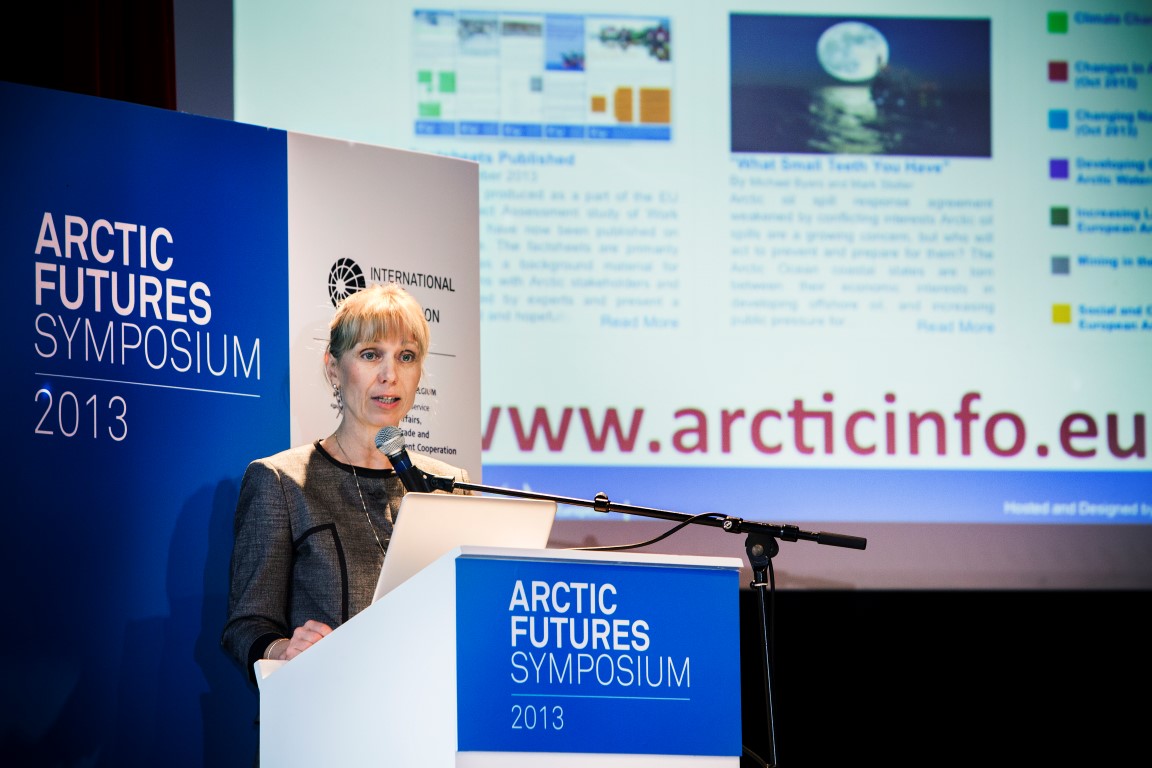
    Representatives of EU – Arctic Information Centre have been visible at a number of conferences recently, The 2013 Arctic Energy Summit that took place in Akureyri, northern Iceland, 8-10 October, The 6th Symposium on Polar Law at the University of Akureyri, northern Iceland, 11-12 October, Arctic Circle in Reykjavik, Iceland, 11-14 October, 2013 Arctic Futures Symposium in Brussels, Belgium, 16-17 October, the 11th General Assembly of the Northern Forum in Moscow, Russia, 16-18 October and the First International Arctic Media Forum in Arkhangelsk, Russia, 20-23 October.

    The Arctic Canter from Rovaniemi, Finland has been the leader of the network of Strategic Environmental Impact Assessment of development of the Arctic. The project is considered to be first and the most important step to strengthen communication and outreach within the EU and between the EU and the Arctic community.

    Paula Kankaanpää, director at Arctic Centre

    The project consists of 19 leading Arctic research and outreach institutions from various European Members states and EEA countries.

    Currently the network includes members from Belgium, Finland, France, Germany, Iceland, Italy, the Netherlands, Norway, Poland, Sweden, the United Kingdom as well as Sámi. Additionally, three international Arctic organizations based in Europe (European Polar Board of European Science Foundation, GRID-Arendal and the University of the Arctic Thematic Networks) constitute important members of the partnership.

    Click here for more information about the project and the project partners.

    The partners will continue their work towards compilation of the existing information related to impacts on development in the Arctic into popularized formats, use in consultation meetings and prepare reports from the results of the consultations followed by recommendations.