Blog

  • Arctic Council report on SLCF released

    Arctic Council report on SLCF released

    Arctic Portal news

    The Arctic Council has released a new report on its webpage. The report is from The Task Force on Short-Lived Climate Forcers.

    SLCF (Short-Lived Climate Forcers) are subsets of greenhouse gases and aerosols that alter Earth’s energy balance. Unlike long-lived greenhouse gases like Carbon Dioxide (CO2), SLCF´s remain for a much shorter time in the atmosphere.

    The task force was established with the 2009 Tromsø Declaration and focused initially on black carbon. SLCF´s also include directly emitted greenhouse gases like methane.

    The report states that the largest sources of BC emissions in Arctic Council nations have been identified. Overall, total BC emissions from Arctic Council nations are projected to decrease in the coming decades, primarily due to the effective implementation of transportation-related PM controls.

    To maximize climate benefits, the report states that PM control programs must aim to achieve maximum BC reductions. Several mitigation measures have been identified to further reduce major emission source categories.

    The task force also claims that additional measurements, research, and analyses are needed to better identify the specific BC mitigation measures—both inside and outside of the Arctic Council nations—that will lead to the largest Arctic climate benefits.

    The Task Force has been requested to continue its work on short lived climate forcers and will focus on methane and tropospheric ozone, as well as further black carbon work where necessary and provide a report to the next Ministerial Meeting in 2013.
  • New nuclear disposal vessel

    New nuclear disposal vessel

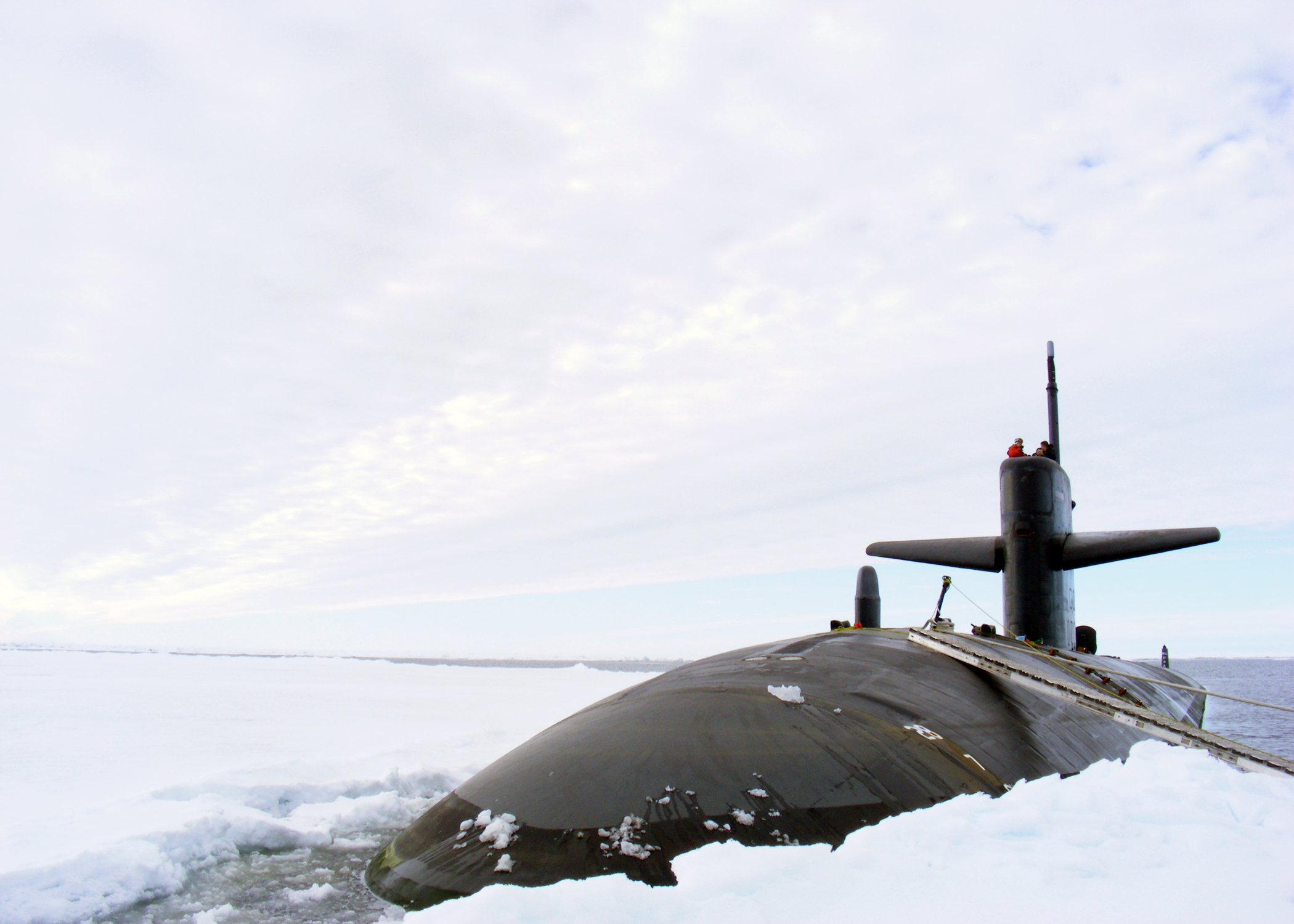
    Nuclear Submarine in the Arctic

    Nuclear waste is common in the Arctic. After eight years of waiting, Russia can finally embrace its new nuclear waste transporter, Rossita. Built in Italy, it can now start to collect waste from numerous locations in Russian waters.

    Spent nuclear fuel needs to be disposed from ships and submarines. They are pumped to storage tanks that are then emptied. Some of these tanks are deteriorating due to poor maintenance and the harsh Arctic climate. The need for Rossita was huge and it is warmly welcomed in the Arctic.

    Submarine scrap yards and the ports of Gremikha, Andreyeva Bay, Sayda Bay and Severodvinsk will be amongst its locations.

    The vessel has two isolated cargo holds with a capacity of 720 tonnes. They are equipped with special ventilation systems to maintain appropriate temperatures. The vessel is 76 meters long with a 14-meter-wide cargo capacity of 1700 tonnes and a four meter draught. Its diesel engine power two propellers give the Rossita a speed of 12 knots.

    The cost is around 70 million Euros.

    It was last year Russia started the disposal of nuclear waste from its bases. Amongst tasks are the removal of two submarines in the Barents- and Kara Seas.

    The two submarines in question are the November class nuclear submarines B-159 (K-159), which sank in the Barents Sea in August 2003, 248 meters down, with nine of her crew and 800 kilograms of spent nuclear fuel, while being moved for dismantling. The other one is the K-27, which was dumped in the eastern Kara Sea in 1982. Her reactor compartment was sealed before the sub was dumped at a depth of 33 meters.

    See also: Radiological assessment: Waste disposal in the Arctic Seas

    Picture: Nuclear submarine in the Arctic.

  • Revolution in Iceland

    Revolution in Iceland

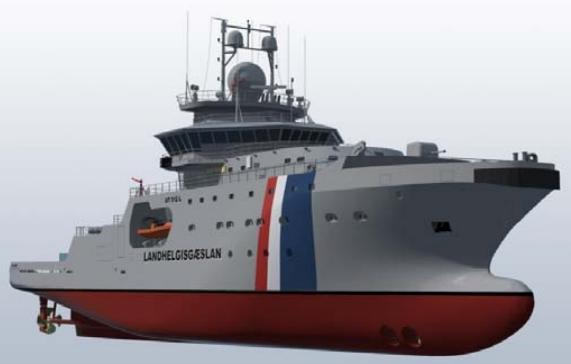
    Thor Iceland Coast Guard

    The Icelandic coastguard is strengthening its fleet with a new vessel. Named Thor (Þór) after the God of Thunder will be the most complete patrol ship of its kind in the North-Atlantic.

    The multitasking vessel is strengthened for sailing in ice-laid waters and will strengthen search and rescue in the North-Atlantic. Iceland can play a big role in those activities in the future.

    It will arrive in Iceland in September from Chile. An 8.8 Richter-scaled earthquake destroyed the shipping marine where it was built in February 2010, delaying the delivery for about a year. It will take almost four years to deliver the ship, including the delay.

    Thor will have all the qualities of a tugboat and is well equipped for surveillance and all kinds of rescues.

    “Thor will be a revolution for Iceland,” Georg Lárusson, chief executive of the Icelandic Coast Guard told DV newspaper in Iceland.

    “We are in a position where our environment is changing because of the melt of sea ice and the opening of the Northeast Sea Route. This ship will make us capable in taking part in shipping regarding these changes and taking part in projects associated with patrol in the increased traffic.”

    See also:
    More information about Thor (in Icelandic) – PDF
    Shipping in the Arctic – From Arctic Portal webpage
    Icelandic Coast Guard webpage

  • Eight days through the Arctic

    Eight days through the Arctic

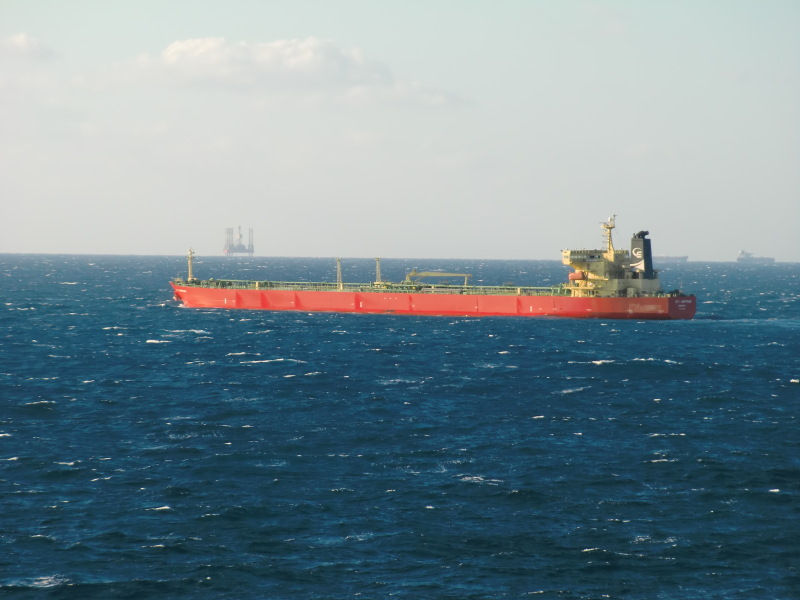
    STI Heritage tanker

    It took only eight days for the STI Heritage tanker to go from Murmansk in Russia and through the Arctic Ocean via the Northeast Passage.

    This is a new record for speed, bettering the 15 days it took Perservance earlier in the summer. The average speed of Perservance was 7,6 knots but STI Heritage averaged 14 knots.

    Twice as fast means a lot of money has been saved by Novatek which also plans to send the largest tanker through the Northeast Passage later in August.

    The STI Heritage sailed from Murmansk to its destination in Thailand, Map Ta Phut, in just under a month.

    See more about the Northeast Passage here.

    See also:
    Breakthrough of the Russians
    Sea ice levels at an all time low

    Photo: STI Heritage

  • A new Arctic documentary

    A new Arctic documentary

    Inuit in Rax film

    One of Icelands best photographers has travelled in the Arctic half his life. For around 25 years Ragnar Axelsson, Rax, has shot hunters and the people in the Arctic with his cameras.

    A new documentary about the people and his trips and photos from the Arctic will premiere in Iceland on August 19th. The film has already been shown on BBC4 and will be shown around the world.

    Rax spoke to Arctic Portal about the film in our Feature of the week where more photos and the movie trailer can be seen.

    Feature of the week.

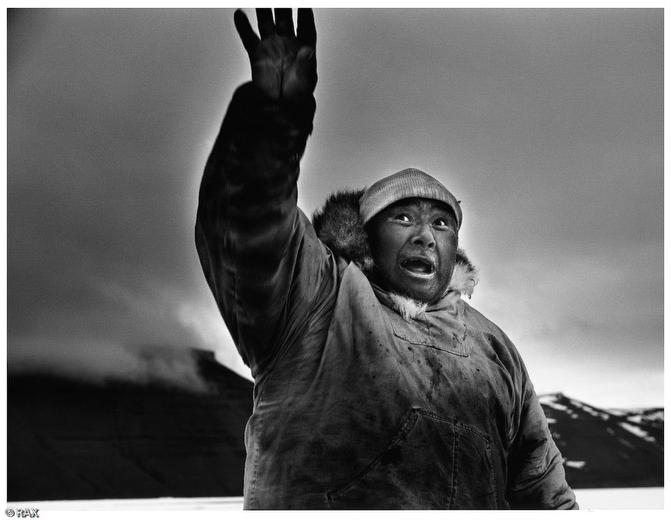
    Photo: Ragnar Axelsson (Rax).

  • Last days of the Arctic: Documentary with Rax

    Last days of the Arctic: Documentary with Rax

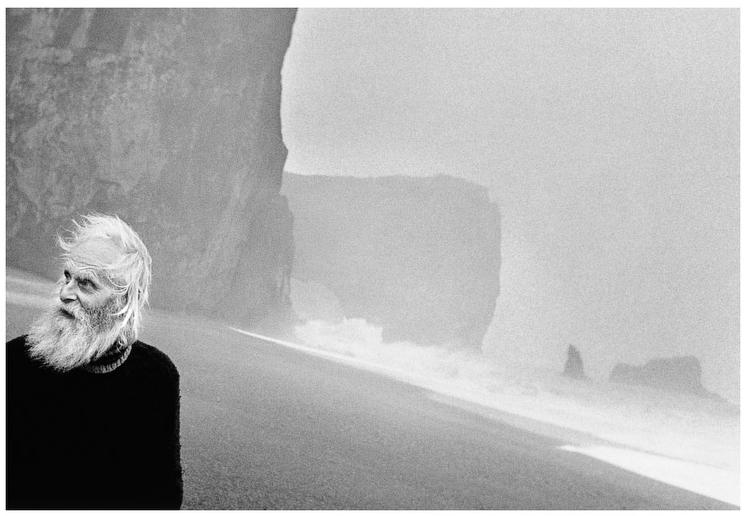
    Man on a coast, photo by Ragnar Axelsson (RAX)After 25 years in the Arctic, Icelandic photographer Ragnar Axelsson (Rax) has not only pictured the people in the North, he has seen and felt the effects of climate change to it.

    A new documentary, titled Last days of the Arctic, follows Rax around the Arctic where he revisited the people he met. The film succeeds his books, Faces of the North (2004) and Last days of the Arctic (2010).

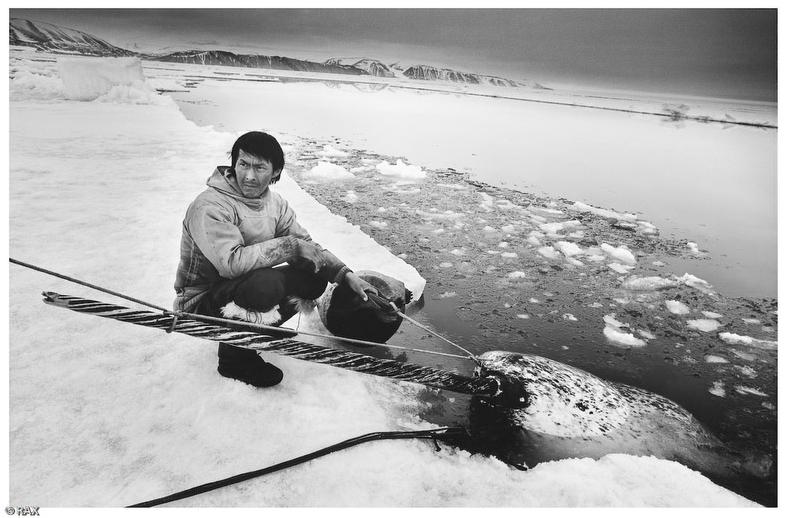
    Inuit hunting a seal“The film succeeds the books. We travelled everywhere and met the people, but the weather was too good! I missed the storms I saw when some of the pictures were taken,” Rax told the Arctic Portal website.
    He stopped counting his trips to Greenland. “I think they might be around 25-27. That averages about one a year. It is very expansive to go to Greenland and sometimes I did not gain anything. Then I just had to go home and collect more money for the next trip.”

    Born and raised near a glacier in Iceland, he has seen the effects of global warming, both at home and in his trips. “One can definitely see it when travelling to the same places, 5 or 10 years later. The landscape is constantly changing. I did not realize the effects at first, I just wanted to go and shoot beautiful photos. I wanted to go where nobody had gone, challenging the cold, the distances and the weather. So many photographers just want to sit around in Africa, naked in the sun,” he joked.

    “I saw the effects of climate change when I started. Sometimes with my eyes, the ice had melted, and sometimes with help of the Greenlandic hunters. They are amazing. They know all about this. They can feel it, it is in their bones.”

    “You could ride in a dogsled around one area, but in the next trip the ice was too thin. Some areas became impassible.”

    The film is called Last days of the Arctic, but is that really the case? Are the hunters life’s threatened by climate change?

    “Well, the film is a thought about this. The Arctic will change, including the lives of the people. Hunters rely on areas to fish and hunt, some of these areas will be impossible to reach when the ice is to thin,” Rax said.

    The film was shown on BBC4 and has travelled around the globe since. The receptions have been excellent and it will premiere in Iceland on August 19th.

    The film preview:

    The Last Days of the Arctic – Trailer from Sagafilm Productions on Vimeo.

  • Sea ice levels at an all time low

    Sea ice levels at an all time low

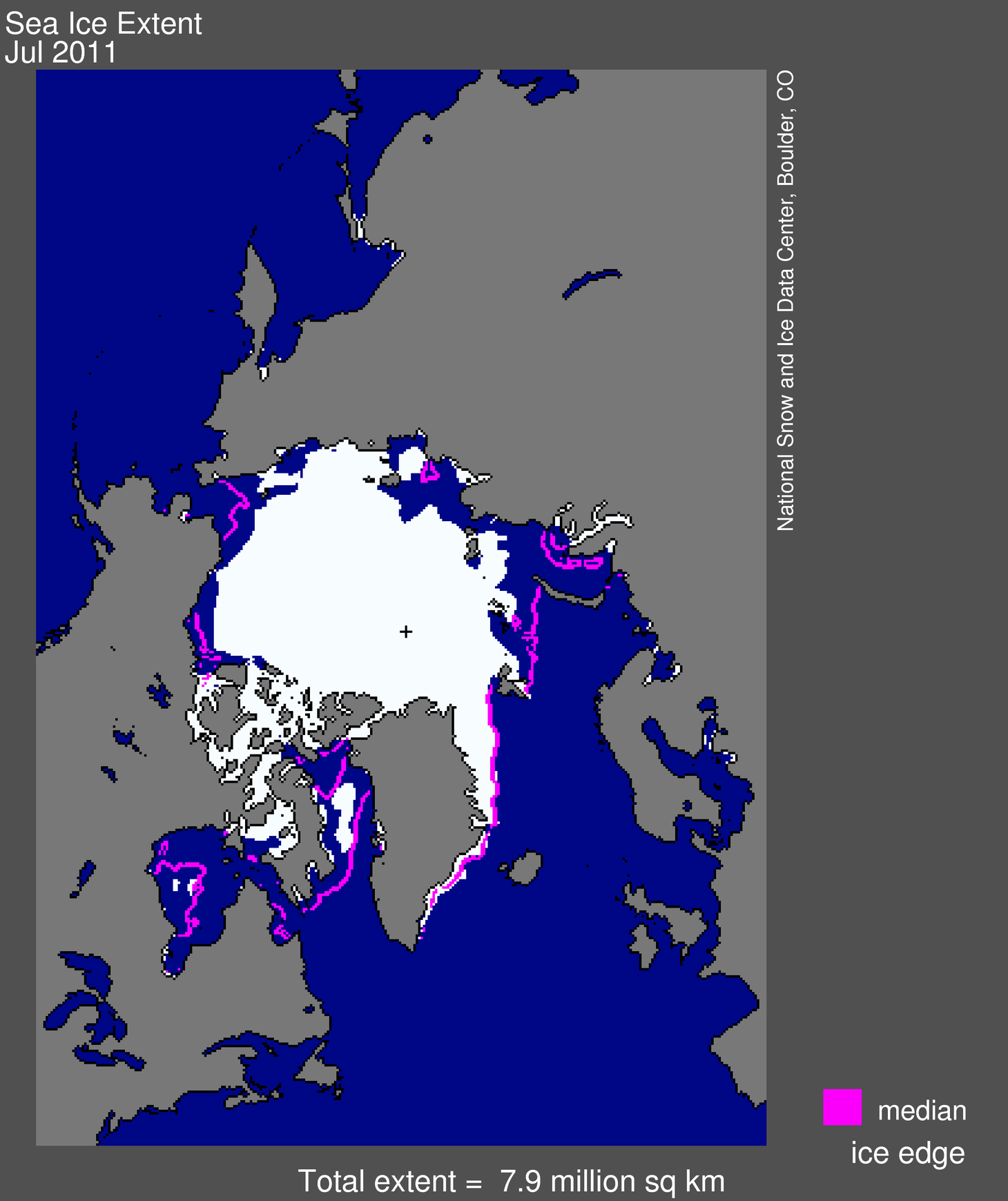
    Sea Ice Extent in July 2011

    Sea ice in the Arctic is at an all time low. Data from July confirm this. The level is the lowest since satellite records have been used for measures. Sea ice coverage also remained below normal everywhere except the East Greenland Sea.

    The data also shows that more of the Arctic’s oldest ice has disappeared.

    The ice declined at a fast pace in the beginning of July but as August approached, the pace went down.

    Since 1979, when satellites were introduced as measuring tools for ice in the Arctic, the ice as declined at around 6,8% per decade.

    As reported earlier, the loss of sea ice has resulted in Russians using the Northern Sea route more frequently. The tanker Perserverance set sail on June 29, 2011 from Murmansk, Russia, aided by two icebreakers and completed the passage on July 14. At least six more ships are scheduled for the route in the summer.

    In August they also plan to send the largest ever tanker through the route.

    The Northwest Passage is still choked with ice but its level is also diminishing. An open route for vessels could open up this year, but weather in the region for the next few weeks will determine that.

    Picture: Sea Ice Extent in July 2011 – From The National Snow and Ice data Center.

  • Breakthrough of the Russians

    Breakthrough of the Russians

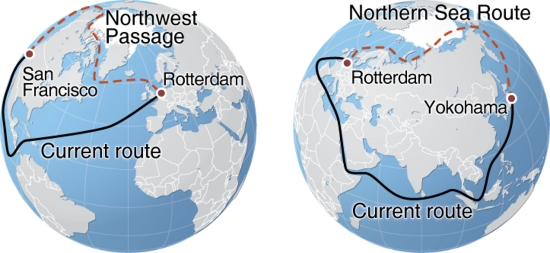
    Map of Northwest Passage and Northern Searoute

    Although the ice in the Arctic is slowly diminishing, regular sea transport has not begun in the area. Russians have perhaps the most interest in Arctic shipping due to the enormous resources near the Arctic Ocean, in their own backyard.

    But Russia has two mainfold problems. They need more icebreakers and more infrastructures to use the Northern Sea Route more regularly.

    Nikolay Patrushev, Russia’s Security Council’s secretary says instruments for navigation and communication and bases for search and rescue services are not sufficient. Russia plans to build a series of new search and rescue vessels and make the port of Amderma into a main base for a new emergency unit. Six icebreakers are being built, three of them nuclear powered.

    Tankers with a draught of over 12 meters can now use the Northern Sea Route and Russia’s second largest producer of natural gas, Novatek, is sending the largest tanker ever through the Northeast Passage in August.

    Russia’s Ministry of Transport believes cargo transport through NSR will increase from last year’s 1.8 million tons to 64 million tons by 2020, according to the BarentsObserver.

  • A new report on the deep seas

    A new report on the deep seas

    Deep seas drawing report

    Human actions have had adverse affects on the Arctic, even its deep sea ocean bed. A new report warns that better care needs to be taken of this vastly unknown area.

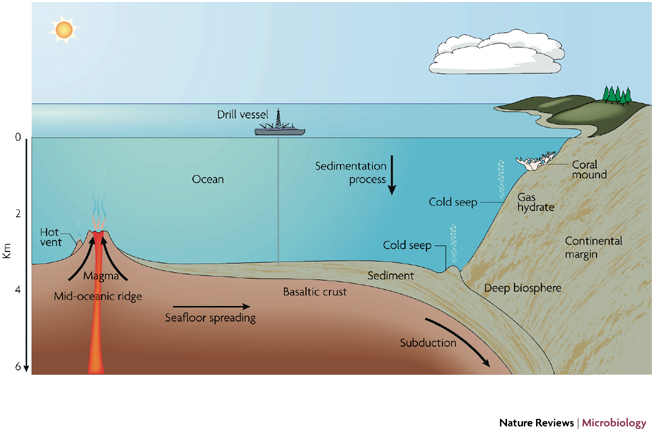
    It has been said that humans know less about the deep sea bed then the dark side of the moon. The average depth of 3.8 kilometers makes access for exploration inhospitable and only a handful of the approximately 326 million square kilometers deep ocean bed has been explored.

    “The main problem is that we still know very little of what we call the deep sea, making it difficult to evaluate accurately the real impact of industrial activities, litter accumulation and climate change in the deep sea habitats,” says the team conducting the deep sea project for the Census of Marine Life.

    The report, published in the journal PLOS One says that after dumping waste in the oceans for centuries, humans have introduced invasive species from one hemisphere to another. Climate change has also begun to alter the basic chemistry of marine life with dramatic increases in the concentrations of dissolved CO2 and overall world temperatures.

    The report: Man and the Last Great Wilderness: Human Impact on the Deep Sea

    It also reports that those who want to exploit the oceans must realize that their explorations and actions have consequences. But although human actions can have adverse effects, climate change will be the main factor in the future.

    “We predict that from now and into the future, increases in atmospheric CO2 and facets and consequences of climate change will have the most impact on deep-sea habitats and their fauna,” the report states.

    Finally, the report says that extracting methane hydrates from the seafloor could be more complicated and ecologically sensitive than first thought.

    “Most gas hydrates are buried beneath a thick sediment cap on the sea floor below 250 (meters),” the authors wrote. “In places where gas hydrates intercept the sediment surface … methane seep ecosystems are well developed. Should mass extraction of gas hydrates become a reality, many methane seeps might become subject to disturbance more significant than that of oil and gas extraction.”

    The report: Man and the Last Great Wilderness: Human Impact on the Deep Sea

    Picture: Nature Reviews

  • Fluctuations in Arctic sea ice

    Fluctuations in Arctic sea ice

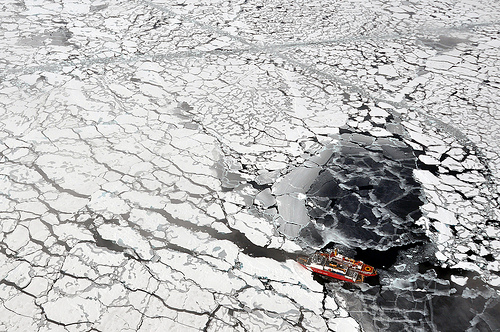
    Icebreaker sailing through arctic sea ice

    The extent of the Arctic sea ice is extremely variable. Danish researches have come to this conclusion.

    Measuring the extent of sea ice is almost impossible. It constantly breaks off the ice caps in the Arctic and then melts after drifting in the ocean.

    The Danish researchers say this is the first time that an idea of past sea ice levels has been extracted from the region.

    “Our key to the mystery of the extent of sea ice during earlier epochs lies in the driftwood we found along the coast,” Svend Funder, one of the researchers said to PlanetSave and added: “Our studies show that there have been large fluctuations in the amount of summer sea ice during the last 10,000 years.”

    8-5000 years ago the temperature was considerably warmer then today. That mens the sea ice was significantly less at the time then now. That means a direct connection between the temperature and amounts of sea ice, Funder says.