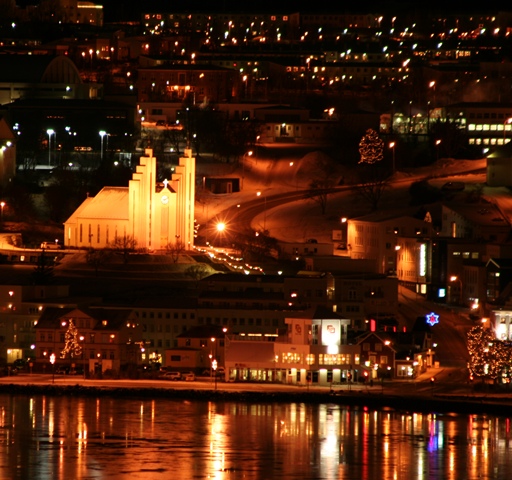
Tag: Arctic Energy Summit

  • N4 streams live from Energy Summit

    N4 streams live from Energy Summit

    Arctic Energy Summit

    The Arctic Energy Summit is just few days away. Organizers realize that some of you who have interest in Arctic energy issues will not be able to participate in the event.

    Thanks to N4, all three conference rooms will be streamed live. Live picture for the event will be available on the conference website. Click on the link on Tuesday the 8th of October to watch it live.

    The Arctic Energy Summit that will take place in Akureyri, northern Iceland aims to be an interactive and meaningful exchange of knowledge and experience between the participants that will result in practical recommendations for Arctic Council´s Sustainable Development Working Group for whom the project is endorsed.

  • From Alaska to Iceland: six years later

    From Alaska to Iceland: six years later

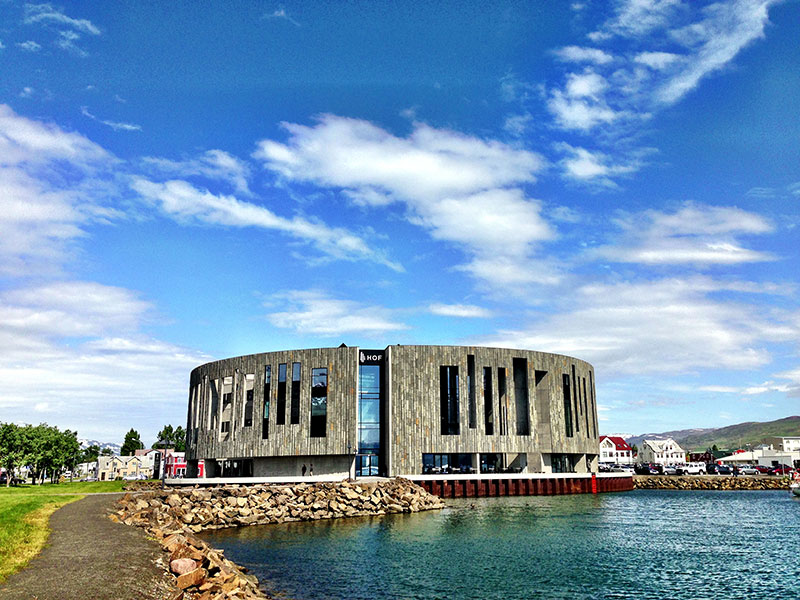
    HOF - Culture House in Akureyri and the conference venue

    Once again, after highly successful 2007 Arctic Energy Summit and Technology Conference, The Institute of the North, together with its Icelandic partner – the Arctic Portal, is organizing The 2013 Arctic Energy Summit.

    The event will take place 8th – 10th October in Akureyri, northern Iceland and relate to thematic areas such as richness, resilience and responsibility. More information about the conference and its topics is available here.

    Foe those, who do not remember, the first Arctic Energy Summit was held in 2007 in Anchorage, Alaska and gathered close to 300 representatives from 13 different countries.
    The technology conference provided a forum for the presentation of international, interdisciplinary technical research papers on the Arctic as an emerging province.

    Presentations covered fields of extractive energy, rural power and sustainability of energy in the Arctic. To read more about topics covered by Arctic Energy Summit 2007, please visit the IoN Website.

    This year´s speakers will include David J.Hayes, Deputy Secretary of the Department of the Interior in the United States, David Garman, the former Under Secretary of Energy at the U.S. Department of Energy, and Aqqaluk Lynge, the former President of the Inuit Circumpolar Council (ICC) and its current international Chair.

  • Arctic Circle now FREE of charge

    Arctic Circle now FREE of charge

    Arctic Circle

    We are pleased to announce further collaboration between the Arctic Energy Summit and the Arctic Circle. Anyone that is registered for the 2013 Arctic Energy Summit will also be able to attend the inaugural Arctic Circle that will be held 12-14 October in Reykjavik, Iceland FREE OF CHARGE.

    To find out more about the Arctic Circle, explore their website at www.ArcticCircle.org and watch the promotional video at http://vimeo.com/72587962.

    If you are interested in attending the Arctic Circle, please email or call Geoff Cooper at gcooper@institutenorth.org or 1(907) 786-4663 so that we can let the Arctic Circle organizers know.

    If you have already paid to attend the Arctic Circle, please contact the event organizers by email at info@ArcticCircle.org. If you have not yet registered for the Arctic Energy Summit, you can register now and check the box for free registration to the Arctic Circle.

    We also want to remind you about the optional energy tour that will take place on 11 October. This exciting tour will visit several of Iceland’s remarkable energy developments while traveling from the site of the Arctic Energy Summit in Akureyri to Reykjavik where the Arctic Circle will begin the following day. For more information, please see the details and online registration here.

    SOURCES

    Arctic Circle

    Arctic Energy Summit

  • Arctic Energy Summit coming soon

    Arctic Energy Summit coming soon

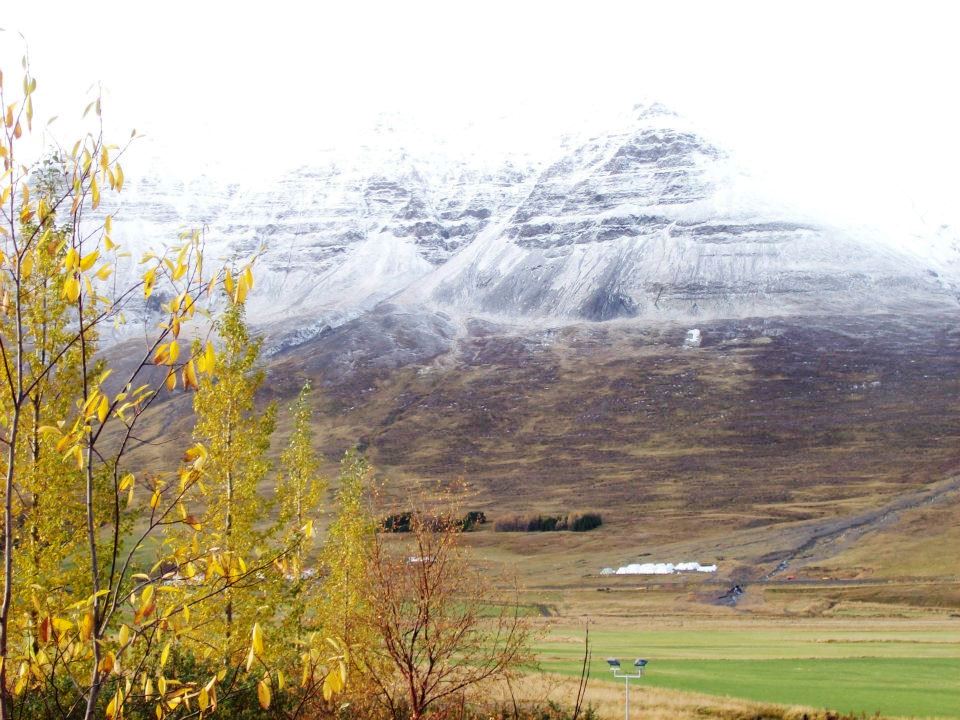
    Autumn in Akureyri

    The Arctic is sometimes described as the last frontier in the development of energy resources.

    The Institute of the North’s Arctic Energy Summit will explore energy as a fundamental element of the sustainable development of the Arctic as a lasting frontier.

    Central to this concept is how a focus on richness, resilience and responsibility will provide a pathway for sustainable energy development in the Arctic and for Arctic communities.

    The 2013 Arctic Energy Summit is a multi-disciplinary event expected to draw several hundred industry officials, scientists, academics, policy makers, energy professionals and community leaders together to collaborate and share leading approaches on Arctic energy issues.

    The 2013 Summit will address energy extraction, production and transmission in the Arctic as it relates to three thematic areas and key questions, including richness, resilience, and responsibility.

    Keynote speakers will include Mr Aqqaluk Lynge, representative of Alaskan Inuit, Mr David Garman, former Under Secretary of Energy at the U.S. Department of Energy and Mr. Christopher R. Sauer who is President and CEO and a founding member of Ocean Renewable Power Company.

    Arctic Energy Summit 2013 will become gathering for media representatives from all over the world in order to raise the awareness about current energy – related issues in changing Arctic.

    Watch and share introductory video prepared by Akureyri reginal TV station N4.

    Beautiful town of Akureyri, located in the northern Iceland is a center of culture, leisure and education. With a population of about 18 000, the town is by far the largest outside the Reykjavik capital area.

    Conference organizers still welcome participants to register for the event. More information can be found on the Conference Website.

    Sources

    Arctic Energy Summit 2013

    See also:

    Arctic Portal Library

    Arctic Portal Mapping System

  • Arctic Energy Summit agenda ready

    Arctic Energy Summit agenda ready

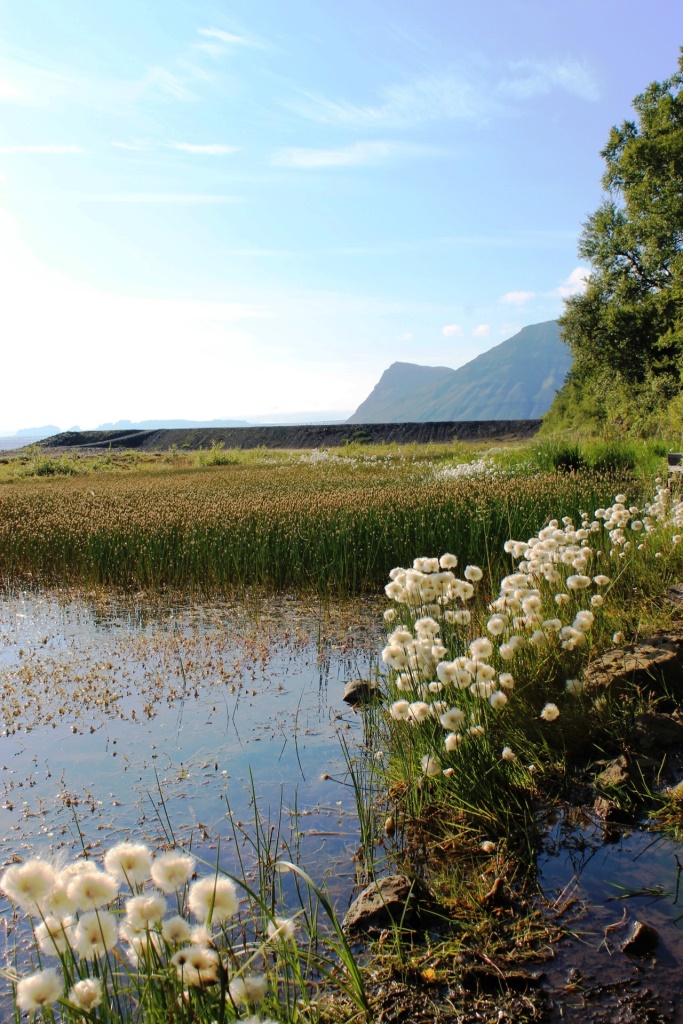
    Summer in Southern Iceland

    We are excited to remind the agenda for the 2013 Arctic Energy Summit! It is filled with speakers who are leaders in the industry, academic, government and non-profit sectors around the world.

    These speakers will help us explore key questions related to areas of interest including:

    • New energy resources and a region that is rich in assets
    • Strategies for northern resilience – maintaining valuable cultural traditions in times of immense economic and environmental change
    • Technological and project advancements for increasing system lifespans
    • Public sector incentives and development of a positive investment climate
    • Global market trends that impact policy or create pressures on development.

    To find out more about the speakers, check out the speaker section of the Arctic Energy Summit website.

    You can see other speakers and presenters by visiting the agenda section.

    The 2013 Arctic Energy Summit is a multi – disciplinary event expected to draw several hundred industry officials, scientists, academics, policy makers, energy professionals and community leaders together to collaborate and share leading approaches on Arctic energy issues.

    Source:

    Arctic Energy Summit

  • AES call for posters

    AES call for posters

    Arctic Energy Summit

    Arctic Energy Summit that will take place in Akureyri, northern Iceland 8 – 10 of October 2013 has now opened the call for posters.

    In order to encourage knowledge sharing and information exchange between conference participants on their ongoing projects or emerging technology, AES calls for conference posters.

    The 2013 Arctic Energy Summit is also an excellent platform to showcase of the energy – related products, projects or programs to the leading policy makers and professionals working in the field of arctic energy.

    The 2013 Arctic energy Summit is a multidisciplinary event expected to draw several hundred industry officials, scientists, academics, policy makers, energy professionals and community leaders together to collaborate and share leading approaches on Arctic energy issues.

    Click here for more information about the Conference.

    Source

    Arctic Energy Summit

  • AES early registration is now open

    AES early registration is now open

    Arctic Energy Summit

    The early registration for Arctic Energy Summit is now open and available on the website.

    The Conference will take place in Akureyri, Iceland. Located in North Iceland and just 60 kilometers below the Arctic Circle, Akureryri is the largest city in Iceland outside of the Reykjavík capital area with a population of 18,000 people.

    It is the center of trade and services in northern Iceland and is filled with culture.

    The town is notable for having the northernmost botanical garderns, swimming facilities, an 18-hole golf course and great hiking trails. There are many natural wonders including waterfalls, volcanic areas and canyons.

    The 2013 Arctic Energy Summit is a multi-disciplinary event expected to draw several hundred industry officials, scientists, academics, policy makers, energy professionals and community leaders together to collaborate and share leading approaches on Arctic energy issues.

    The 2013 Summit will address energy extraction, production and transmission in the Arctic as it relates to three thematic areas and key questions.

    Source:

    Arctic Energy Summit

  • AES abstract deadline extended

    AES abstract deadline extended

    Arctic Energy Summit 2013

    The deadline to submit an abstract for the 2013 Arctic Energy Summit has been extended to April 30th.

    Submissions can include proposals for papers, workshops, and panels.

    The 2013 Arctic Energy Summit is a multi-disciplinary event that will bring several hundred industry officials, scientists, academics, policy makers, energy professionals, and community leaders together to collaborate and share leading approaches on Arctic energy issues.

    The 2013 Arctic Energy Summit will address energy extraction, production, and transmission in the Arctic as it relates to the theme of “Richness, Resilience & Responsibility: The Arctic as a Lasting Frontier.”

    The Summit will take place October 8-10 in Akureyri, Iceland. More information is available on the conference´s website or by e – mail: aen@institutenorth.org. 

    Source

    Arctic Circle

  • Don’t miss the deadline!

    Don’t miss the deadline!

    Arctic Energy Summit 2013

    Arctic Energy Summit calls for papers. The opportunity for submission expires on April 15th. Don’t miss this opportunity to share your research and insights with your peers at the premier Arctic energy event. We welcome submissions that directly address the conference theme.

    Submissions are accepted for Paper Presentations, Poster Sessions, Panels and Workshops. Click here for more information on the types of submissions accepted, abstract guidelines and the conference themes, or email aen@institutenorth.org.

    The 2013 Arctic Energy Summit is a multi-disciplinary event expected to draw several hundred industry officials, scientists, academics, policy makers, energy professionals and community leaders together to collaborate and share leading approaches on Arctic energy issues.

    The 2013 Summit will address energy extraction, production and transmission in the Arctic as it relates to three thematic areas and key questions.

    For more information about the conference, the registration and sponsorship’s opportunity, please visit the conference website.

    Source

    Arctic Energy Summit

  • Arctic Energy Summit in Akureyri 2013

    Arctic Energy Summit in Akureyri 2013

    The Church of Akureyri

    The Arctic is sometimes described as the last frontier in the development of energy resources. The Institute of the North’s Arctic Energy Summit will explore energy as a fundamental element of the sustainable development of the Arctic as a lasting frontier. Central to this concept is how  a focus on richness, resilience and responsibility will provide a pathway for sustainable energy development in the Arctic.

    The Arctic’s energy resources – from oil and gas development to renewable resources such as geothermal, wind, hydro and tidal energy – have received increased attention. There has been little corresponding appreciation for how Arctic communities use energy resources and benefit from production of and access to affordable, accessible energy.

    Building on the work done at the highly successful 2007 Arctic Energy Summit and Technology Conference, the 2013 Summit will address energy extraction, production and transmission in the Arctic as it relates to three thematic areas: richness, resilience and responsibility.

    The interactive conference format will include:

    • Keynote speeches
    • Workshops
    • Panel discussions
    • Paper presentations

    This interdisciplinary forum is for scholars, energy industry officials, scientists, academics, policy makers, energy professionals and community leaders who share an interest in—and concern for— sustainable development of the Arctic and its energy resources. To register, or for more

    We welcome submissions that directly address the conference theme, and add substantively to the discussion of one or more of the following questions:

    Richness
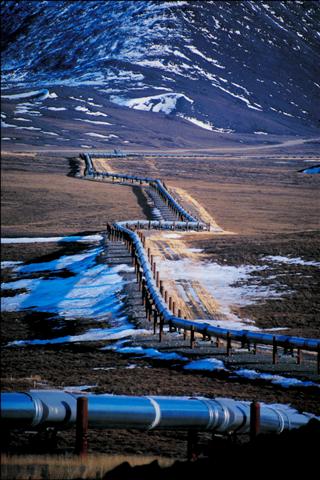
    hot water pipes

    The USGS estimates that more than a quarter of the world’s yet-to-be-discovered oil and gas is in the Arctic. At the same time, geothermal, wind, tidal and hydro resources have the potential to lower the cost of living for northern communities and significantly impact domestic markets.

    • What does this supply of resources mean for the prosperity of northern peoples?
    • What new energy resources are being explored for or developed in the Arctic?
    • How are northern communities enhancing their resource wealth with value-added activities?
    • What role do impact benefit agreements, sovereign wealth funds and other revenue distribution mechanisms play in enhancing national, state, community or tribal prosperity when energy projects are being developed?
    • How is resource wealth used to develop sustainable energy systems for local use?

    Resilience

    Adaptability is critical in the Arctic – peoples of the North have been managing change for millennia. Northern peoples and the environment must respond to rapid shifts in their natural and built environment. The companies doing business in the Arctic must also be innovative and responsive to changing political and environmental landscapes. New technology is guiding development of previously unreachable renewable and extractive energy resources and new shipping routes are ensuring that they can be moved to markets.

    • What strategies are necessary for building social and ecological resilience?
    • How do northern peoples maintain their rich cultures in times of immense economic and environmental change?
    • What risks to resilience does the Arctic face in a time of rapid change and development?
    • What resilience strategies developed for other remote areas can be adapted to the Arctic?
    • How can the built environment in northern communities contribute to community resilience?
    • How does new technology increase the lifespan of northern energy systems and extraction projects?
    • How do nations and communities build resilience in the face of fluctuating energy prices?
    • What technologies are making current resource development possible? What is needed to induce research and development of new technology?
    • How does public policy incentivize investment in the infrastructure and technology needed for further resource development?

    Responsibility

    There are many actors in the Arctic, and an even greater number of different perspectives about each stakeholder’s rights and responsibilities. Of particular significance is how roles shift relative to local, national and international decision-making levels. Geographic scale, too, plays a critical part in defining responsibility.

    • To what degree should Arctic energy resources be developed to meet a global demand?
    • How do we approach energy development that meets the needs of the world, the environment, the people and a company’s bottom line?
    • How does the world’s demand for energy resources influence public policy or create pressure to develop these resources in Arctic nations?
    • Whose responsibility is oil spill prevention and response and how do we incorporate local, private and public assets? How do recent Arctic Council Agreements impact energy development?
    • How can policy-making respond to different levels of concern and management capacity?
    • What does corporate social responsibility mean for the energy industry in the Arctic?
    • Which responsibilities are shared and what is the best way to reach agreement on those?

    TYPES OF SUBMISSIONS ACCEPTED
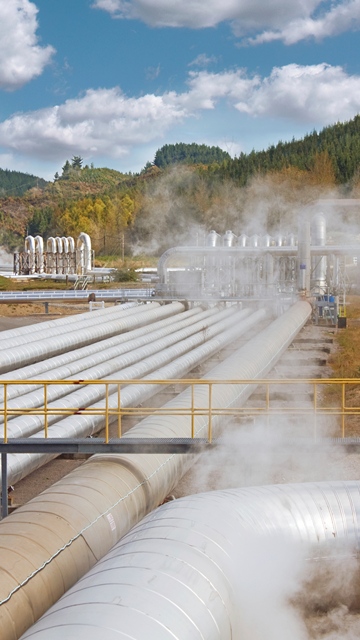
    Geothermal energy

    Abstracts may be submitted for any of the following:

    Paper Presentations
    Paper presentations will each be scheduled for a 15minutes presentation with 5 minutes for questions. Paper presentations can meet any one of the following formats:
    – Original Research: has not been presented or published prior to this conference.

    – Work in Progress: describe early research and novel skeleton ideas in the areas of the conference topics.

    – New Ideas: dedicated to new ideas in their early stage. Contributions might refer to PhD dissertation, testing new approaches, provocative and innovative ideas, out-of-the-box, and out-of-the-book thinking that is related to conference topics. A “New Idea”contribution must be comprehensive, focused, and very well supported.

    Accepted papers will receive further instructions for submission of full manuscripts and slide decks. Full submissions will be due on August 15th, 2013. At least one author of each paper presentation is required to register for the conference following acceptance of the paper.

    For more information contact Iris Matthews at aen@institutenorth.org.

    Panel proposals

    The organizers encourage scientists and industry leaders to contact them with their ideas to organize dedicated panels dealing with controversial and challenging topics and paradigms. Invited panel leaders must include in their abstracts: their background, panelist names, their affiliation, the topic of the panel, as well as short biographies of the proposed panelists.

    The conference organizers will work with closely with panel organizers on the final structure of all panels. For more information, or to discuss a preliminary idea for a panel discussion, contact Iris Matthews at aen@institutenorth.org.

    Workshop proposals
    The organizers also encourage those interested in hosting a workshop on issues complementary to the topics of this conference to contact them with their ideas. The proposed workshop format should be interactive in nature, and designed to engage participants in more deeply thinking and discussing a topic. Organizers encourage a format that includes presentation of an issue or challenge and encourages solution-oriented thinking. Workshop sessions will be given three hour blocks. Abstracts should include workshop organizers names, their affiliation, the topic of the workshop, motivation and rationale for the workshop, as well as short biographies of the proposed speakers and/or moderators for the workshop, as well as intended outcomes from the workshop session.

    The conference organizers will work with closely with workshop organizers on the final structure of all workshops. For more information, or to discuss a preliminary idea for a workshop proposal, contact Iris Matthews at aen@institutenorth.org.

    Poster Session
    Submissions are also being accepted for poster presentations. There will be a designated poster sessions where presenters will have the opportunity to present their posters. The poster session is a good fit for ongoing research projects, case studies and or other technical innovations, and applications, as well as other topics related to the conference themes. The project or theme to be presented should be outlined in the abstract submission. Posters should not be previously published or a previous poster.

    For more information contact Iris Matthews at aen@institutenorth.org.

    HOW TO SUBMIT AN ABSTRACT

    (Photo: GettyImages)

    Abstracts for paper presentations, session proposals, workshop proposals and poster sessions should be submitted to Iris Matthews via email at aen@institutenorth.org by April 15th , 2013.

    Submissions should be no more than 2 pages long and should be ANSI A (8.5 X 11 in.) or ISO A4 (210 X 297 mm) with margins of 1 in or 2.5 cm on all edges and font size not less than 10 pt. The abstract must be converted to Adobe PDF or Microsoft Word format and submitted as an attachment to email. The following information must be included in the abstract submission:

    • Name, mailing address, phone and e-mail of the first author/presenter;
    • Names and affiliations of the co-authors or co-presenters;
    • Complete contact information of the corresponding author if other than the first author;
    • Assignment of abstract category based on the topics that are provided: workshop proposal, session proposal, poster presentation or paper presentation: academic, work in progress or new idea.
    • Short Description: A short summary of the main idea of your proposal. No longer than one paragraph. This will appear in the conference program if the abstract is accepted.
    • Summary of proposal: A synopsis of the paper, panel, workshop or poster to be presented on.

    All submissions must be original, and not have been previously published or presented on. Conference registration is required of all who have an abstract accepted. Please contact iris Matthews at aen@institutenorth.org or 907-440-6418 with any questions.

    IMPORTANT DATES
    2013.04.15 Responses to Call for Papers Deadline
    2013.05.15 Notifications of Acceptance/Denial
    2013.06.30 Early Bird Registration Deadline
    2013.08.15 Final Papers/Presentations Due
    2013.10.08-10 Arctic Energy Summit

    To register, or for more information visit: www.institutenorth.org/arcticenergysummit