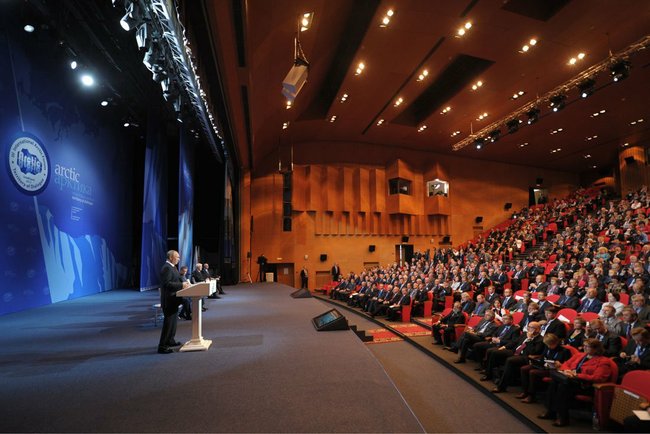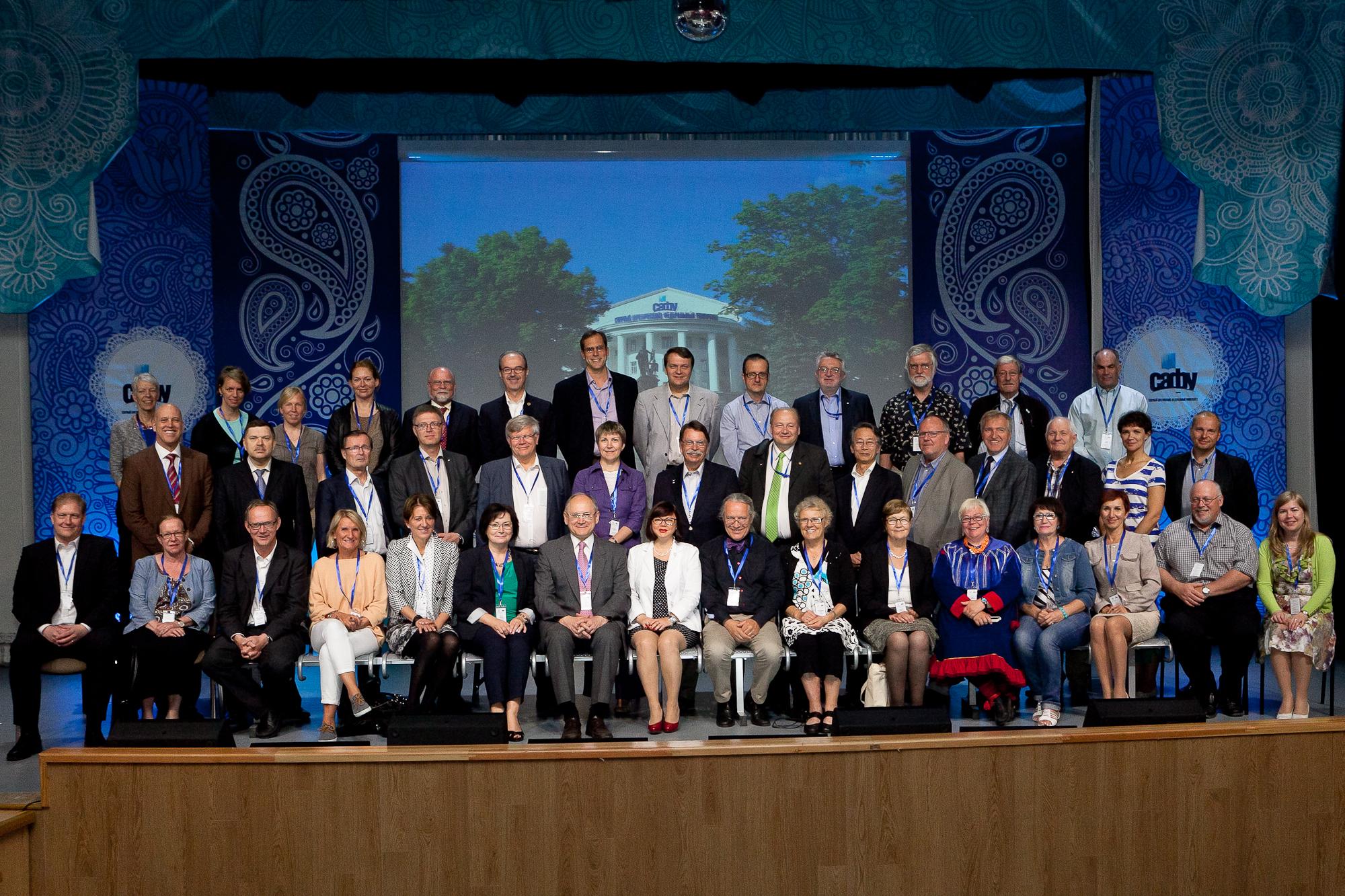
26-30 June the 7th UArctic Rectors’ Forum took place in the Northern (Arctic) Federal University, Russia; Arkhangelsk hosted this Forum for the first time. Heads of universities, remarkable experts and students from eight countries discussed the development of the Arctic Region.
The University of Arctic is a network of Arctic universities from different countries, not only northern ones. For example, there are Arctic universities in Japan and China. This proves the highest international interest to the Arctic and its resource potential.
The Forum stressed such issues as logistics, development of infrastructure and transport system in high latitudes. The main task of the Forum was to discuss how the universities from different countries meet the “Arctic challenges”.
The Forum was attended by 30 educational institutions involved in consortium of the University of Arctic. Representatives of foreign scientific foundations (such as NordForsk, program Fulbright etc.) contributed in the discussion about scientific cooperation and Arctic research.
The participants shared views on international cooperation in the Arctic. They noted that northern territories have become an example of successful international cooperation for less stable regions. Russia gradually develops bilateral relations with traditional partners: Norway, Canada, and Finland. There are prospects for project development together with the USA, Denmark, Iceland, and Sweden. These prospects are connected to such issues as development of continental shelf, hydrography, and societal security.
An important part of the Forum was devoted to environmental problems and climate change in the Arctic. For example, the effects of global warming make special requirements for certain types of work on the Arctic shelf and for hydro – meteorological support of navigation along the Northern Sea Route.
Climate change will have both negative and positive impacts on the environment, economics and population of the Arctic region. Negative consequences of human activity change the environment, affect health and traditional way of life of local population. Positive effects of climate change also exist: heating costs reduce, and opportunities for agriculture, forestry navigation on the Northern Sea Route and extraction of mineral resources increase.
There was a clear consensus among participants that universities should become regional research centers and formulate an Arctic agenda: initiate research and infrastructure projects in collaboration with business and government, train professional personnel for work in the Arctic. Joint research projects are also important since they give an opportunity to unite efforts of all UArctic member institutions.
Source
University of the Arctic