Tag: Fossil fuel

  • Fossil Fuel Exploitation

    Fossil Fuel Exploitation

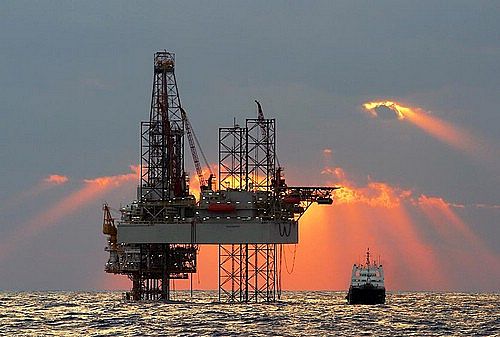
    Oil rig

    It is safe to say that the Arctic is one of the most fossil fuel laden areas in the world, even though massive exploitation has still not begun. In addition, other non-renewable resources are also immense; e.g. nickel, diamonds and gold.

    However, the exploitation of fossil fuels is more dependent on Arctic shipping and is likely to be one of the main driving forces for Trans-Arctic shipping to become a norm in the international trade industry.

    Some regions, which have experienced major prosperity, some of it quite recently, have literally been opened to massive exploitation in support of national policies for industrial development or energy security.

    Most of the regions in the Arctic have both onshore and offshore production and exploration of a variety of non-renewables. The Arctic holds a great share of the world’s oil, coal and gas reserves. At the present, the Arctic produces about 10 percent of the world’s oil and a quarter of its gas and for these critical commodities the region’s role is estimated to be greater in the future.

    Increased activity in the field of extraction of non-renewable resources is expected not only from climate change-related factors, such as increased access caused by receding sea ice, but also from changes such as improvements in offshore technology, oil-price development, and the political landscape in the Arctic. The International Energy Agency has estimated that the cost of petroleum extraction in the Arctic is about three times higher than in other petroleum provinces.

  • Geopolitical Landscape

    shipping mining

    The Arctic has in recent years, been subject to a manifold growth in its geo-strategic importance due to its rich natural resources of fossil fuel and military-political reasons. In addition to that, the Arctic faces tough challenges concerning global security and environmental issues.

    There are also international governmental organizations and major powers from outside the region which take an interest in the North. In addition, northern issues are finally being given a higher priority on the EU’s agenda and matters relating to the north have been an important concern of the United Nations for years.

    The Arctic regions represent stable political and institutional conditions, providing opportunity for permanent involvement for oil companies that elsewhere face diminishing access to oil provinces operated by national oil companies. There is a growing world wide, economic and political interest toward the northernmost regions of the globe, particularly due to the estimated fossils in the shelves of the northern seas and visions of new Trans-Arctic sea routes.

    Similarly, the new threat of piracy around the Suez Canal does not exactly deter multinational corporations from investments in utilizing energy resources or sea routes in the Arctic.

    At the beginning of the 21st century, the strategic importance of the North is becoming high on the agenda in geopolitics and world economics. Furthermore, due to a growing need for energy resources and even competition over them, rivalry and claims on northern sea areas and shelves have been developing.

    Further, significant geopolitical, socio-economic and environmental changes are occurring in the North with relevant consequences, such as risks to the environmental and human security and threats to local autonomy and sovereignty. These developments have given rise to a need for broader and deeper international cooperation both within the region and on a global level.