Tag: Grímsvötn

  • Volcanic Eruption in Iceland Comes to a Halt

    Volcanic Eruption in Iceland Comes to a Halt

    Grímsvötn

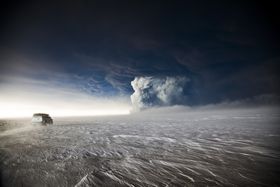
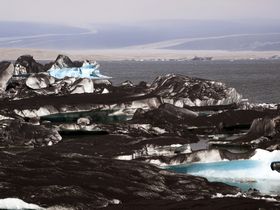
    The volcanic eruption in the volcano Grímsvötn seems to have stopped. According to eyewitnesses this morning, the volcanic column rises only a hundred meters (330 feet) from the crater. A thick layer of ash lies all around the crater on the glacier.

    The eruption in Grímsvötn has steadily grown smaller since monday. The volcanic column reached an altitude of three to five kilometers (16.000 feet) yesterday, and the output of ash is was considerably smaller than the day before, when the volcaninc column reched an altitude of 10 kilometers (32.000 feet). There have been very strong northerly winds in the area blowing the ash to the south. The winds have gone down today, according to the Icelandic Meteorological Office.

    About 100 tons of volcanic materials erupt per second from the volcano in Grimsvotn yesterday. The day before, it was about 1,000 tons per second. As a comparison the output was ten to twenty thousand tons per second when the eruption peaked last Sunday. Volcanic tremors have, however, stayed unchanged.
    Grímsvötn

    According to the Meteorological Office there have been no deep tremors and no lightning detected since midday monday. The strong northerly winds in the area yesterday, blew the ash to the south and causing much ash drift in the area but it has stopped for now.

    This explosive eruption was accompanied by great amounts of ash. The ice around the crater melts and water in the subglacial lake at Grímsvötn causes the volcanic materials to explode, creating huge volume of ash.

    This eruption has caused some problems for the residents in the small town of Kirkjubæjarklaustur at the south coast of Iceland, where ash has spread heavily on the town. This has caused serious interruption in the daily life of people who foresee a great cleanup of ash. The fine grained ash slips through very narrow cracks and fills houses and other equipments with the material. This has caused decreased air quality in the area, and some people have relocated cleaner areas.

    Grímsvötn

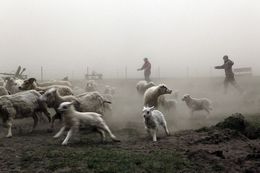
    For local farmers, the ash spread has caused some damage to the live stock and their equipment. However, the toxic content in the ash is low which means that their fields remain more or less unspoiled. In the long term, the ash serves as a natural fertilizer.

    Some disturbances in flight schedules have affected Northern Europe and Iceland, where the ash has spread to Scotland and Norway. The ash cloud is likely to spread further into the European Mainland and disrupt flights there.

    The tags below provide an opportunity to view previously posted related news within the selected category

  • Volcanic Eruption Started Again in Iceland

    Volcanic Eruption Started Again in Iceland

    Grímsvötn

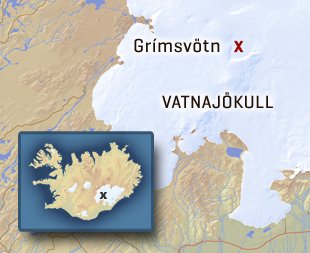
    A volcanic eruption has started in Iceland underneath the glacier Vatnajökull on Saturday around 7 PM. The volcano, called “Grímsvötn” is spewing large amounts of ash up to 11 kilometers high (35 thousand feet) up into the air.

    The ash has fallen on the southern part of Iceland. In areas where the ash cloud is very dense and the amount of fallout considerable, people are advised to stay indoors if possible, close all doors and windows and warm up their houses in order to push out the ash.

    The International airport in Keflavik, Iceland has been closed since 8:30 Sunday morning and air companies have already cancelled flights. The domestic airport in Reykjavik and many other towns are also closed so no domestic flight has been operating.

    Grímsvötn on a map

    There has been little impact on European or transatlantic flights after the Grimsvotn volcano’s eruption, where aircrafts have been diverted from the ash cloud. However, ash is expected to reach Scotland on Tuesday and could enter France and Spain on Thursday, Ash could reach the United Kingdom and northern continental Europe Wednesday. Weather patterns this weekend have been very different from the northerly winds that swept through the region after last year’s eruption. However ash cloud’s movement is difficult to predict.

    The intensity of the eruption has decreased slightly since its climax on Saturday night when the magma flow exceeded 10,000 tons per second and the ash plume reached 15 kilometers (50 thousand feet). The magma flow on Sunday afternoon was estimated to be 2-5,000 tons per second. No effusion of lava has been observed.

    Local animals covered in ash

    There has been no immediate danger to people in the area but it has started to affect live stock that can not graze due to ash cover. Lambing season in the area is finishing and farmers have to keep all their stock in their sheepcotes, which is getting more and more cramped.

    Ice-melt is not expected to be great and therefore floods or swelling of rivers in the next few days is considered unlikely.
    Grímsvötn is Iceland’s most active volcano. Usually the eruptions occur at an interval of a few years. Most of these eruptions last a few days. The eruption is very big this time. However, experts consider it unlikely to cause anything similar to the chaos of the eruption in Eyjafjallajökull in 2010.

    The tags below provide an opportunity to view previously posted related news within the selected category