Tag: increase

  • Illegal trade on increase in Russia

    Illegal trade on increase in Russia

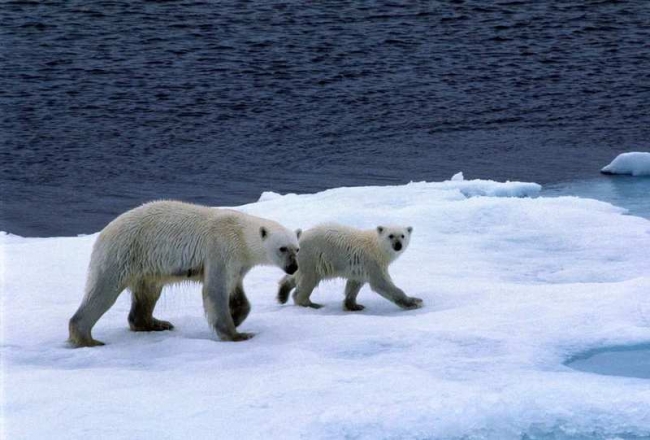
    Polar bear with cub

    Illegal trade of polar bears products is on the increase in Russia.

    Last month, WWF Russia presented study showing that illegal trade in polar bear products had been booming. Skins are for sale at 600,000 rubbles, mostly in Moscow, but internet ads also come from Murmansk.

    The environmental group in Moscow has monitored the internet over the last 20 months searching for ads selling or buying polar bear skins. 47 skins for sale have been discovered, some ads offering more than 3 skins, according to the study.

    Soviet Union outlawed polar bear hunting in 1957. Most of the skins where put up for illegal sale in Moscow, but WWF has also found skins for sale in Murmansk, St. Petersburg, Chelyabinsk, Kirov, Izhevsk, Dnepropetrovsk and Irkutsk.

    The study says the average price for a polar bear skin is 600,000 rubbles (€14,940), sharply up compared with black-market prices ten years ago.

    There are between 5,000 and 7,000 polar bears in Russia. Those in the Barents Region are partly migrating between the Norwegian archipelago of Svalbard and the Russian islands of Franz Josef Land and Novaya Zemlya.

    Source
    Barents Observer

  • A 750% increased shipping traffic in NSR

    A 750% increased shipping traffic in NSR

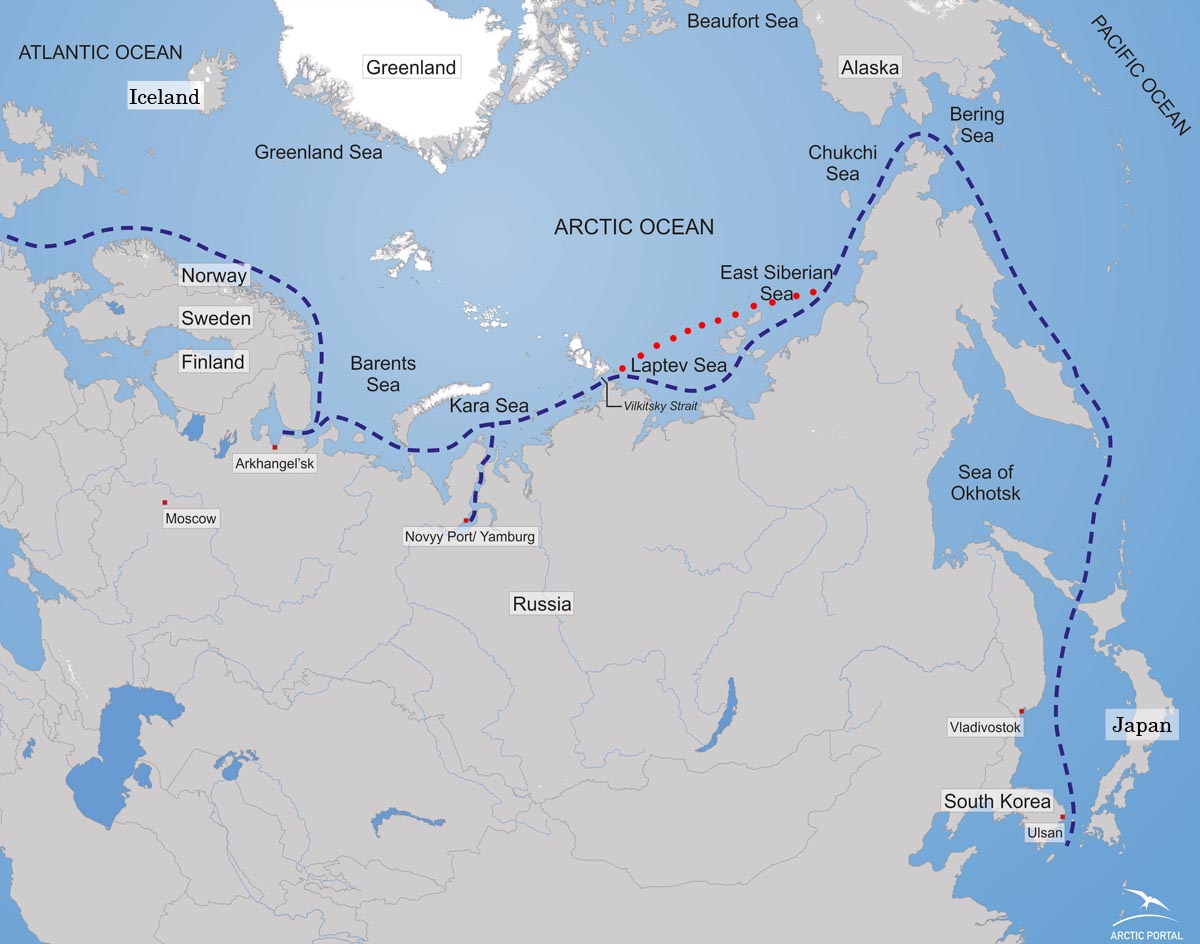
    Map of the Northern Sea Route

    The Northern Sea Route was busier then ever this year. In total, 34 vessels used the route, a significant increase from only 4 in 2010.

    The route was open for one month longer than last year, but this still shows that the route is becoming more feasible and more popular.

    The number is for ships that sailed from Murmansk to another country, Russians being the leading shipping operators in the NRS.

    The cargo in 2010 was 111.000 tons but in 2011 it went to 820.000.

    15 of the 34 vessels transported liquid cargo (682.000 tons), three carried bulk (110.000 tons), four refrigerator ships transported salmon (27.500), two vessels transported general cargo and ten vessels sailed in ballast, according to the Barents Observer.

    This year also saw the largest super tanker and the largest bulk carrier to go through the route.

    The map illustrates a new route, which opened up in the summer.

    Sources: Rosatomflot, RIA Novosti and BarentsObserver.