Tag: IPY

  • International Polar Year 2012

    International Polar Year 2012

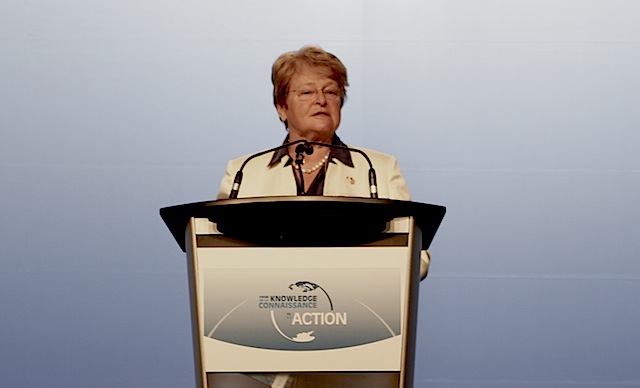
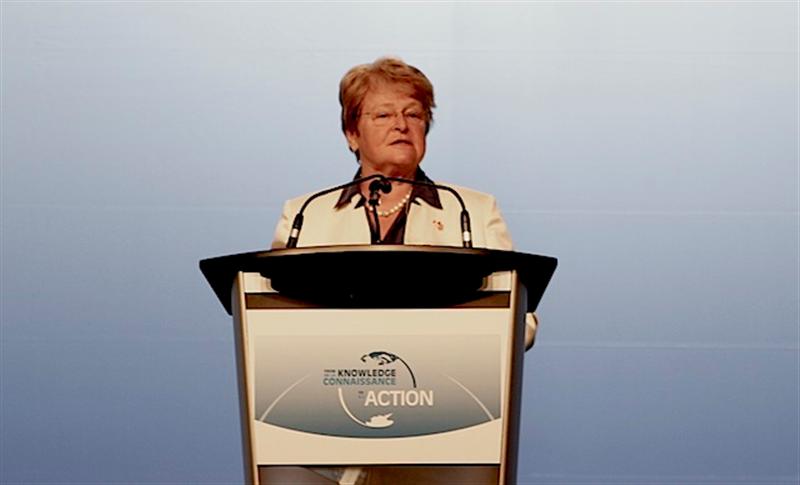
    Gro Harlem Brundtland giving her keynote speech at IPYUnder the auspices of International Polar Year, co – sponsored by the International Council for Science and the World Meteorological Organization, more than 3,000 scientists from all over the world came together during the IPY 2012 ´”From Knowledge to Action” Conference, to greatly contribute to this knowledge sharing and current Arctic problems solving initiative.

    International Polar Year (IPY) was initiated as international cooperative research dynamism and first introduced in 1882-1883. Its main objective was and still is, to provide scientific information about the fundamentals of meteorology and geophysics as well as to enhance all people’s knowledge and awareness about Polar Regions and associated, ongoing changes in both, opposite poles.

    The initial idea of international cooperative polar research came from an Austro-Hungarian explorer and naval officer Lt. Karl Weyprecht who was a scientist and co-commander of the Austro-Hungarian Polar Expedition of 1872-74. Many of the earth’s unique phenomena, such as circulatory systems for air and water and the Earth’s magnetic field lines reach the surface in the polar areas. In addition, thick glaciers have trapped air and water from ancient times, which makes it easiest to observe these phenomena near the poles.
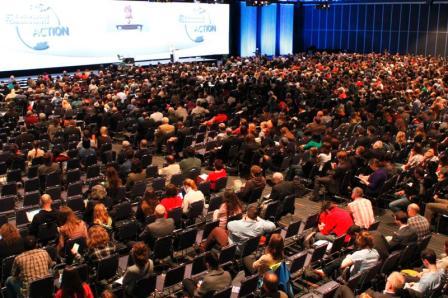
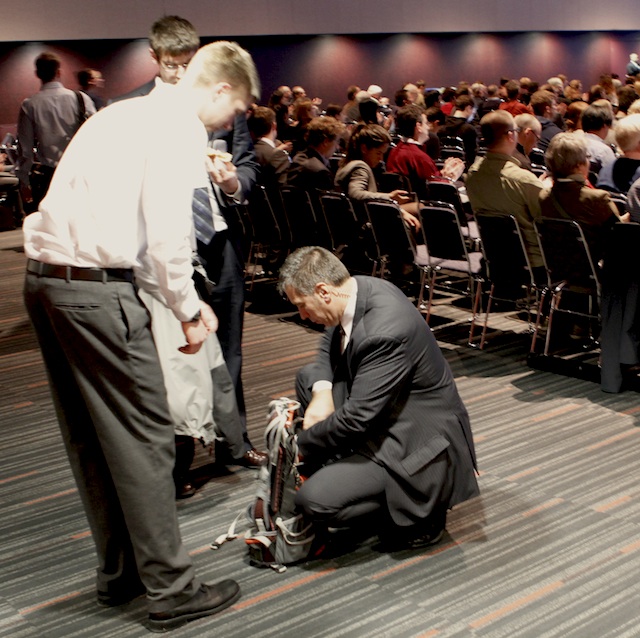
    IPY 2012 Delegates gathered at the Conference HallWeyprecht realized that a comprehensive polar research could not be a task of a one nation only, but should involve a coordinated international effort. He recognized that a time of mere geographical discovery had past and a series of coordinated expeditions dedicated to scientific research should be undertaken to further peoples understanding on fundamentals of meteorology and geophysics.

    Unfortunately, he died before the international research became a reality, but his inspiration led to an establishment of the largest coordinated series of scientific expeditions ever undertaken in the Arctic during the 19th century, or to what is now known as the First International Polar Year.

    The first IPY was announced between the years of 1881 – 1883, where eleven nations came together to establish fourteen principal research stations across the Polar Regions.

    The Second IPY, which took place in 1932 – 1933, was both proposed and promoted by the International Meteorological Committee. The main objective of the second research initiative was to investigate the global implications of the newly discovered “Jet Stream” and to conduct magnetic, aurora and meteorological observations at a network of research stations in the Arctic and Antarctic. It gathered researchers from more than forty different countries and came out as a great success in terms of scientific contribution.
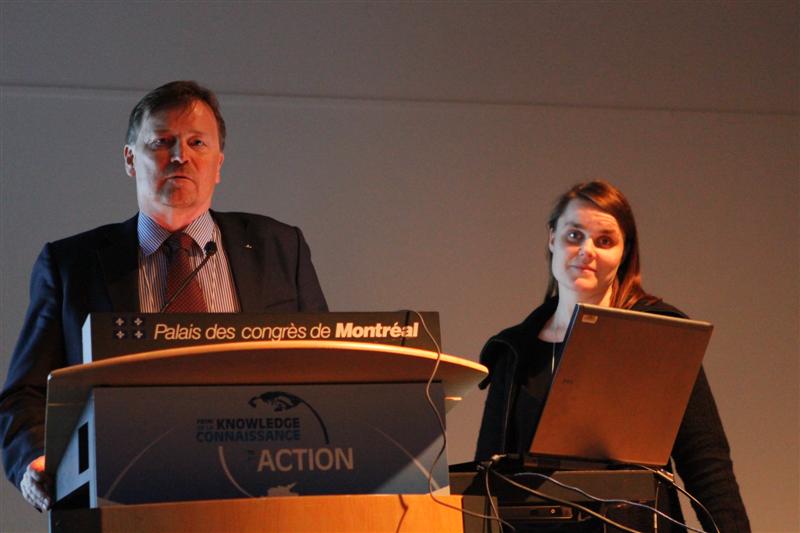
    Halldór Jóhannsson and Leena-Kaisa Viitanen from Arctic Portal introducing the Arctic Data SquareThe third IPY was dedicated to the research on technology and science in the upper atmosphere and it was finally renamed to become International Geophysical Year (IGY).

    The fourth IPY took place in 2007 – 2008 and happened to become the gigantic international scientific project with close to 10 000 scientists and 50 000 other participants from over 60 countries. The aim was to significantly increase the scientific knowledge and understanding of the polar areas and to conduct research projects beyond the resources of individual countries.

    This year´s event took place in Montreal, Canada between 22nd and 27th of April. Main objective of the initiative was bringing the knowledge from former gatherings into action, as suggested by the conference’s theme. IPY 2012 drew attention of more than 3,000 international scientists to the Polar Regions, related ongoing challenges of globalization and climate change plus social and economical issues. Participants included Arctic and Antarctic researchers from all over the world and various fields of expertise such as policy and decision making, law, academia, industry and environment, representatives of non – governmental and non – profit organizations and circumpolar communities, including indigenous peoples from Russia and Northern Canada.
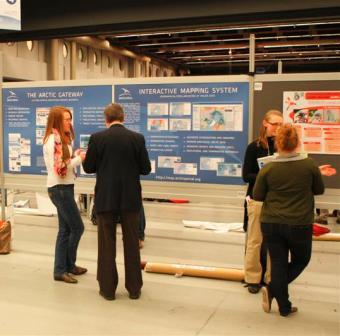
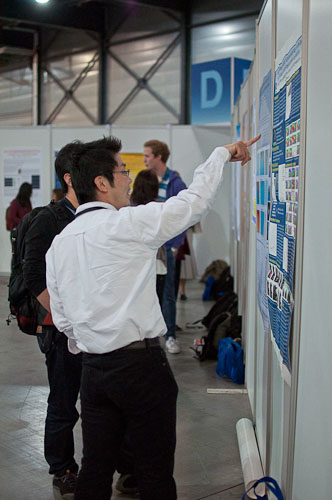
    Poster sessions attracted many of the IPY 2012 participants.The conference welcomed speakers from various Arctic related disciplines, including experienced professionals, early career scientists and graduate students. They had a chance to perform during parallel sessions and feature presentations on the latest results from the natural, social, indigenous and health research.

    Each day of the conference began with a keynote session and the plenary panel discussion. Matters generally touched on current environmental and political changes in the Polar Regions. They were addressed by experienced Polar officials from eight Arctic states and led to promotion of science based decision making process for the Polar Regions as well as cooperation and partnership with international industries, particularly focused on oil and gas exploitation. In addition, keynote sessions succeeded on bringing indigenous matters to the public awareness with the specific focus on environmental, health and social problems.

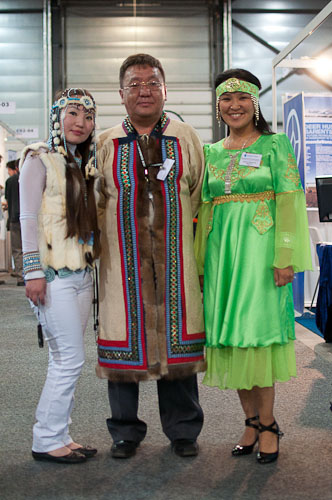
    The integration of scientific research with the indigenous knowledge was the important aspect of this year´s conference. Representatives of the communities from Russia and Northern Canada shared the extensive intimate knowledge about the Arctic ecosystems in which they have lived for millennia. The deep understanding of the indigenous relationship with unique Arctic ecosystem, fate control, culture and spiritualism, greatly contributed to the holistic understanding of the Arctic.

    The IPY 2012 invited participants for indigenous knowledge exchange panels as well as offered a space for action forums which brought up interactive discussions on current issues facing the Polar Regions. Discussions combined the knowledge from various disciplines and sectors including industry, policy, civil society, academics and indigenous representatives.

    Cirque du Soleil performs at the closing ceremony.Verity of workshops was available to all participants, concentrating on introducing science to policy makers and vice versa. Implementing current scientific knowledge and adjusting to ongoing changes was the main objective for the workshops organizers. Stimulating talks from Arctic Community members encouraged academics from educational institutions to try new spectrum of activities, experiments and lessons that would be possible to be adapted in their own classrooms. Association of Polar Early Career Scientists held the workshop on career development during the first two days of IPY 2012.

    Conference delegates had a chance to complement their active participation in the sessions with a number of different tours, including technical and cultural tours, which were being offered through the whole week and were organized by local, polar – related facilities such as Canadian Space Agency, Ouranos Climate Change Research Consortium, Effigis, and Canadian Meteorological Center. Participants could visit the old port in Montreal, where CCGS Amundsen research icebreaker is currently based and opened for public visitors.

    Arctic Council secreteriat Gustaf Lind in a press conference in IPYThe experience of Inuit culture could be accomplished at the Avataq Museum Reserve, where the collection of close to 2000 Inuit works is placed. McCord Museum, which since 1967 has been promoting the works of artistes from Nunavik in Northern Quebec, presented the Modern Inuit Exhibition.

    The IPY 2012 ´´From Knowledge to Action´´ was one of these year´s most important scientific gatherings for polar science and governance, climate change impacts and adaptation. More than 3,000 participants attended the conference which was more that pre – registered.

    Please, visit our online gallery to see more pictures from IPY 2012 “From Knowledge to Action”.

    Text: Arctic Portal
  • Future for Arctic marine use

    Future for Arctic marine use

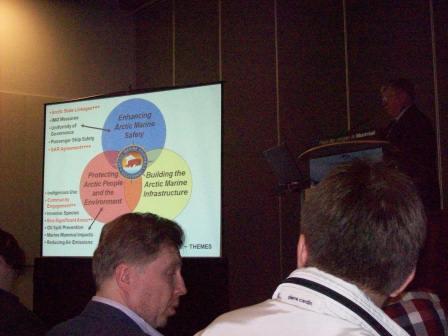
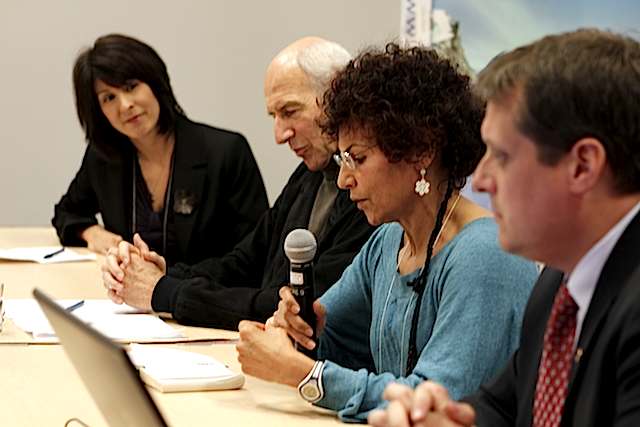
    L. W. Brigham gives the speech on outcomes from AMSA report

    On Wednesday, 25th of April 2012, during the IPY Conference prof. Brigham gave a speech on key drivers and futures for Arctic Marine use.

    He stressed globalization, climate change and geopolitics as key drivers of the profound change in the Arctic. For the Arctic Ocean and marine traffic, this change is driven primarily by Arctic natural resource development and marine tourism. This was one of the key findings of work done by the Arctic Marine Shipping Assessment (AMSA) of the Arctic Council during 2005-09. The scenarios creation effort in AMSA indicated that the two most important (and uncertain) drivers, of many, were (A) the level of natural resource development and trade, and (B) governance (the degree of stability of rules and regulations for Arctic marine navigation).

    Mr Brigham highlighted, that nowadays we see expanded Arctic marine transport systems evolving in offshore Russia, Norway, Greenland, and potentially in the U.S. maritime Arctic in summer 2012. Existing year-round marine transport to the world’s largest nickel mine (Norilsk Nickel) in Northwest Russia, and seasonally to the world’s largest zinc mine in northwest Alaska (Red Dog) are well established. Plans are being made to link a large, high grade iron ore mine on Baffin Island in Canada to European steel producers. All of these marine systems indicate much greater links of the Arctic to the global economy.

    Recent experimental voyages across the Russian maritime Arctic by tankers and bulk carriers confirm plausible, summer marine routes eastbound from northern Norway and the Russian Arctic to markets in China. Cruise ship traffic by medium and large ships continues to increase in western Greenland. Importantly, continued Arctic sea ice retreat creates greater marine access throughout the Arctic Ocean for science and commercial marine operations; longer navigation seasons during the summer are a reality today.

    One of the key factors that must be kept in mind is, despite the extraordinary changes in Arctic sea ice thickness, extent and character (moving to a future Arctic Ocean without multi-year ice), the Arctic Ocean will remain fully or partially ice-covered during the winter and much of the spring and autumn. Polar class ships will be required for future operations once a mandatory Polar Code of Navigation is promulgated by the International Maritime Organization.

    Action is also being taken by the Arctic Council and the Arctic states to address future Arctic marine use: a new binding Arctic Search and Rescue Agreement gained approval in 2011, and a new Arctic Oil Spill Task Force is developing a second instrument to address this critical issue. There is little doubt globalization of the Arctic and regional climate change are closely coupled, and they will have immense influence over future marine use and the strategies developed to protect Arctic people and the marine environment.

  • A million dollar prize

    A million dollar prize

    Arctic Inspiration prize grant announced

    A new award was introduced today here at the IPY 2012 conference in Montréal, Canada. The new price is for 1 million Canadian Dollars. The price is the Arctic Inspiration prize.

    It will be rewarded annually to a group or individual who makes an extraordinary contribution of gathering Arctic knowledge and their plans to implement this knowledge, for the benefit of the Canadian Arctic, its peoples and therefore Canada as a whole.

    The award will be given to teams working in the Canadan Arctic, but the teams can be from anywhere in the world. The first prose will be rewarded in December this year.

  • Gro-Harlem wants bolder decision making

    Gro-Harlem wants bolder decision making

    Dr. Gro Harlem Brundtland making a speech

    Gro Harlem Brundtland said in her keynote speech at the IPY 2012 conference in Montreal that not enough has been done for the last 20 years in decision making regarding environmental issues. This years marks the 20 year anniversary of the Rio conference, where the all important Rio declaration was signed and ratified.

    Dr. Brundtland, the former prime minister of Norway and a special envoy of climate change to the United Nations, encourages for more cooperative research in polar sciences.

    “We also must ensure an easy access of data from the International Polar Year to the benefit of all researchers and communities,” she said before a crowd of over 2000 people in the Palais de Congrés in Montreal.

    “We must also develop and maintain the important research stations, where both all states and participants should work together,” she said, again encouraging cooperation.

    Talking about the progress after the Rio summit in 1992, she said that although some progress has been made, it is not enough. “Much has happened in 20 yeas, but not enough. Now, global warming is rapidly increasing, as well as the whorl population,” she said.

    Dr. Brundtlant also mentioned that in a report she delivered last January, it was projected that the world demand for resources world grow fast, especially for food, water and energy.

    “We need to identify what is important, the world needs to put scent on top for sustainability. The scientific research must point the way to the best decision making,” she said.

    Coming up this summer is the Rio+20 summit, where she sees reason for optimism. “We need bold decision making in the Rio summit.”

    She also identified polar research as more important then ever. “What is happening in the polar regions is more important for the whole world then we thought. Now we know its value,” she said.

  • High security at IPY in light of protest

    High security at IPY in light of protest

    High Security at IPY in Montreal

    The security at the IPY 2012 conference is very high, especially today. the last few days have been underlain by protesters here in downtown Montreal.

    The students are protesting the decision of the government of Québec to raise the tuition fees. The fees will rise of 500 Canadian dollars for the next five years.

    Around 100 people have been arrested in the protest which has seen the police using teargas to distribute protesters.

    Arctic Portal has learned that the Quebec government has been raising taxes, especially on both the health care system and now education. Together they are around 70% of the income of the government.

    The government wants to ensure the quality of the education system and therefore it feels the need to raise the tuition fees.

    There are many security guards around the conference, searching bags and ensuring everything is safe. There were great concerns of protesters smuggling in the conference rooms to protest Jean Cherast, the Premier of Québec.

    The tensions in the conference room were high but no protest was carried it whilst Cherast made his speech.

  • IPY 2012 – From Knowledge to Action

    IPY 2012 – From Knowledge to Action

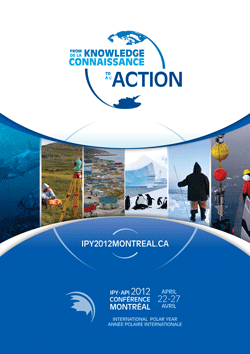
    IPY 2012 poster

    The International Polar Year – IPY 2007-2008 will be wrapped up for the final time next week 22-27 April in Montréal in the “From Knowledge to Action – IPY 2012 Conference”. The conference will bring together nearly 2300 participants in 4 plenary panels, 156 parallel sessions and 12 high-level action forums on Polar research engaging Arctic and Antarctic researchers, policy- and decision-makers, and a broad range of interested parties from academia, industry, non-government, education and circumpolar communities including indigenous peoples.

    International Polar Year (IPY) is an international cooperative research initiative with an objective to provide scientific information about the fundamentals of meteorology and geophysics as well as further people’s knowledge on the Polar Regions.

    The First International Polar Year was held between 1881-1883. Eleven nations took part in establishing fourteen principal research stations across the Polar Regions. Twelve research stations were located in the Arctic, along with at least 13 auxiliary stations, and two in the Antarctic. A vast amount of information was gathered between 1881 and 1884, but in the lack of a centralized coordination of analysis and publication of the results, no fundamental discoveries were made as a result of the first IPY. Each state published their observations independently and the International Polar Commission dissolved in the aftermath of the project.

    The Second International Polar Year was both proposed and promoted by the International Meteorological Committee. The main objective of the second research initiative was to investigate the global implications of the newly discovered “Jet Stream” and to conduct magnetic, auroral and meteorological observations at a network of research stations in the Arctic and Antarctic. Some 40 countries participated in the establishment of 40 permanent observation stations in both Arctic and Antarctic. Following, the data collected during the two-year period became the foundation of the International Meteorological Organization and promoted further research, such as the International Geophysical Year (IGY), 1957-1958, often called the third International Polar Year, which celebrated the 75th and 25th anniversaries of the First and Second IPYs.

    International Polar Year logoThe latest International Polar Year 2007-2008, the one celebrated at the Montréal Conference, was organized through the International Council for Science (ICSU) and the World Meteorological Organization (WMO). It was gigantic international multidisciplinary collaborative with around 10 000 scientists and 50 000 other participants from over 60 countries. Main objectives of this megaproject were to significantly increase the scientific knowledge and understanding of the polar areas, especially the wide-ranging and significant impacts of climate warming in the Arctic and Antarctic, and to conduct research projects beyond the resources of individual countries.

    In addition, the Polar Year 2007-2008 aimed at educating a new generation of polar scientists and engineers and raise awareness of the public and policymakers of the importance of the polar areas for the entire planet. The disciplinary breadth of the third IPY far exceeded the previous Polar Years of 1882, 1932 and the 1957 IGY providing more comprehensive picture of the polar areas.

    The “IPY 2012 – From Knowledge to Action” Conference will contribute to the translation of new polar scientific findings into an evidence-based agenda for action that will influence global decisions, policies and outcomes over the coming years.

    To learn more about the IPY 2007-2008, please page through the ICSU/WMO IPY Joint Committee summary “Understanding Earth’s Polar Challenges: International Polar Year 2007-2008”. The comprehensive, 720p. summary of IPY activities covers the development of IPY 2007–2008 for almost a decade, from 2001 till summer 2010 and demonstrates the extensive and essential contribution made by participating nations and organizations, and provides a prospective blueprint for future polar research.

  • IPY Joint Committee Summary – Pre-publication orders

    International Polar Year 2007 - 2008 Summary

    The International Polar Year (IPY) 2007–2008, co-sponsored by ICSU and WMO, was the largest coordinated research program in the Earth’s polar regions, involving over 50,000 researchers, local observers, educators, students, and support personnel from more than 60 nations in 228 international IPY projects.

    A comprehensive summary of the research initiative “Understanding Earth’s Polar Challenges: International Polar Year 2007-2008” is now available in online form HERE.

    The published volume produced by the Canadian Circumpolar Institute in Edmonton, Canada in collaboration with the University of the Arctic will be released in May 2011. Pre-publication, discount price (175CAN plus shipping) print orders can be ordered til 31 march 2011 by using the form available here

  • Ipy day 2

    Ipy day 2

    IPY conference day 2The second day of the IPY conference was just as intriguing and informative as day number one. There were a vast number of session all around, many interesting movies in the polar cinema and grand exhibits in the polar expo.

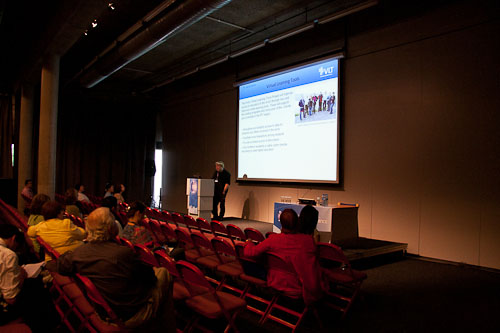
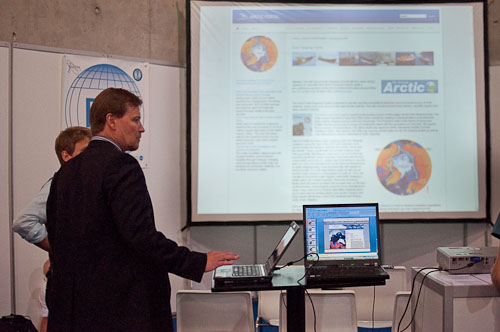
    The Arctic Portal held a presentation of the Virtual Learning Tools a project it is cooperating with The UArctic, APECS, ICR, University Centre of the Westfjords and the Stefansson Arctic Institute. The project will create a set of modern learning tools with the special requirements of Arctic residents in mind. For further information about the project go here.Additionally to giving it’s own presentation the AP staff was present at numerous presentations by some of the worlds leading scholars in polar science.

    grill_1_of_1The day ended with a barbecue out on one of the archipelagos stretching into the Oslo fjord. The event was held by the Frammuseum which is dedicated to the ship Fram and the history of Norwegian polar explorations. The trip started by Akerbryggja and included a 15 minute trip with the local ferries. The barbecue and museum exhibition were quite a success and the guest generally like the moose hotdogs that were on the menu.
  • IPY day 1

    IPY day 1

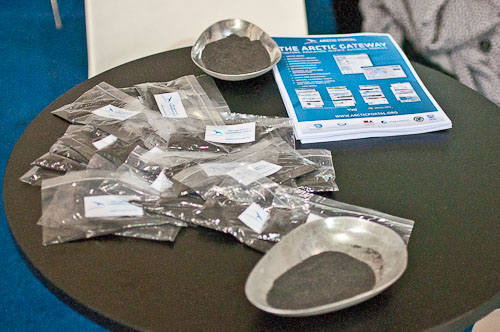
    ipyos2_3_of_12Day number one was quite hectic for the Arctic Portal, additionally to all the sessions and presentations we were interested in participating in we brought some volcanic ash. The ash from Eyjafjallajökull was a instant success and people highly interested in seeing this little trouble maker that affected all our lives not so long ago. It is fun to mention that among those presented with the ash was his highness Prince Albert of Monaco.

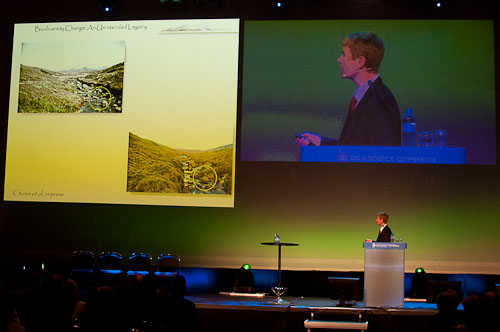
    ipyos2_2_of_12After the grand opening ceremony the sessions started under the six themes. You almost feel that it is a shame that all of this is happening at once since there are always more than one interesting sessions occurring at any given moment so choosing between them is quite a challenge.
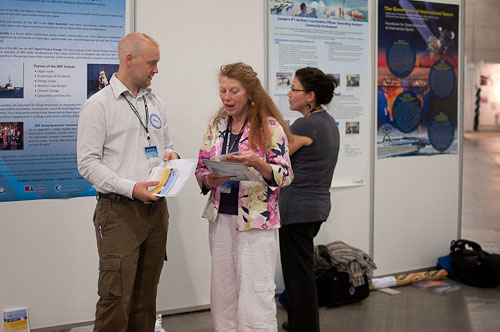
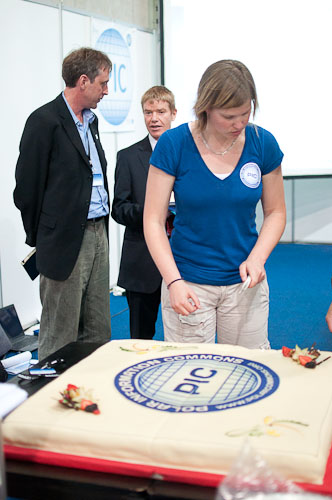
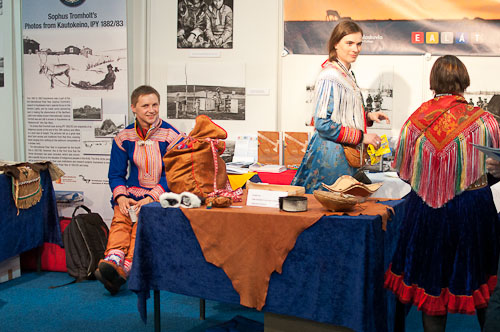
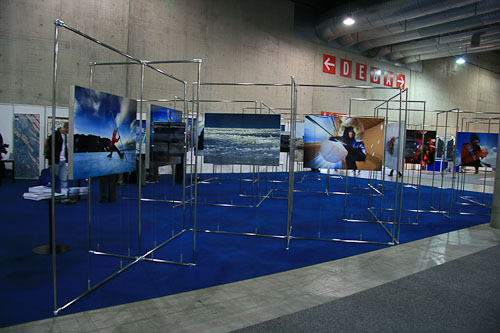
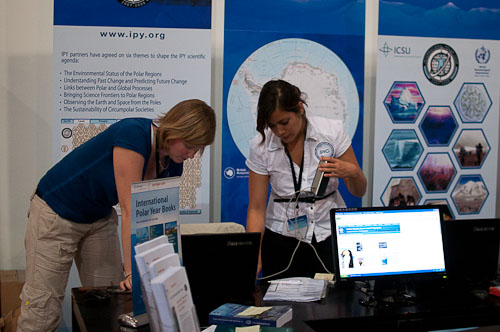
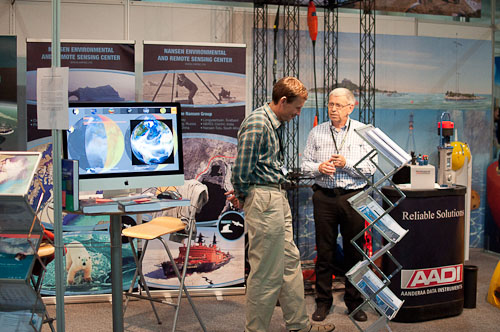
    ipyos2_5_of_12The polar Expo is located in a very large area and has almost all things polar on display ranging from small posters to massive arctic vehicles. The polar information commons were officially launched 16:15 and aims to insure that the IPY data legacy are more generally open and accessible and safely preserved for future generations.
    To finalize a good day, apecs through a reception which was recorded by the arctic portal and will be made available by APECS in the near future. The reception was a complete success as it gave young scientists a opportunity to mingle with more experienced researchers. Additionally to being a truly good party APECS signed an agreement with UArctic for further cooperation.

    ipyos2_1_of_12

    ipyos2_4_of_12

    ipyos2_5_of_12

    ipyos2_7_of_12

    ipyos2_6_of_12

    ipyos2_8_of_12

    ipyos2_9_of_12

    ipyos2_10_of_12

    ipyos2_11_of_12

  • The IPY Opening ceremony

    The IPY Opening ceremony

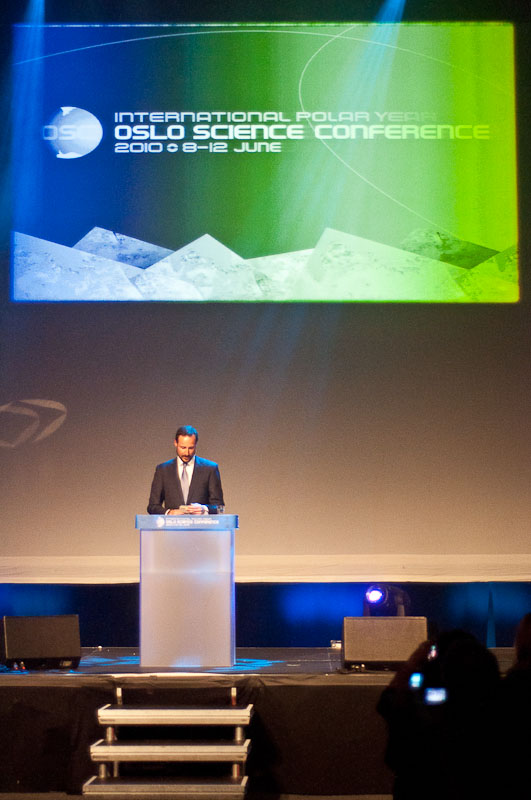
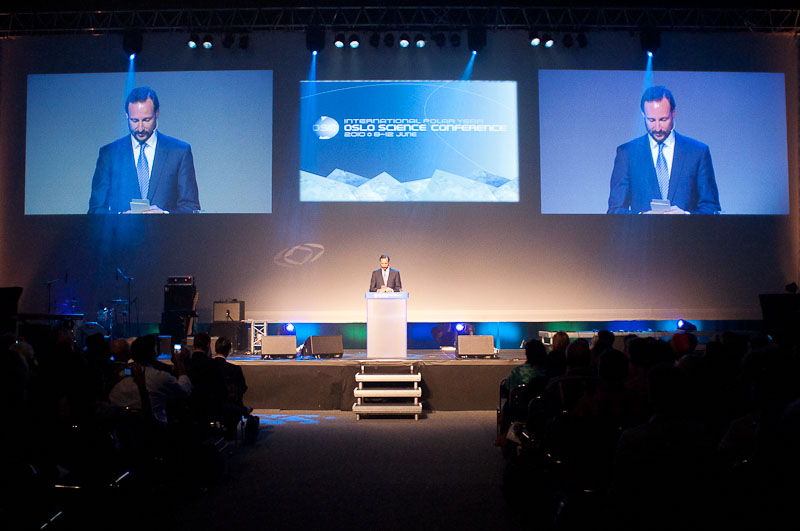
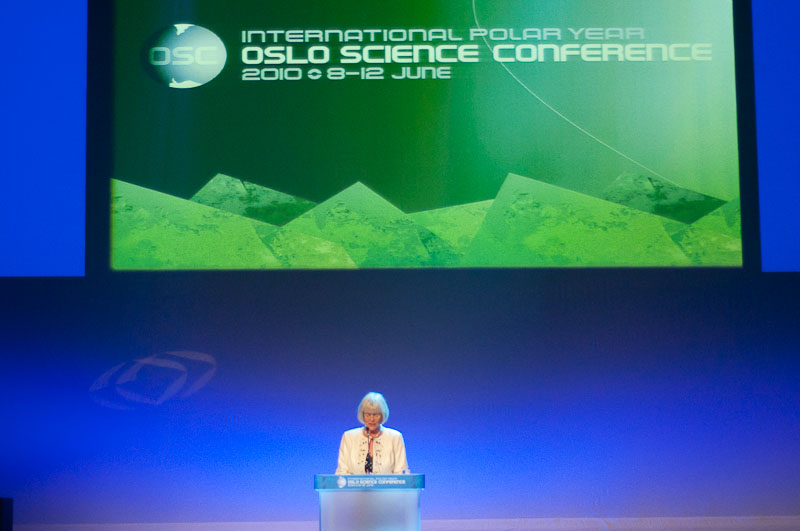
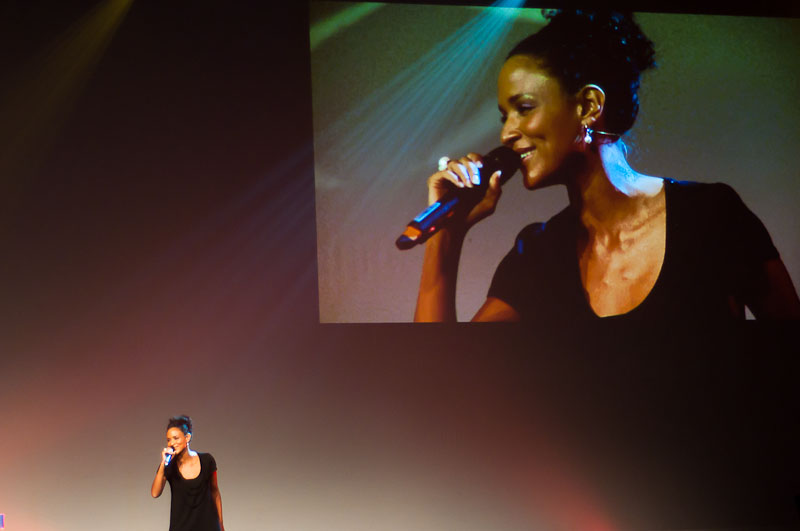
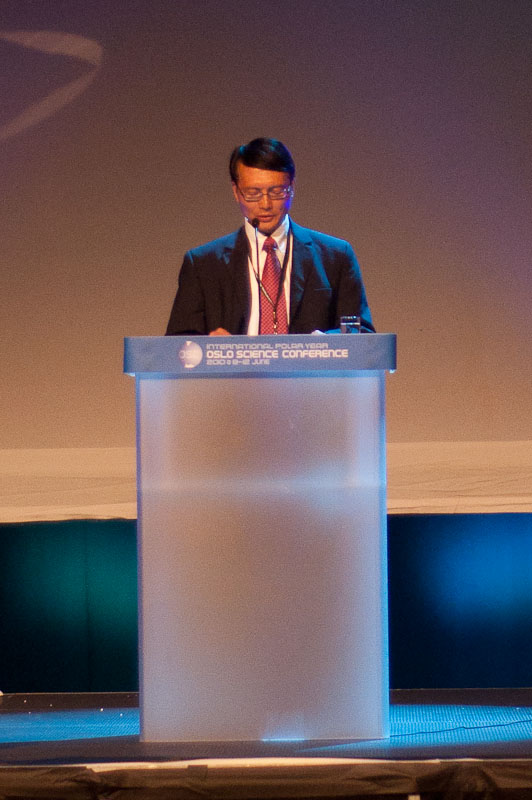
    The IPY opening ceremony started at 8:30 this morning. The Ceremony was a spectacular show featuring music and dance followed by a number of distinguished speakers most notably prins Håkon of Norway. There was a general consensus among the speakers that this event, the international polar year was a extraordinary event and a rare pleasure as almost 50.000 researchers from 60 countries have participated in the IPY.

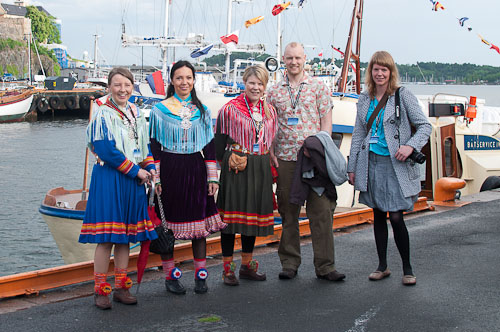
    The ceremony was well attended and it was obvious that this event had been highly anticipated. To give you a glimpse of the events we take a look at the pictures below

    IPY Opening CeremonyIPY Opening CeremonyoiIPY Opening Ceremony


    IPY Opening Ceremony

    IPY Opening Ceremony

    The Arctic Portal will continue with our coverage as the conference continues.