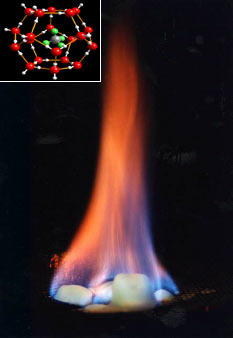
Methane clathrate, also called methane hydrates, methane ice or fire ice is something that most of us are perhaps not to familiar with but could potentially have great significance for future energy use globally and especially in the Arctic.
Methane clathrate is a crystaline form of methane gas and pure water that exists when pressure is sufficiently high, or temperature sufficiently low. Given that these conditions exist the substance looks like a lump of ice. The quantity of the substance is staggeringly abundant estimated about 300,000 trillion cubic feet locatid at the bottom of the ocean all over the world and in the Arctic permafrost. It is believed to be the cleanest and most abundant source of energy in the world.
There is however naturally a big if involved as it’s harvesting and utilization is extremely complex. Once the material is extracted from either it’s pressure drops or temperature rises the material will expand 164 times, representing significant storage and transport issues. Due to it’s obvious problems the utilization of Methane clathrate is in it’s early stages.
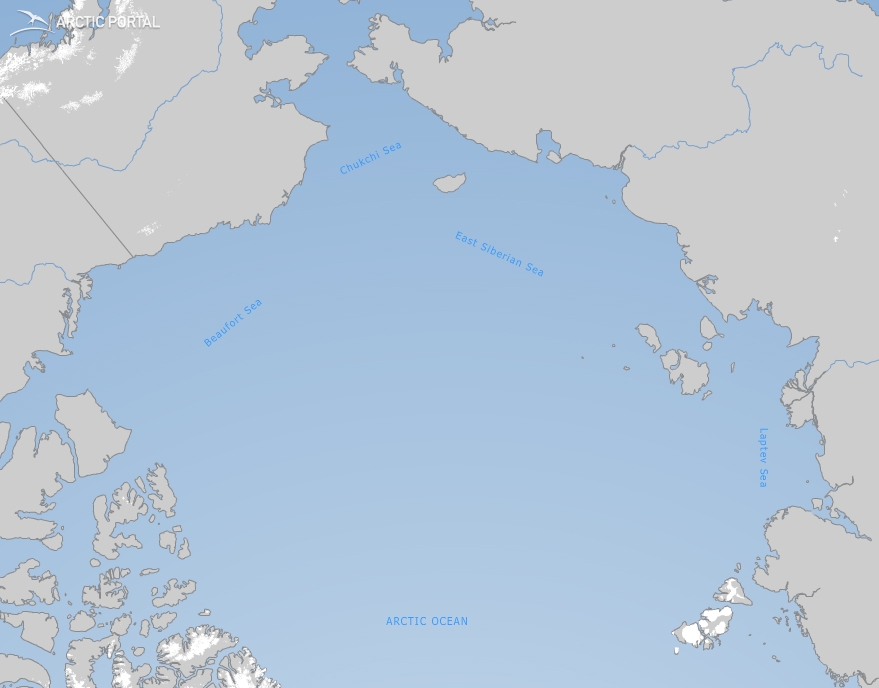
A Japanese and Candadian Science project was just concluded in the Mackenzie Delta. Over two winter the researchers drilled down more than a kilometer into a 150 meter thick layer by the edge of the Beaufort Seat at Malik which contains the most concentrated known deposit of the frozen fuel in the world. Initial results are a step in the right direction as scientists were able to sustain steady flow of gas from the hydrates for six days, where previous attempts have only sustained the flow for a few hours.
“It’s a landmark, no doubt about it,” says Ray Boswell, technical manager of the U.S. government’s gas hydrate program. Even if there are significant challenges in the utilization of Methane clathrate or Fiery Ice but due to the quantity available of the substance and it’s environmentally friendly attributes compared to other sources of energy future developments seem to be something one should definitely be on the look for.
Source: Arctic Focus