Tag: oil and gas

  • Svalbard for petroleum activities?

    Svalbard for petroleum activities?

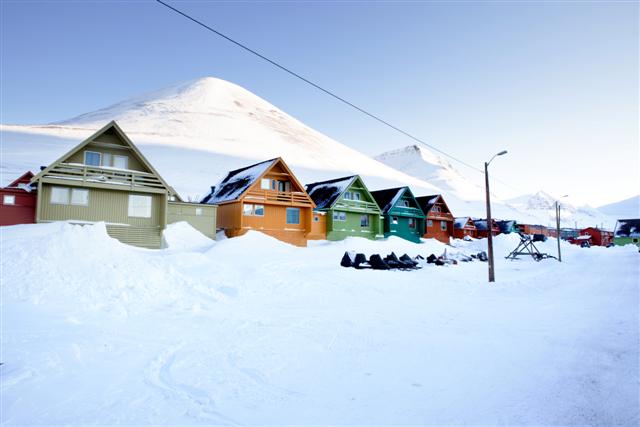
    Longyearbyen, Svalbard

    The Norwegian government is looking into the possibility of using Svalbard for oil and gas infrastructure. The unique nature of Svalbard has until now been thought to fragile for any kind of petroleum work.

    The increased petroleum activities in the northern seas are reaching Svalbard but it is said to be influenced heavily by geopolitics, politics, commercial interests and environmental protection.

    The Norwegian Ministry of Environment has asked for Svalbard to be evaluated as a world heritage site by UNESCO.

    In relation to that work, it will be assessed what impacts it would have on Svalbard to be any kind of use for petroleum activities in the northern Barents sea, these include logistics, supply, and land bases, says Eldbjørg Waage Melberg from the oil ministry.

    Oil analyst and former Secretary of State for Petroleum and Energy, Hans Henrik Ramm, believes it will be a huge mistake to look away from new business opportunities on Svalbard.

    „You must use balance different interests, including industrial opportunities. It is not reasonable to adopt protective measures to limit future choices, especially if it involves the transfer of decision making from Norway, as one does by seeking World Heritage status,” says Ramm.

    Norway produces coal in Svalbard but tourism and research are high on the agenda on the archipelago, as well as the Svalbard University Center.

    Sources
    Tekniske Ukeblad

    UNESCO

  • Statoil biggest in 2011

    Statoil biggest in 2011

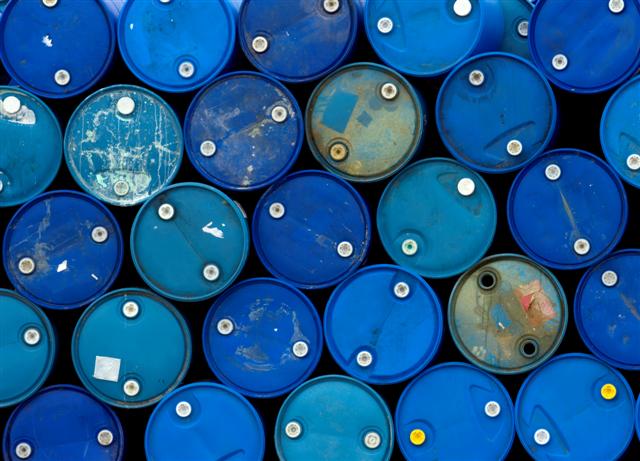
    Oil Barrels

    The most value of resources in 2011 in the oil and gas industry was found by Norwegian company Statoil.

    In 2011 Statoil discovered six so called high class drilling sites, each giving more than 250 million barrels of oil.

    According to Rystad Energy, this is the biggest founds last year over all oil companies in the world. The value of the resources is thought to be around 5 billion dollars.

    The research also found that Norway was the biggest production oil company in 2011.

    One of the discoveries was outside of Tanzania, an enormous well almost as big as the highly productive Snow White area, north of Norway.

    Statoil´s vice president, Tim Dodson, says that three things explain the success. Firstly, how quickly the company can move in search for new areas when the competition is this big, secondly the ability to drill a selection of boreholes in highly productive areas, meaning they take high risks, and lastly the positioning of the company which has high stakes in rich areas such as Norway and the gulf of Mexico.

    Dodson said the company spends three billion dollars each year in research. “That means we must have high success to justify the expenditure,” sais Dodson.

    Source

    Tekniske Ukeblad