Tag: oil spill

  • Agreement to sign oil spill response treaty

    Agreement to sign oil spill response treaty

    Össur signed the agreement

    The eight member states of the Arctic Council have agreed to sign a binding treaty concerning response for potential oil spills in the Arctic.

    This was agreed yesterday in a meeting in Reykjavík, Iceland.

    The joint defense and response agreement will be developed over the coming months.

    The specific meeting about this issue in Reykjavík saw 70 representatives talk about the issue, with the conclusion of agreeing to sign a binding agreement, with the joint responsibilities.

    The cooperation will amongst other things, touch on information sharing and response exercises. The countries already have various equipment and knowledge on the issue, but it might be different between countries how well they are prepared.

    “This is a huge agreement,” foreign minister of Iceland, Össur Skarphéðinsson, told Fréttablaðið newspaper.

    “This agreement is historic and a very important step for us, because this agreement has been one of the cornerstones of Iceland’s Arctic policy in recent years and I especially welcome that the agreement is signed in Reykjavík,” he added.

    Source
    Fréttablaðið

  • Lack of information on Arctic oil spill

    Lack of information on Arctic oil spill

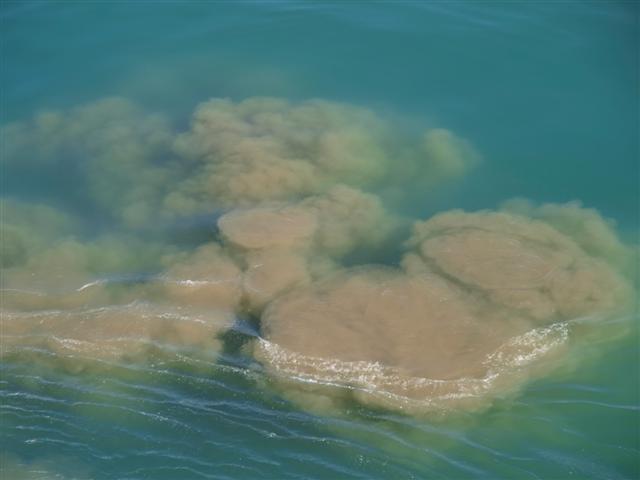
    Oil spill in an ocean

    Too little information about damage from the Trebs oil field spill is being criticized by environmentalists. The spill happened in April but little information has been released about its extent.

    According to some sources a total of 400 cubic meters of oil, or some 800-900 tonnes, leaked daily for more than two days. The field holds about 153 million tons of oil.

    The information is lacking from the oil companies in question, and the lack of an independent observation of the cleanup efforts, according to Barents Observer.

    According to Vadim Krasnopolsky, who works at the WWF’s Barents Sea regional office in Murmansk, that the spill covers more than 40.000 square meters. However information recognized from satellite images of the field was not passed directly to public.

    Krasnopolsky states that the companies which cause the damage do not have an obligation to inform the community how big is the spill, if it does not affect people directly.

    Lack of communication with the oil, gas and shipping companies does not allow to estimate how long the cleanup will take or how big the pollution extent is.

    Much of the oil has been absorbed by snow, and that has helped to minimize the ecological damage. However, the snow needs to be removed from the area before it melts with the spring thaw, which usually begins around the end of May. Krasnopolsky said to Barents Observer that the snow removal is “quite difficult work” and most of it needs to be done by hand.

    The Russian oil companies, Lukoil and Bashneft, have put out boons to encircle the spill and are making efforts to clean the site, Krasnopolsky explained. The WWF did propose that an independent representative would have a look at the area, once the cleanup was completed. But the problem is that there is no possible way to check the quality of the cleanup job, because independent observers have not been allowed to check the rural site so far.

    “Accidents will happen. No technology is 100 per cent safe,” Krasnopolsky says. “But we always have to be sure the companies have the necessary capacity to deal with the spills.”

    Source

    Barents Observer

    Oil voice