Tag: polar bears

  • Polar bears strive for survival

    Polar bears strive for survival

    Polar bear

    Citizens of Churchill in Northern Manitoba, Canada, had to learn how to scare polar bears away from their home town.

    Polar bears researchers found out that because of melting Arctic ice and longer summer season, polar bears are being exposed to hunger and above average temperatures in the northern hemisphere.

    Churchill in northern Manitoba bills itself as the polar bear capital of the world and its tourism-based economy depends on it. But as climate change forces the polar bears inland in search of food, attacks on humans are increasing.

    Can this small community continue to co-exist with the world’s largest land predator? Suzanne Goldenberg reports from Churchill where its bear alert programme uses guns, helicopters and a polar bear jail to manage the creatures.

    This trip was supported by Explore.org, Frontiers North and Polar bears International

    Video Source: The Guardian
  • Fourteen polar bears in one town in Nunavut

    Fourteen polar bears in one town in Nunavut

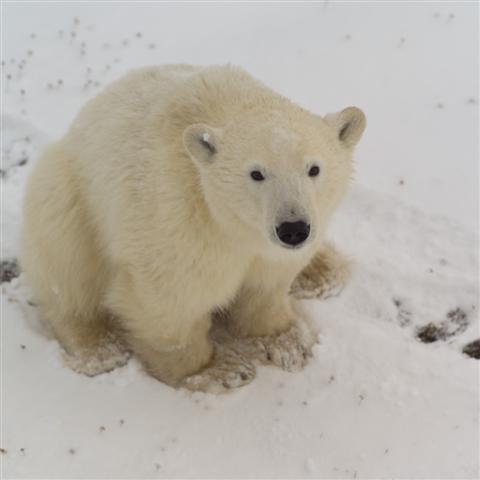
    Polar bears in the arctic

    A total of 14 polar bears were seen last week in the small town of Igloolik, in Canada’s eastern Arctic territory of Nunavut.

    The town is now en route to make a long term plan because of the unusual high number of sightings of bears.

    The town has met with the Hunters and Trappers Association, the Department of Environment and the Royal Canadian Mounted Police last week to coordinate their response. There is now a list of three experienced people on call to respond if a polar bear is spotted near town.

    Regular patrols are also in effect in the town, by snowmobile, all-terrain vehicles and trucks.

    “Early in the morning, right at lunch, when everybody’s returning after lunch, and then when the kids are being let out after school – there’s good coverage of people patrolling the community to make sure there’s no bears,” Conservation Officer Jimmy Kennedy said.

    Of the 14 bears, four were killed and one shot and wounded.

    Many communities in the Canadian Arctic have plans because of polar bears seeking in towns and Igloolik plans to seek help from towns in their planning.

    Source

    Alaska Dispatch

  • Long swim ahead for polar bears

    Long swim ahead for polar bears

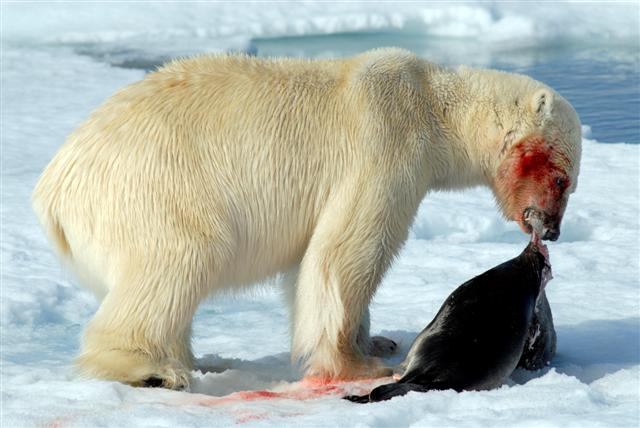
    Polar bear that caught a seal

    The summer is near and the Arctic sea ice has started its retreat. This means hard work for the polar bears in the Arctic.

    Their hunts for food has begun after the winter exile and are now swimming more than ever to eat.

    A research conducted for five years, between 2004 and 2009, shows that the average distance they swam was 154 kilometers.

    Scientist used GPS technology to track 52 adult female polar bears in the Beufort Sea near Alaska. They managed to track 50 swims in total.

    One case studied by the researchers tracked a female polar bear as she swam continuously for more than nine days, covering a distance of more than 687 kilometers. The bear lost 22 per cent of her body mass during the trip. Her cub died during the journey.

    However, many cubs do survive the long swims, says Anthony Pagano, a lead author of the study. He told the Barents Observer:

    “We were able to recapture or observe 10 of these females within a year of collaring, and six of these females still had their cubs,” Pagano said in a press release. “These observations suggest that some cubs are also capable of swimming long distances. For the other four females with cubs, we don’t know if they lost their cubs before, during, or at some point after their long swims.”

    The study, published in the latest issue of the Canadian Journal of Zoology, is the first to use GPS to track polar bears’ long-distance swims. With declining levels of Arctic ice, these long swims could become more and more common.

    There are about 25,000 polar bears in the Arctic. A 2004 survey of the Barents Sea polar bear population found about 3,000 polar bears in the region.

    Source

    Barents Observer

  • Three polar bears in Kulusuk

    Three polar bears in Kulusuk

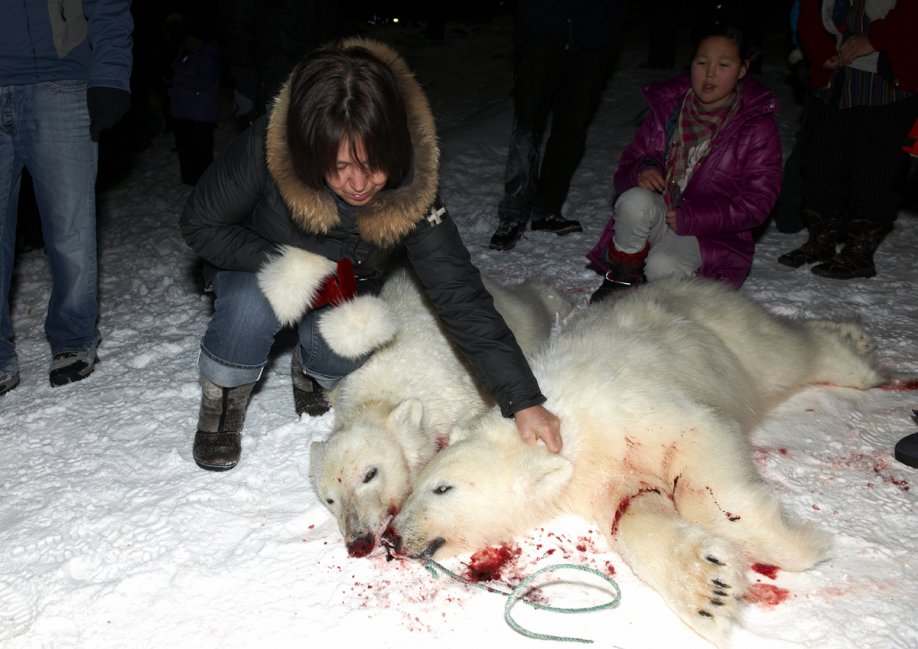
    Polar Bears dead

    Three polar bears were shot in Kulusuk, Greenland, yesterday. They drifted with sea ice to the town and were in search for food.

    A young girl approached the bears but the 13 year old thought they were dogs. Luckily she was not harmed, as the bears were shot shortly after. The mother and here two cubs were close to the airport in Kulusuk when they were first seen.

    The people tried to scare them away and thought they had succeeded. But the bears kept coming back and when the girl saw them yesterday afternoon they were shot.

    Although it was not the ideal end to the story, it was a necessity in this instance. The local elderly peoples home were given the meat but the fur was given to the government of Greenland.

    Source: Sermitsiaq

  • Polar bears a special concern

    Polar bears a special concern

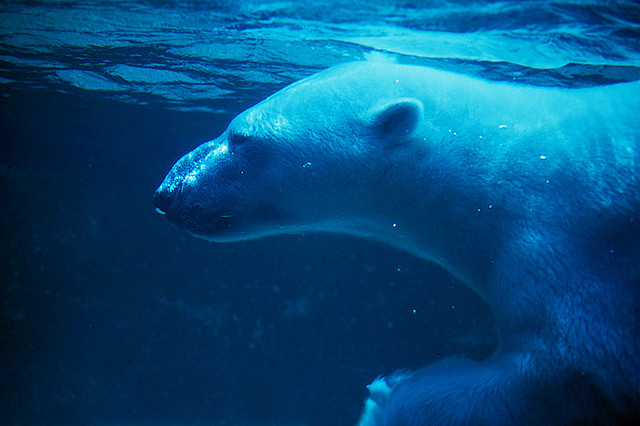
    Polar bear swimming underwater

    Canada will take special measures to protects its polar bears. Federal Environment Minister Peter Kent has declared the polar bear a “species of special concern”.

    Officials will now create a management plan in hopes of easing human threats to the species.

    “Canada is home to two-thirds of the world’s polar bear population and we have a unique conservation responsibility to effectively care for them”, Kent said.

    Currently, about 534 polar bears are hunted each year in Canada but the population is around 15.500.

    Source: NTN24

  • International Monitoring Plan for Polar Bears

    International Monitoring Plan for Polar Bears

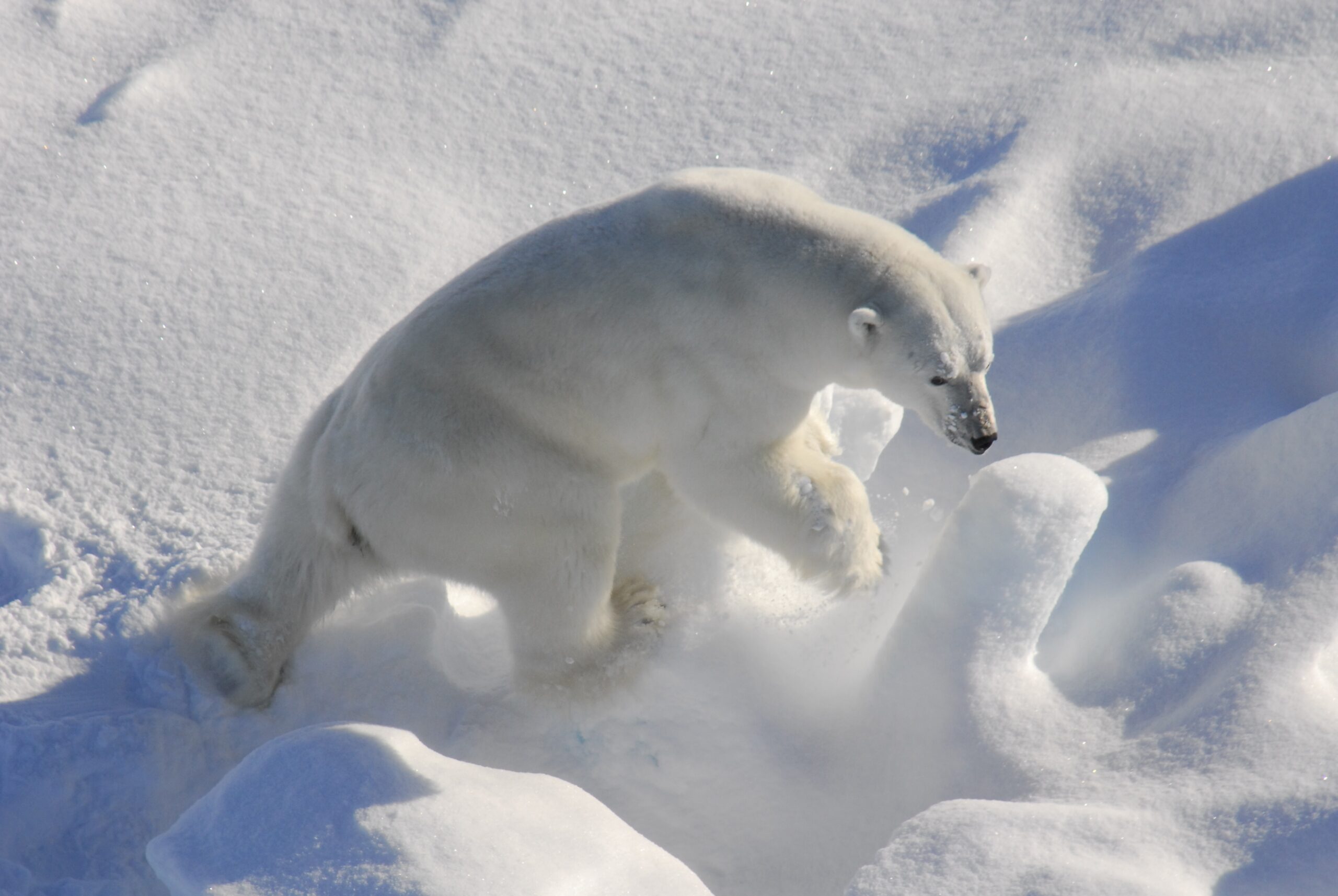
    Polar Bear

    Specialists Meet to Develop an International Monitoring Plan for Polar Bears

    Twenty-two scientists, managers and community experts from Russia, Norway, Canada, Greenland and the United States met in Edmonton, Canada

    on February 19th to 21st, 2011 to develop a Pan-Arctic Monitoring Plan for Polar Bears. The U.S. Marine Mammal Commission sponsored the workshop and the Conservation of Arctic Flora and Fauna (CAFF – www.caff.is) Working Group of the Arctic Council managed it. CAFF invited participants based on their expertise on polar bears and/or monitoring. Please download press package here

    The workshop focused on developing a coordinated and efficient pan-Arctic monitoring approach that would:

    • detect changes in polar bear populations across the Arctic,
    • implement standard assessment measures using community-based and scientific monitoring,
    • identify which subpopulations to monitor and the necessary frequency of monitoring,
    • use a suite of indicators to assess subpopulation status and trends,
    • identify the factors driving population changes, and
    • report the results to decision-makers from local communities to national government and regional bodies.

    Arctic ecosystems are changing rapidly and will continue to do so. Monitoring polar bears is a considerable challenge that will require substantial resources. To be successful, we must focus and prioritize circumpolar monitoring efforts and work together across national boundaries. Doing so is essential to better coordinate our assessment efforts, further our understanding, and convey the information needed to conserve and manage this remarkable species” said workshop organizer Dag Vongraven from the Norwegian Polar Institute.

    The results of the workshop will be used to develop a Pan-Arctic Polar Bear Monitoring Plan over the coming months (expected release September 2011). The draft plan will undergo comprehensive review prior to adoption.