Tag: scientists

  • Arctic Energy Summit coming soon

    Arctic Energy Summit coming soon

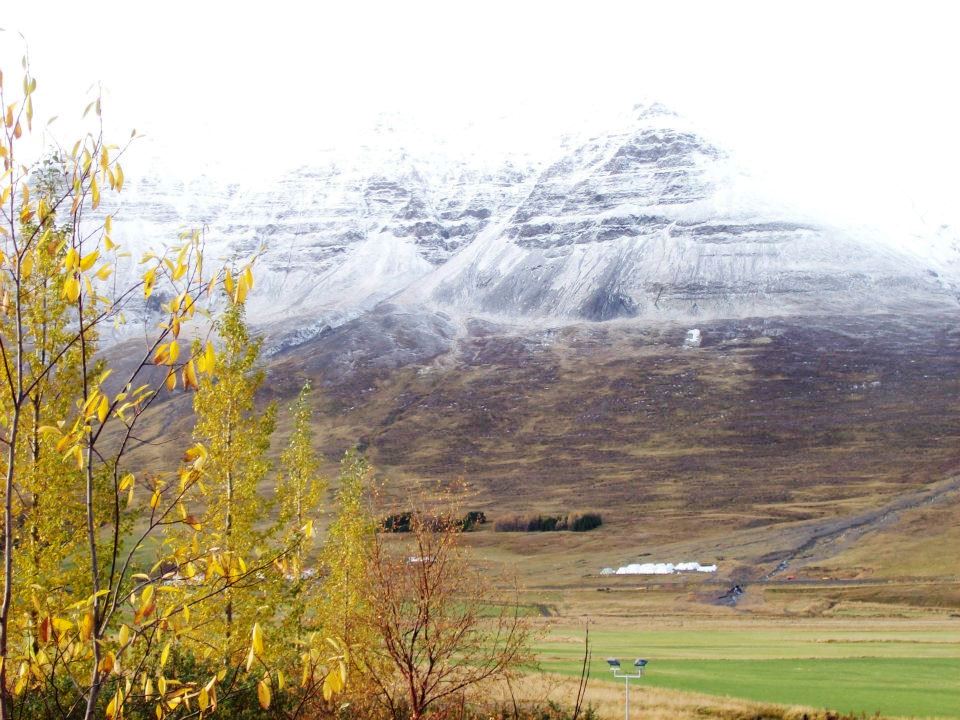
    Autumn in Akureyri

    The Arctic is sometimes described as the last frontier in the development of energy resources.

    The Institute of the North’s Arctic Energy Summit will explore energy as a fundamental element of the sustainable development of the Arctic as a lasting frontier.

    Central to this concept is how a focus on richness, resilience and responsibility will provide a pathway for sustainable energy development in the Arctic and for Arctic communities.

    The 2013 Arctic Energy Summit is a multi-disciplinary event expected to draw several hundred industry officials, scientists, academics, policy makers, energy professionals and community leaders together to collaborate and share leading approaches on Arctic energy issues.

    The 2013 Summit will address energy extraction, production and transmission in the Arctic as it relates to three thematic areas and key questions, including richness, resilience, and responsibility.

    Keynote speakers will include Mr Aqqaluk Lynge, representative of Alaskan Inuit, Mr David Garman, former Under Secretary of Energy at the U.S. Department of Energy and Mr. Christopher R. Sauer who is President and CEO and a founding member of Ocean Renewable Power Company.

    Arctic Energy Summit 2013 will become gathering for media representatives from all over the world in order to raise the awareness about current energy – related issues in changing Arctic.

    Watch and share introductory video prepared by Akureyri reginal TV station N4.

    Beautiful town of Akureyri, located in the northern Iceland is a center of culture, leisure and education. With a population of about 18 000, the town is by far the largest outside the Reykjavik capital area.

    Conference organizers still welcome participants to register for the event. More information can be found on the Conference Website.
    Sources

    Arctic Energy Summit 2013

    See also:

    Arctic Portal Library

    Arctic Portal Mapping System

  • Surprising amount of methane found

    Surprising amount of methane found

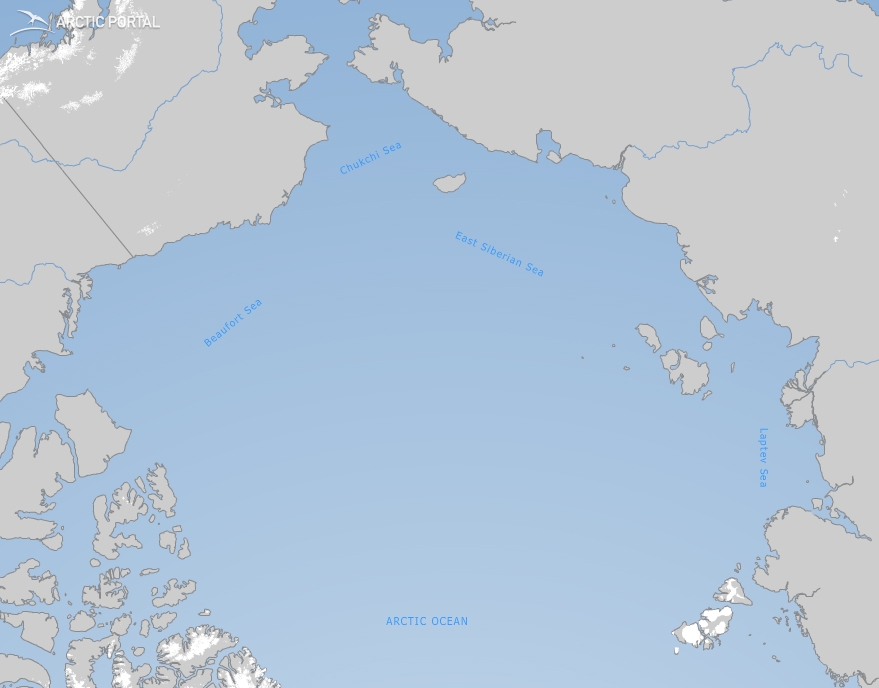
    Map of The Laptev Sea

    Russian scientists are baffled after finding plumes of methane in the Arctic Ocean. The scale and volume of the methane was a huge surprise to the researchers.

    The team was doing research in the East Siberian Arctic Shelf, in the Laptev Sea. The methane, a greenhouse gas 20 times more potent than carbon dioxide, was released from the Arctic seabed.

    Igor Semiletov, of the Far Eastern branch of the Russian Academy of Sciences, said that he has never before witnessed the scale and force of the methane.

    “Earlier we found torch-like structures like this but they were only tens of metres in diameter. This is the first time that we’ve found continuous, powerful and impressive seeping structures, more than 1000 metres in diameter. It’s amazing,” Dr Semiletov said in the Independent.

    “I was most impressed by the sheer scale and high density of the plumes. Over a relatively small area we found more than 100, but over a wider area there should be thousands of them.”

    Source: The Independent

  • Scientists confirm Polar bear Hybrid

    Scientists confirm Polar bear Hybrid

    Arctic Portal news

    Scientists in the Northwest Territories have come across a polar bear and grizzly hybrid in the Arctic. The animal that was killed on April 8 in the proximity of the Holman community by inuvialuit hunter David Kuptana.

    The animal is believed to be a second generation hybrid, meaning that it’s mother was a mixture of polar bear and grizzly bear, while it’s father was a regular polar bear. Scientists state that this may be the first second- generation polar-grizzly bear hybrid to be found in the wild.

    It is estimated that these hybrids will becoming increasingly apparent due to climate-change as polar bears are more likely to come into contact with grizzly bears due to declining summer sea ice, leaving them stranded on land.

  • IPY Polar Resource Book

    IPY Polar Resource Book

    Arctic Portal news

    To promote some of the good work carried out by the various IPY projects Educators and Scientists are offered the chance to submit material to a Polar Resource Book being created. This is an opportunity for individuals or groups who have adopted a new polar science activity or program for students or community during the IPY that were successful, and are interested in share these activities with a broader audience.

    In an attempt to ensure efforts catalyzed by IPY will press on inspiring educators, students, and emerging polar researchers into the next generation a group of young, international, polar researchers with a shared commitment to outreach and education created the Polar Resource Book. The Book is a response to continual requests from educators and scientists wishing to raise awareness about the importance of polar science during a time of rapid planet-wide climate change. The project has received support from a vide range of actors whom are a part of the IPY community, the World Meteorological Organization (WMO), as well as the University of the Arctic, the United National Environment Program (UNEP), and the organizing committee for the flagship IPY Science Conference to be held in Norway in June 2010.

    Two chapters in the book are open to submissions, chapters 2 and 4.

    Chapter 2: Polar Educational Activities and Teaching

    This section of the book includes practical learning activities for the classroom/learning environment accompanied by personal stories from youth, educators, and scientists who participated in or developed the associated projects. If you have an experience to share please fill out the attached ‘Chapter 2 I2S (intent to submit)’ form.

    Chapter 4: Education & Outreach Projects – Inspiring Ideas from Around the World This chapter is a collection of successful outreach initiatives submitted by educators, scientists, and graduate students. The purpose of this chapter is to demonstrate the breadth of outreach approaches and projects/programs/initiatives inspired by IPY and to encourage readers to become actively engaged in scientific outreach and polar education. We are interested in all polar outreach experiences regardless of their scale. If you have an experience to share please fill out the attached ‘Chapter 4 I2S (intent to submit)’ form.

    Details and Deadline for Intent to Submit:

    • Application forms can be downloaded here Chapter 2 and Chapter 4
    • The deadline for submitting your intent to contribute to Chapters 2 & 4  is July 20th, 2009.

    Further Deadlines for Successful Submissions:

    • All submissions will be reviewed and successful submissions will be notified byJuly 31st, 2009.
    • Full submissions will be due by August 31, 2009.
    • For further details and submissions, please contact Karen Edwards: karen.edwards@ualberta.ca