Tag: Sea Ice

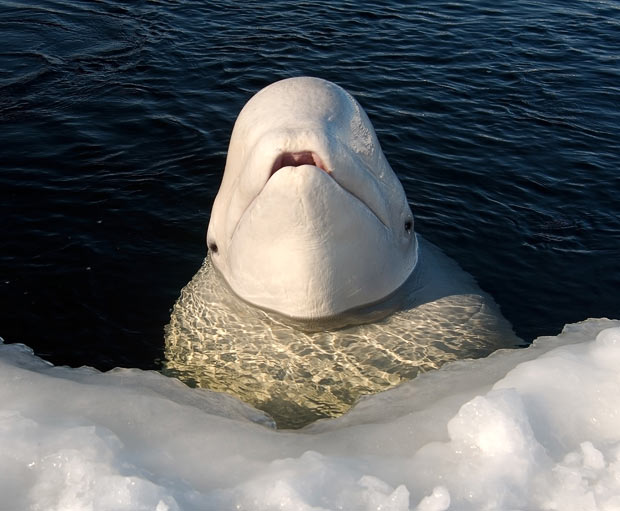
  • Beluga whales trapped in ice

    Beluga whales trapped in ice

    Beluga Whale in ice

    Around 100 Beluga whales are trapped in sea ice in the Bering Sea. They await rescue or face death.

    The Beluga whale can weigh 2 tons at six meters long.

    They lie outside the town Janrakynot in east Russia. They can’t feed but authorities in Chukotcha are hoping for an icebreaker to break the whales free.

    Prime Minister Vladimir Putin is a known admirer of the Beluga whale and the authorities are hopeful it will help them in the cause for the icebreaker. The icebreaker is around the area but it would take around two days to reach the animals.

    Below is a video of trapped Beluga whales, escaping an attack from a polar bear.

    Source: Vísir.is

  • Arctic Report Card 2011 released

    Arctic Report Card 2011 released

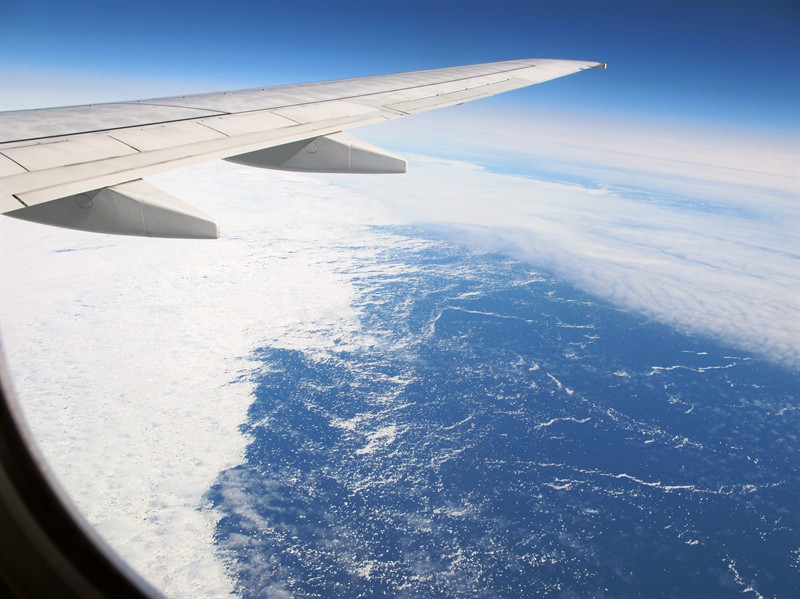
    Dissolving Sea Ice, South of Svalbard

    The 2011 Arctic Report Card has been published. Amongst the results are significant changes in the atmosphere and the sea ice and the ocean.

    The NOAA (National Oceanic and Atmospheric Administration) issues the Arctic Report Card annually The Arctic Report Card is a timely source for clear, reliable and concise environmental information on the state of the Arctic, relative to historical time series records.

    Among the 2011 highlights are:

    Atmosphere: In 2011, the average annual near-surface air temperatures over much of the Arctic Ocean were approximately 2.5° F (1.5° C) greater than the 1981-2010 baseline period.

    Sea ice: Minimum Arctic sea ice area in September 2011 was the second lowest recorded by satellite since 1979.

    Ocean: Arctic Ocean temperature and salinity may be stabilizing after a period of warming and freshening. Acidification of sea water (“ocean acidification”) as a result of carbon dioxide absorption has also been documented in the Beaufort and Chukchi seas.

    Land: Arctic tundra vegetation continues to increase and is associated with higher air temperatures over most of the Arctic land mass.

    Source: NOAA

  • Sea Ice drift

    Map - Sea Ice Drift

    Blocks of sea ice break annually from large ice caps in the Arctic. These blocks of ice can be up to kilometers in width.

    The ice blocks cause problems where they go.

    As the map shows, the largest blocks break off Greenland.

    This causes problems for shipping, especially for smaller ships.

    Blocks of ice melt in time but they have on a few occastions brought polar bears to Iceland, for example. They come from Svalbard and Greenland for the most part.

    In 2008 two polar bears drifted to Iceland, one in 2010 and one in 2011. They were all shot consequenly.

  • Sea ice level not less than in 2007

    Sea ice level not less than in 2007

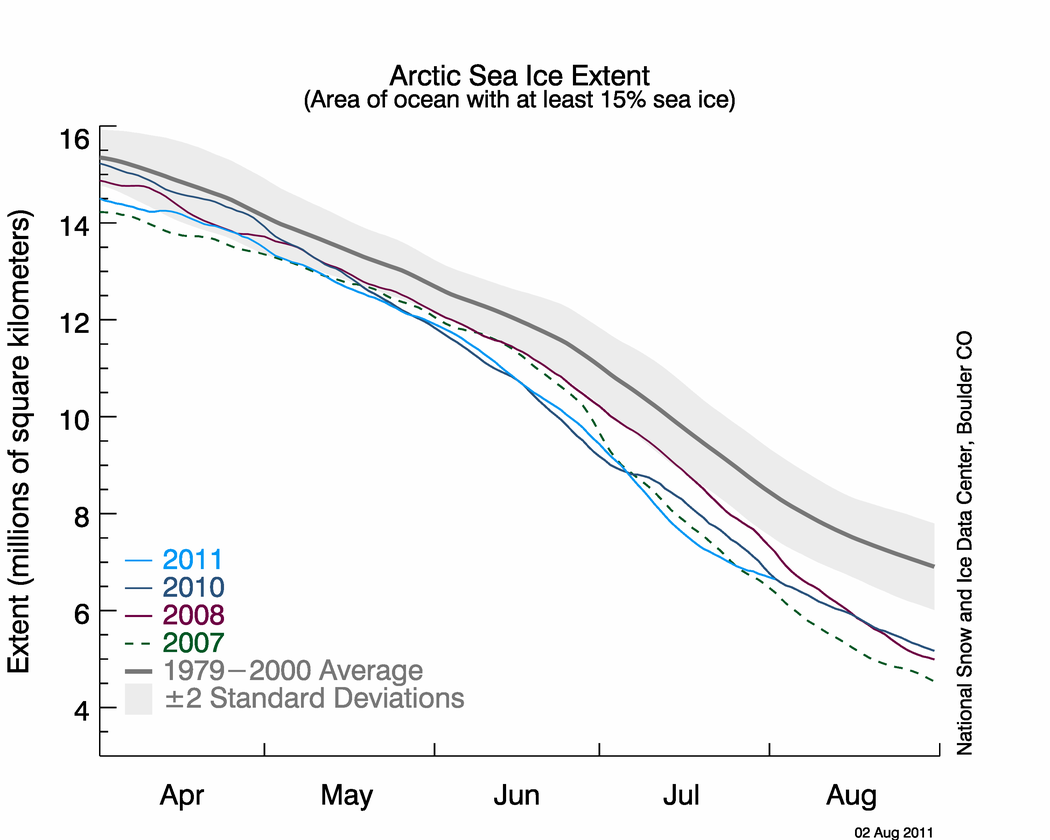
    Arctic Sea-Ice Extent 2011

    The NSIDC (the National Snow and Ice Data Center) has declined research from the University of Bremen, Germany, who declared earlier this summer that Arctic Sea Ice Level was at an all time low.

    The 2007 measures are still the lowest levels as of today.

    On September 10, Arctic sea ice extent was 4.34 million square kilometers (1.68 million square miles). This was 110,000 square kilometers (42,500 square miles) above the 2007 value on the same date.

    The record minimum Arctic sea ice extent, recorded in 2007, was 4.17 million square kilometers (1.61 million square miles).

    The NSIDC confirms this but states that todays measurments are likley to be the lowest of the year, the ice will begin to increase for the winter soon.

    But the NSIDC also says that “while the University of Bremen and other data may show slightly different numbers, all of the data agree that Arctic sea ice is continuing its long-term decline.”

  • Sea ice levels at an all time low

    Sea ice levels at an all time low

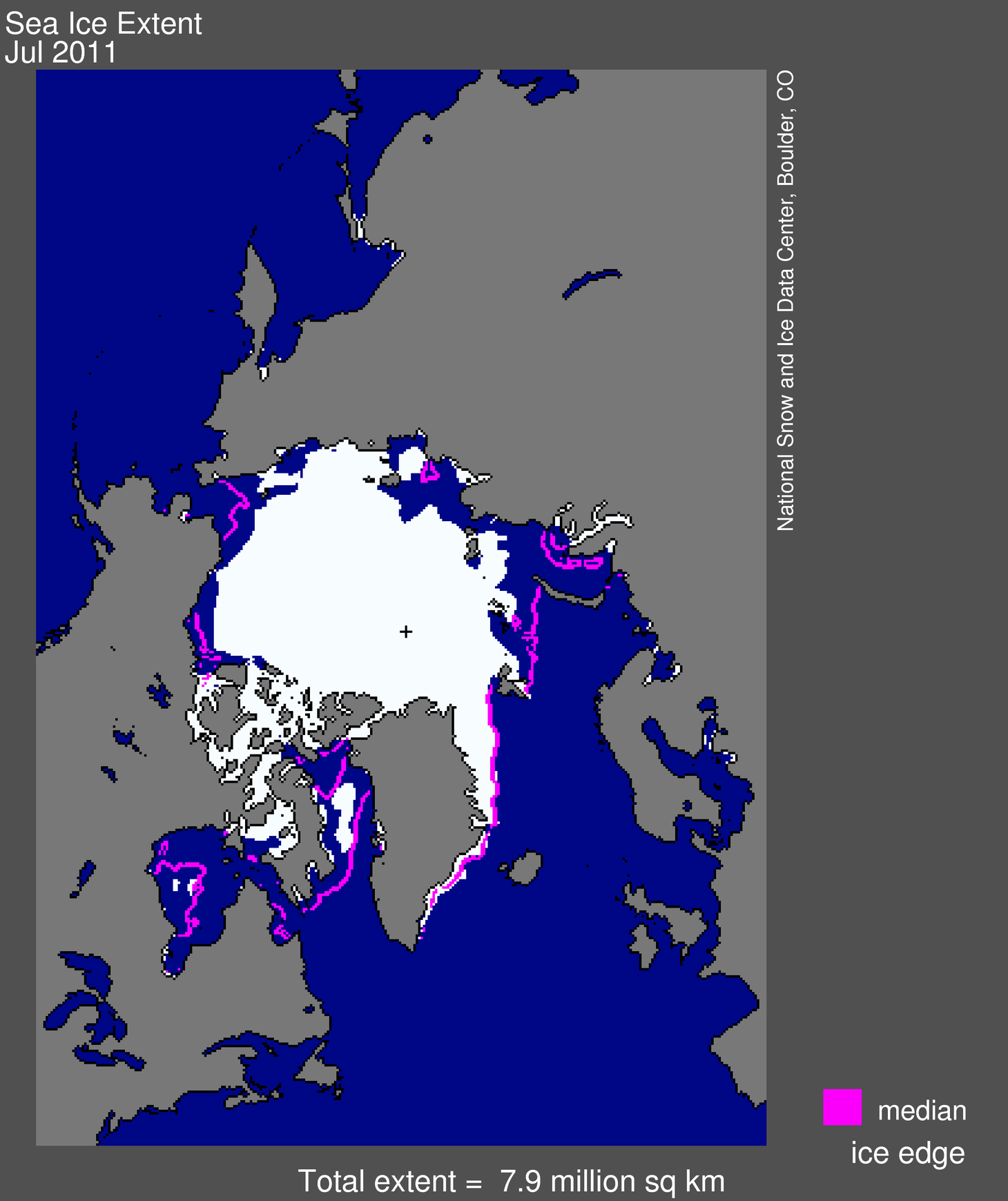
    Sea Ice Extent in July 2011

    Sea ice in the Arctic is at an all time low. Data from July confirm this. The level is the lowest since satellite records have been used for measures. Sea ice coverage also remained below normal everywhere except the East Greenland Sea.

    The data also shows that more of the Arctic’s oldest ice has disappeared.

    The ice declined at a fast pace in the beginning of July but as August approached, the pace went down.

    Since 1979, when satellites were introduced as measuring tools for ice in the Arctic, the ice as declined at around 6,8% per decade.

    As reported earlier, the loss of sea ice has resulted in Russians using the Northern Sea route more frequently. The tanker Perserverance set sail on June 29, 2011 from Murmansk, Russia, aided by two icebreakers and completed the passage on July 14. At least six more ships are scheduled for the route in the summer.

    In August they also plan to send the largest ever tanker through the route.

    The Northwest Passage is still choked with ice but its level is also diminishing. An open route for vessels could open up this year, but weather in the region for the next few weeks will determine that.

    Picture: Sea Ice Extent in July 2011 – From The National Snow and Ice data Center.

  • Rapid Changes for Arctic Flora and Fauna

    Rapid Changes for Arctic Flora and Fauna

    Arctic Biodiversity Trends 2010Unique Arctic habitats for flora and fauna, including sea ice, tundra, lakes, and peatlands have been disappearing over recent decades, and some characteristic Arctic species have shown a decline. The changes in Arctic Biodiversity have global repercussions and are further creating challenges for people living in the Arctic.

    The above statements are examples on the key findings describing changes in Arctic biodiversity that is presented in ‘The Arctic Biodiversity Trends – 2010: Selected Indicators of Change’, a new report synthesizing scientific findings on the status and trends for selected biodiversity in the Arctic issued by the Conservation of Arctic Flora and Fauna (CAFF) Working Group under the Arctic Council.
    A constant issue noted as critical is the need for Arctic wide monitoring programmes. CAFFs Circumpolar Biodiversity Monitoring Programme (CBMP – www.cbmp.is) has developed the first arctic wide marine ecosystem monitoring programme which has been endorsed by the Arctic Council. This plan is now starting to be implemented will help short the gap between the collection and analysis of data to its availability to decision makers.

    Arctic Biodiversity – affected by multiple stressors

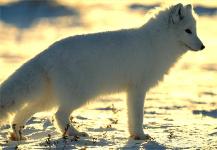
    Arctic FoxThe Arctic Biodiversity Trends 2010 Report, produced by some of the world’s leading experts of Arctic ecosystems and biodiversity, was the Arctic Council’s contribution to the United Nations International Year of Biodiversity in 2010.

    In 2008, the United Nations Environment Program passed a resolution expressing ‘extreme concern’ over the impacts of climate change on Arctic indigenous peoples, other communities, and biodiversity. It highlighted the potentially significant consequences of changes in the Arctic. The Arctic Biodiversity Trends – 2010: Selected Indicators of Change report indicates that some of those anticipated impacts on Arctic biodiversity are already occurring.

    The report is based on twenty-two indicators and provides a snapshot of the trends being observed in Arctic biodiversity today. The polar bear is one of the most well-known species impacted by changes in the Arctic, but it is not the only one. The indicators show that the Arctic has changed dramatically during recent decades and that unique Arctic habitats for flora and fauna are disappearing. Furthermore, some species of importance to Arctic people or species of global attention are declining.

    The report presents a broad spectrum of changes in the Arctic ecosystems and biodiversity.

    • Polar bears are highly specialized for and dependent on sea ice for their habitat. Therefore they are particularly sensitive and vulnerable to the documented significant reductions in sea ice cover in parts of the Arctic and to the thinning of multi-year ice in the polar basin. Status and trends for many populations are not available, but research on some populations demonstrates that they have decreased over the past several decades, and population and habitat modelling have projected substantial future declines in the distribution and abundance of polar bears.
    • The vegetation comprising tundra ecosystems – various species of grasses, sedges, mosses, and lichens – are, in some places, being replaced by species typical of more southern locations, such as evergreen shrubs.
    • Trees are beginning to encroach on the tundra at its southern margin and some models project that by 2100 the tree line will have advanced north by as much as 500 km, resulting in a loss of 51% of tundra habitat.
    • In recent years, on average, the southern limit of permafrost in northern peatlands has retreated by 39 km and by as much as 200 km in some parts of Arctic. Peatlands are significant for the floristic diversity of the Arctic because their species comprise 20–30% of the Arctic and sub-Arctic flora. Moreover, many bird species with conservation priority are strongly associated with tundra and mire habitats.
    • Cold water coral reefs, coral gardens, and sponge aggregations provide a habitat for a variety of fish and invertebrates and thus represent biodiversity hotspots in the Arctic seas. These habitats are vulnerable to fisheries and other human activities such as oil and gas exploration.

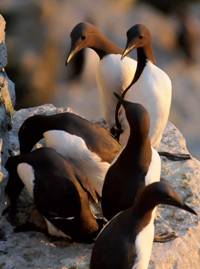
    svartfuglDepending on the magnitude of these and other changes, certain ecosystems may no longer be considered ‘Arctic’. The result may be that many of the species thriving in the Arctic today are not able to survive there in the future.

    A key finding in the Report is that climate change is emerging as the most far-reaching and significant stressor on Arctic biodiversity, though contaminants, habitat change, industrial development, and unsustainable harvest levels continue to have impacts.

    The importance of Arctic ecosystems for biodiversity is immense and therefore a more thorough examination of the state of affairs is needed. Thus, leading Arctic scientists are currently engaged in making a full and comprehensive Arctic Biodiversity Assessment, which is will be completed in 2013.

    A primary challenge is to shorten the gap between when data is collected to when it has been processed and presented to decision makers to allow for a quicker response time. CAFF has recognized this challenge and in recent years worked towards developing a solution.

    This approach has focused on not just developing traditional assessments but also addressing the creation of a framework to allow for the collection, processing and analysis of data on a continuous basis – the CBMP. The aim being through the ABA not to produce a traditional one off static assessment but rather to create a baseline of current knowledge and at the same time developing the engine which will feed data into this baseline allowing it to become a dynamic living tool. One which is sustainable and can produce regular and more flexible assessments and analyses.

    Practical information

    Further information and a press kit can be found at www.caff.is.
    Further information can be found by email: tom@caff.is or contacting Tom Barry at +354 861 9824.

  • Specialists Meet to discuss the effects of sea-ice loss on biodiversity in the Arctic

    Specialists Meet to discuss the effects of sea-ice loss on biodiversity in the Arctic

    Sea Ice

    Thirty scientists, managers and community experts from Russia, Canada, Greenland/ Denmark and the United States, including the Arctic Athabascan Council, Inuit Circumpolar Council, Gwich´in Council International, World Wildlife Fund Arctic and the Association of Polar Early Career Scientists met in Vancouver, Canada on March 22th to 23rd, 2011 to develop a technical report on the effects of sea-ice reduction on biodiversity in the Arctic and accompanying conservation & scientific recommendations. Conservation of Arctic Flora and Fauna (CAFF) Working Group of the Arctic Council organised and managed the workshop.

    The workshop considered urgent issues facing Arctic sea ice-associated biodiversity which included:

    • An overview of sea ice ecosystems and the role of ice in regions where sea ice is integral
    • The potential for wildlife and communities to adapt to a changing sea ice scenario
    • Impacts of reduced sea ice on genetic diversity of species
    • New species likely to establish as a result of reduction in sea ice
    • Positive and negative effects of changes to species composition on other wildlife and people
    • Priority actions that could be taken in support of sea ice-associated biodiversity
    • Information gaps that require targeted research

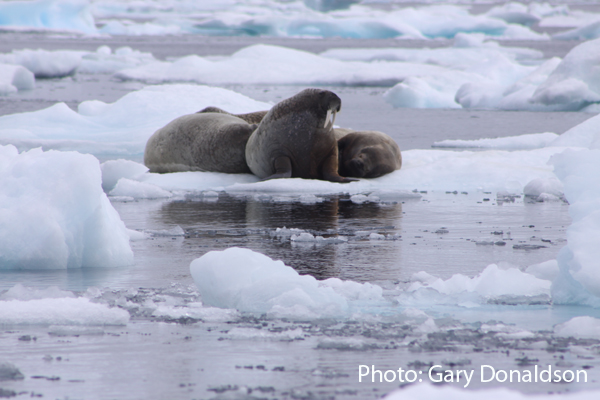
    Sea_ice_gary_donalds

    Building on the results of this workshop the project will develop a technical report on the current status and trends of sea ice-associated biodiversity, including direct effects on marine species and indirect effects on terrestrial species. A second workshop will be held in Russia in autumn 2011 to finalise the report and develop accompanying conservation, scientific and policy recommendations.

    For further information please contact: Tom Barry (Tom at Caff.is) /+354 8619824, +354 8619824. To download a press package, please visit the CAFF homepage

  • Opportunities with Arctic Sea Ice Decline

    Opportunities with Arctic Sea Ice Decline

    Tourist cruise ship, Svalbard

    Shipping

    The possibility of a trans-arctic shipping route has intrigued seafarers since the days of the first Arctic explorers, as it would shorten the distance between the Pacific Ocean and the Atlantic Ocean significantly and shorten trading routes. This possibility still intrigues many and is an issue that has received significant media coverage; it probably will become a possibility during the 21. century due to declining in sea Ice.

    This would create a number of economic opportunities of Arctic residents as regular transit shipping through the Arctic Ocean would require significant infrastructure, transshipment ports, search and rescue infrastructure would need to be strengthened significantly and numerous other services would be needed.

    Energy exploration

    Less Sea Ice could further enable access to the vast natural reserves located in the Arctic which would contribute further to the regions economic stability, it does however need to be noted that the loss of sea ice in this context could be both a good thing as well as something creating a problem. Less sea ice would mean better access but at the same time mean stronger waves and storms which could endanger infrastructure such as platforms for oil and gas exploration.

    Private yacht in polar waters, near Svalbard

    Tourism

    With less sea ice coverage, it could be estimated that more cruise ships would venture into the Arctic, which also creates the need for more infrastructure and offers local communities opportunities to offer services to tourists and further build up the Arctic infrastructure.

    All of these opportunities mentioned have their upside and downside as well.

    These activities have the possibility if they are not closely managed to pose an environmental threat to the in many ways fragile region, but also could offer quite an opportunity to spur sustainable growth in the North.

  • Effects of Arctic Sea Ice Loss on Biodiversity, Weather Patterns and Local Population

    Effects of Arctic Sea Ice Loss on Biodiversity, Weather Patterns and Local Population

    Effects of Arctic Sea Ice Loss on Biodiversity, Weather Patterns and Local Population

    Less sea ice coverage and changes in melt patterns in the arctic has various implications for biodiversity of the Arctic regions, the affect is in many cases not clear and it’s full reach not clear, the few facts mentioned below should be considered as examples rather than a full analyze.

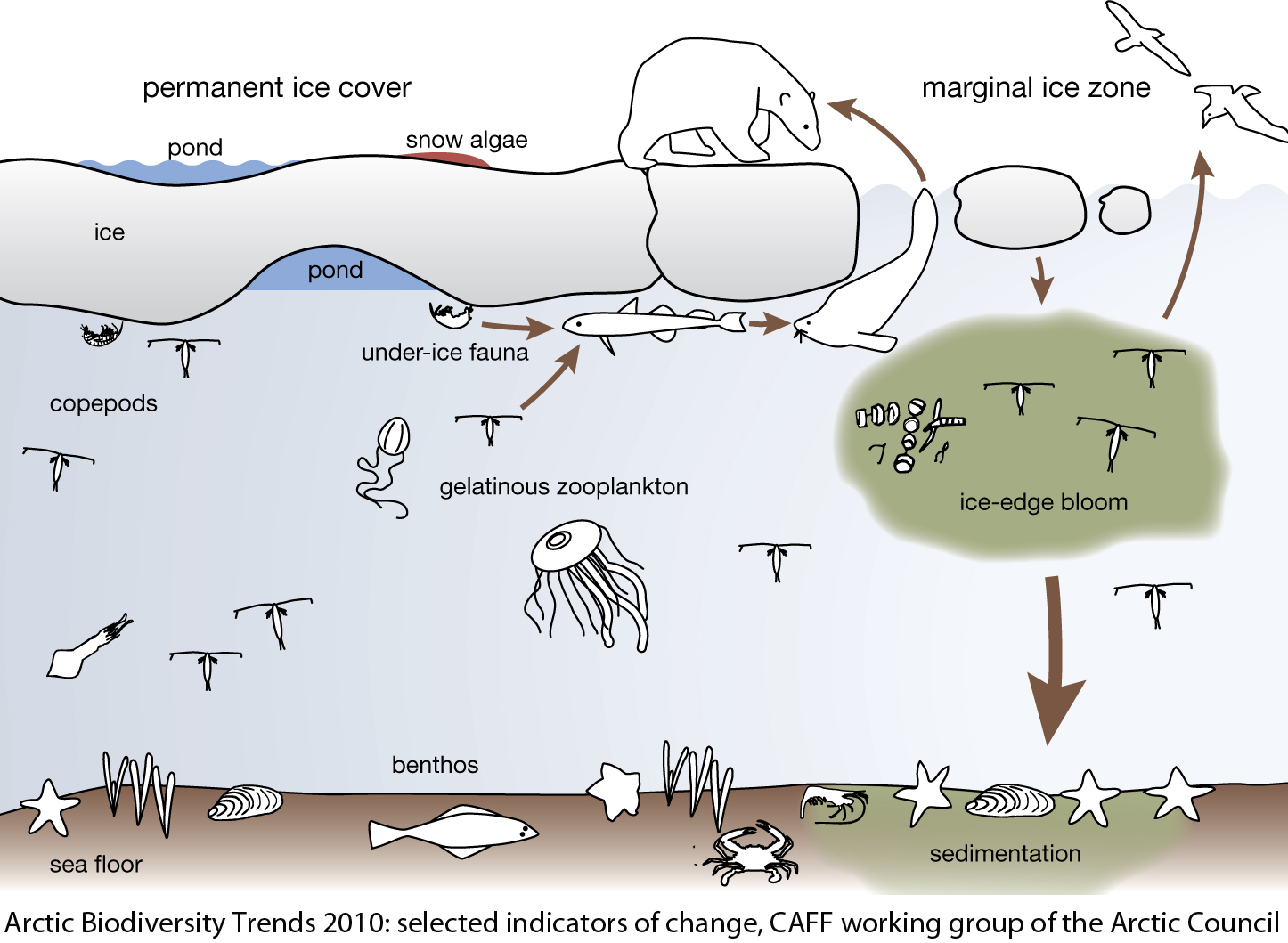
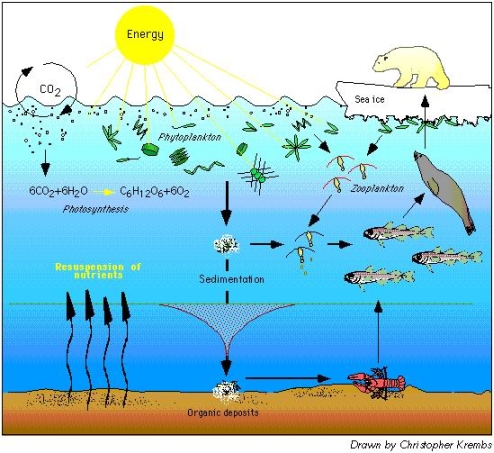
    The seasonal expansion and melt of sea ice in the Arctic is a defining feature of the highly productive ecosystem.

    The timing of the phytoplankton bloom, which supplies energy to the entire ecosystem, is regulated by the timing of the ice retreat.

    As temperatures increase, less sea ice forms and it melts earlier in the spring, resulting in delayed spring phytoplankton bloom. Algae and tiny animals inhabit sea ice, living in and on the under surface.

    In the spring when sunlight is returning, ice in the Arctic melts discharging those plants and animals into the water column where they stimulate a massive phytoplankton bloom. There is more plankton present than can be consumed by the zooplankton and so most of the nutrients fall to the seafloor feeding benthic animals. The ocean bottom in many parts of the arctic are a rich living seafloor providing abundant food for diving predators including walrus, gray whales and spectacled eiders.

    Warmer temperatures cause the melt to happen earlier than usual. Under this scenario, there has been less growth of ice algae and it is discharged before sufficient sunlight is present to cause the phytoplankton bloom. The bloom is then delayed until sunlight is available but without the added fuel from the ice algae. Less phytoplankton is produced and it is consumed by zooplankton before it reaches the seafloor. This scenario is considered more favorable to fish in the pelagic zone feeding on zooplankton.

    The change in timing of the phytoplankton bloom affects which predators consume the phytoplankton and the effect is carried all the way up the food chain. Colder temperatures and more sea ice normally support benthic (bottom-dwelling) communities like crustaceans and in turn the marine mammals and diving sea ducks that prey on them. In contrast, warmer temperatures and reductions in sea ice result in more food available for fish in the pelagic zone (water column). Scientists are concerned that a loss of spring phytoplankton production may in turn reduce the overall productivity of the Bering Sea ecosystem

    Quite a number of animals also directly base their subsistence on the Ice coverage such as polar bear, walrus, hooded seal and the narwhal. Sea Ice provides protection as well from predators like the killer whale also known as Orca whale that now have easier access to prey in arctic waters.

    The interlinkage of global warming and retreating sea ice is also likely to change the biological composition in the region as new species move further into the Arctic, with existing species moving further north, often creating challenges connected to their access to their food supply.

    The loss of ice will open the Arctic to new levels of shipping, oil and gas exploration and drilling, fishing, hunting, tourism, and coastal development. These, in turn, will add new threats to marine mammal populations, including ship strikes, contaminants, and competition for prey.

    Effect on whether patterns

    It is a common misunderstanding that melting Sea Ice will contribute to a rise in Sea levels, since the Sea Ice is already floating in the Ocean this would be very minimal and has been estimated to be around 4mm if the entire world Sea Ice melted. The loss of Sea Ice would however contribute to a overall warmer Arctic which will accelerate the melting of the Greenland icecap, which would lead to a Sea level rise of 20 feet or 6 meters. Such a Sea level rise could have quite a significant effect on the globe, the video below illustrates some of the effects of a rise of 6 meters.

    [http://www.youtube.com/watch?v=kgCYhU5ISwI&feature=player_embedded]

    Effect on the jet stream and planetary weather patterns

    Continued loss of Arctic sea ice may dramatically change global weather and precipitation patterns in the decades to come. The jet stream will probably move further north in response to warmer temperatures over the pole, which will bring more precipitation to the Arctic. More frequent and intense droughts over the U.S. and other regions of the mid-latitudes may result from this shift in the jet stream. Changes to the course of the jet stream affect weather patterns for the entire planet, and we can expect impacts on the strength of the monsoons and re-curvature likelihood of hurricanes.

    Francis et al. (2009) found that during 1979 – 2006, years that had unusually low summertime Arctic sea had a 10 – 20% reduction in the temperature difference between the Equator and North Pole. This resulted in a weaker jet stream with slower winds that lasted a full six months, through Fall and Winter. The weaker jet caused a weaker Aleutian Low and Icelandic Low during the winter, resulting in reduced winter precipitation over all of the U.S., Alaska, and Northern Europe. In contrast, increased precipitation fell over Spain, Italy, and Japan during these winters. The authors noted that strong La Niña or El Niño events can have a much stronger influence on the wintertime atmospheric circulation, which will overshadow the circulation changes due to summertime Arctic sea ice loss.

    Such as the strong La Niña event occurred during the winter of 2007 – 2008. In any case, reduced summertime Arctic sea ice should give most of the Northern Hemisphere a delayed start to winter during most years, for the foreseeable future.
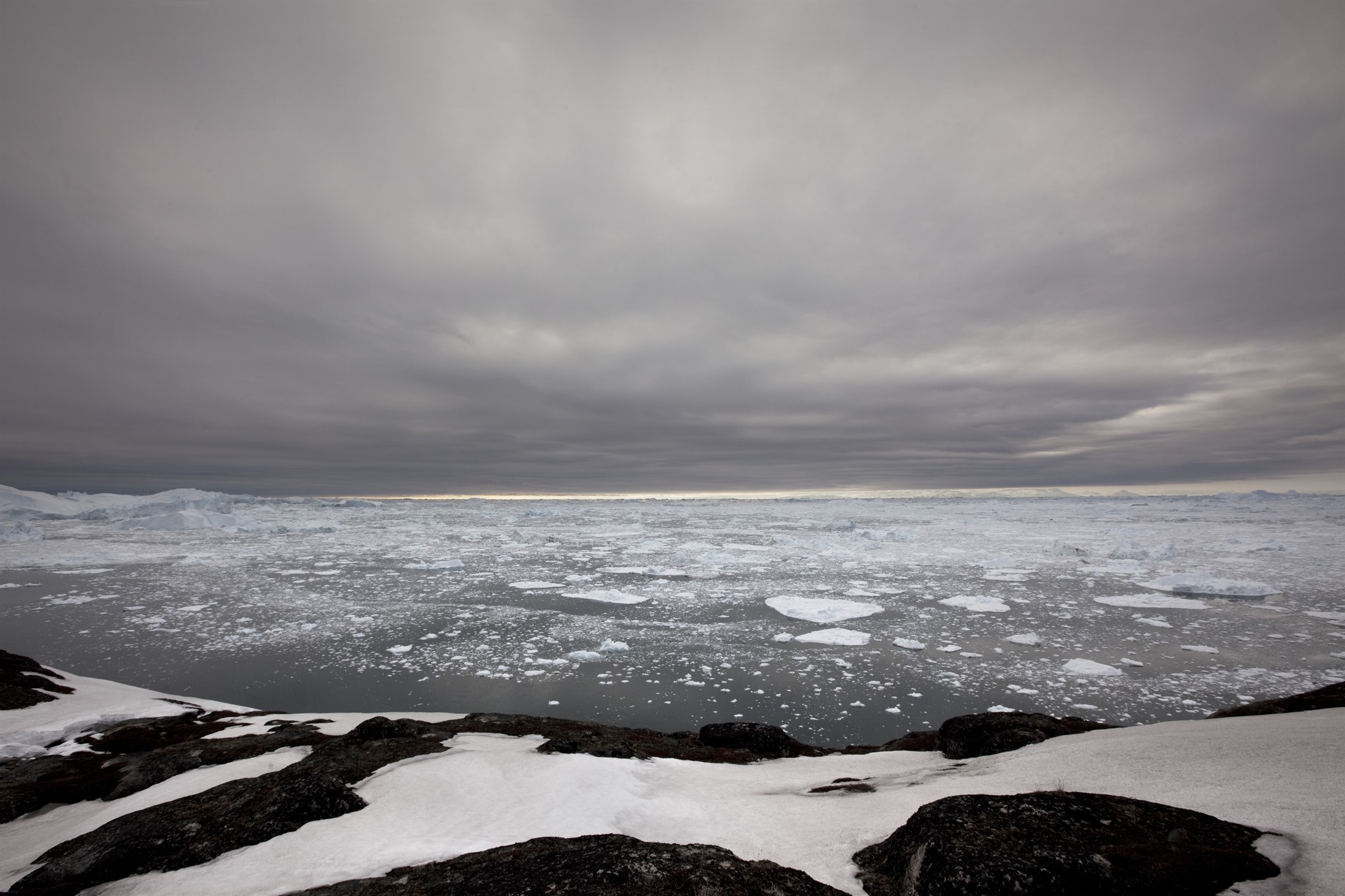
    arctic sea ice Ilulissat

    Coastal damage in the Arctic

    More open water in the Arctic Ocean allows erosion due to wave action to affect the coast for longer periods, particularly during fall, when storms tend to be stronger with higher storm surges. The resulting destruction has already forced residents of the Alaskan town of Shishmaref to vote to abandon their village. More than half the residents of the nearby village of Kivalina were forced to evacuate on September 13 2007, when 25-40 mph winds drove a 3-4 foot high storm surge into the town. The U.S. Army Corps of Engineers built a $3 million sea wall to protect the town, but the wall has not been able to hold against recent storms. Over 100 feet of coastline has been lost in the past three years.

    More open water also means more moisture and heat will be available to power storms. These stronger storms will bringer higher winds and higher storm surges to coastal areas in the Arctic over the remainder of the 21st century, resulting in increased erosion and flooding of low-lying areas.

    Effect on the local population

    Sea Ice affects all people as a part of the whether system that enables humans and other species to exist, but the decline in sea ice will have a more prominent affect local people. Storms are likely to gradually become stronger and more frequent and land erosion by the sea will continue to increase. The declining sea ice and previously unknown changes commonly connected with climate change are having a significant effect on various indigenous groups in the Arctic.

    Subsistence activities still have a significant meaning to numerous arctic indigenous groups both from a cultural as well as economic stand-point. Numerous indigenous groups around the Arctic region have been very active in promoting the issues connected to climate change and traditional knowledge increasingly being accepted within the scientific community. Both indigenous groups as well as other inhabitants of the North will have to adapt to the changes at hand and due to the gradual nature of these changes it should be easier to adapt.

    The environment has of course been changing for all history even if these changes connected to global warming are unprecedented, many of these changes may offer quite a bit of opportunities alongside the challenges created.

    [http://www.youtube.com/watch?v=mX1BOLGgUwA&feature=player_embedded]
  • Arctic Sea Ice

    Arctic Sea Ice

    Sea Ice in Disco Bay

    The Arctic Sea Ice is one of the key symbols of the cold and barren Arctic regions, and affects the lives of both arctic and non-arctic residents.

    Sea Ice significantly contributes to the worlds whether patterns and help to keep the globes temperature down.

    Measurements of sea Ice during 2010 have reinforced the general belief that the sea ice is declining year from year.

    In this coverage the AP will present an overview of these changes as well as some of the possible implementations, opportunities and effects this may have, based of information from leading scientific institutions involved in snow and ice measurements.

    Sea ice being white has a much higher reflection than other earths surfaces, making it function as a giant mirror reflecting the suns radiation into space. This is reflectiveness is referred to as “albeido” It has been estimated that Sea Ice reflects as much as 50-95% of the suns radiation while an open ocean surface only reflects about 10-15%.

    This reflection contributes significantly to keeping atmospheric temperatures cooler. Additionally this keeps the ocean in the northern hemisphere cooler, helping to maintain the planet’s ocean conveyor system. With the rapid decline in Sea Ice, documented in recent years there is the risk of a cicle of warming as higher atmospheric temperatures contribute to loss of sea ice and further loss of sea ice contributes to more atmospheric warming, this effect is known as the “ice-albedo feedback”.

    Glacier Mouth, Krossfjorden, Svalbard

    The prevailing view among climate scientists had been that an ice-free Arctic ocean would occur in the 2070 – 2100 time frame. The February 2007 report from the U.N.-sponsored Intergovernmental Panel on Climate Change (IPCC), warned that without drastic changes in greenhouse gas emissions, Arctic sea ice will “almost entirely” disappear by the end of the century. The recent observations and the Holland et al. model study suggest that it is conceivable that a complete loss of summer Arctic sea ice will occur far earlier.

    In a 2007 interview published in The Guardian, Dr. Mark Serreze, an Arctic ice expert with the National Snow and Ice Data Center, said: “If you asked me a couple of years ago when the Arctic could lose all of its ice, then I would have said 2100, or 2070 maybe. But now I think that 2030 is a reasonable estimate. It seems that the Arctic is going to be a very different place within our lifetimes, and certainly within our children’s lifetimes.”

    While natural fluctuations in wind, ocean circulation, and temperatures are partly to blame for this loss of sea ice, human-caused global warming is also to blame. In the words of Dr. Serreze: “The rules are starting to change and what’s changing the rules is the input of greenhouse gases. This year puts the exclamation mark on a series of record lows that tell us something is happening.”

    Some argue that the process of achieving both consensus and rigor in the IPCC report yields a “conservative” estimate of climate change. It is true that predictions which involve phase changes are among the most difficult for climate models.

    This is made even more challenging for sea ice, which sits in water and is subject to amplified melting by stirring in the water, and is also sensitive to the local salinity of the water. If there are to be surprises in the predictions of climate change, then they are likely to involve phase changes. In a warming climate, this would involve the transition of water from ice to liquid.

    The decline of the Sea ice is likely to have a wide number of impacts to both the world in general and of course specifically the Arctic. These impacts are likely to be both negative and positive.

    The video below was put together by the Arctic Portal using data from the IARC-JAXA project showing the transition in Sea ice from June 2002- 14 July 2010.

    [http://www.youtube.com/watch?v=hpRYCEHJlLc]


    To learn more about the Arctic sea ice:

    Summary – The Greenland Ice Sheet in a Changing Climate.
    Snow, Water, Ice and Permafrost in the Arctic (SWIPA), 2009. Arctic Monitoring and Assessment Programme (AMAP), Arctic Council

    Global Glacier Changes: facts and figures. 2008. United Nations Environmental Programme (UNEP)

    Arctic sea Ice News and Analysis, The National Snow and Ice Data Center (NSIDC)

    Arctic sea-ice ecosystems, Arctic Biodiversity Trend 2010, CAFF, Arctic Council