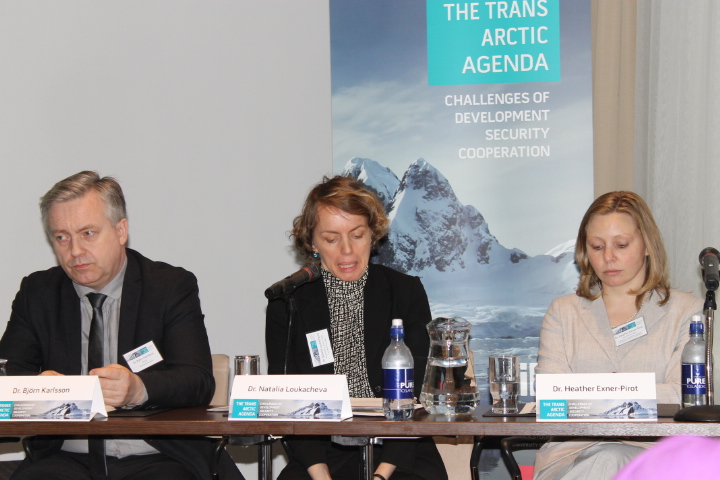
Second day of ”The Trans – Arctic Agenda: Challenges of Development, Security and Cooperation” has divided participants into three parallel sessions i.e. environment, economy, systems and societies.
Although the Arctic is remote and lacks dense populations, it is under threat from environmental stresses largely originating in distant regions. The physical constitution of the Arctic dictates how the region reacts to environmental changes. With water occupying about two fifths of the area north of the 60th parallel, the region is essentially an ocean surrounded by land.
Three main issues regarding the Arctic environment are climate change, changes in biological diversity, and the use of toxic substances. The effects of these changes are becoming increasingly evident in the North, affecting largely the people in the northern territories.
Economic development and transfer of political power to the indigenous communities, establishing their fundamental rights to sovereignty was the matter for the dispute during the event as well as the risk managment and the international capability to face security challenges.
The conference will continue until 18.00. After the closing remarks, participants will be hosted by the President of Iceland in his residence in Reykjavik.
Please, click here to see the detailed schedule of the ”Trans – Arctic Agenda”.
Source
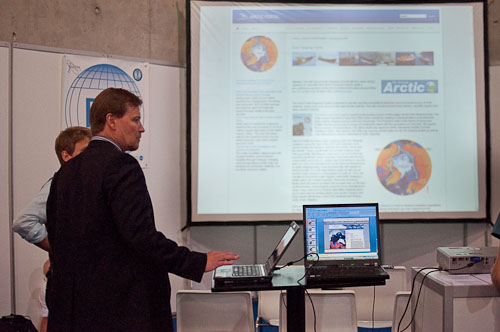
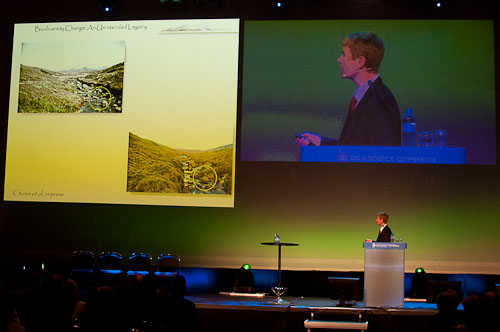
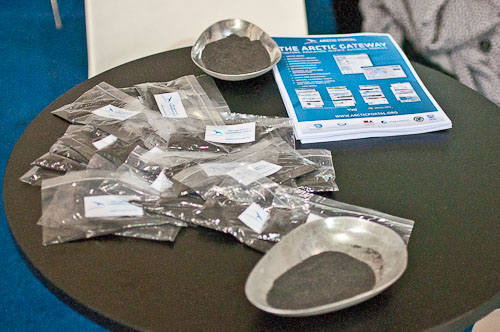 After the grand opening ceremony the sessions started under the six themes. You almost feel that it is a shame that all of this is happening at once since there are always more than one interesting sessions occurring at any given moment so choosing between them is quite a challenge.
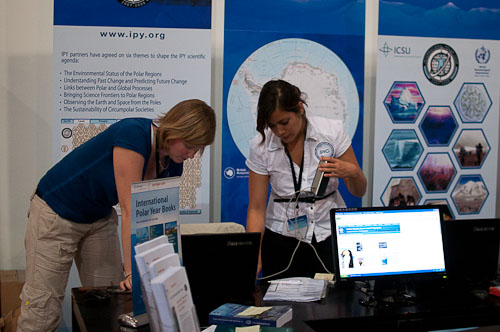
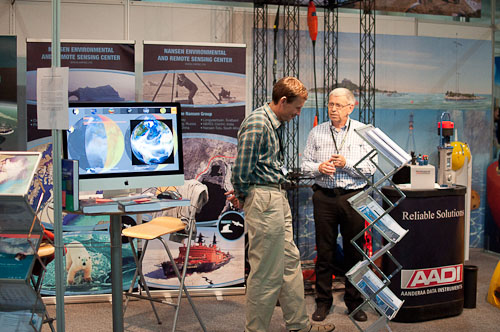
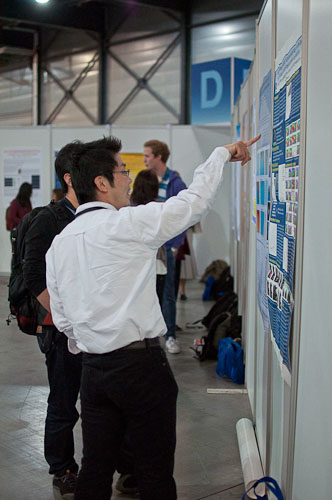
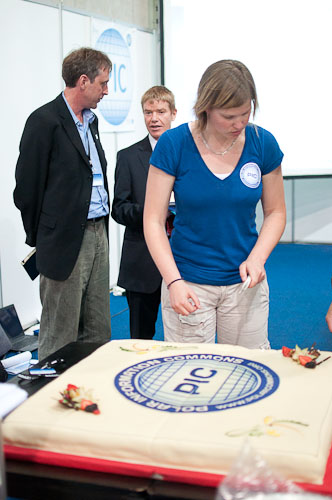
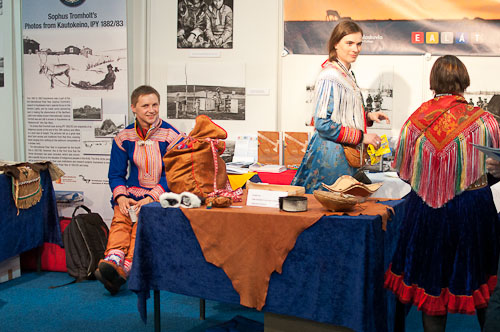
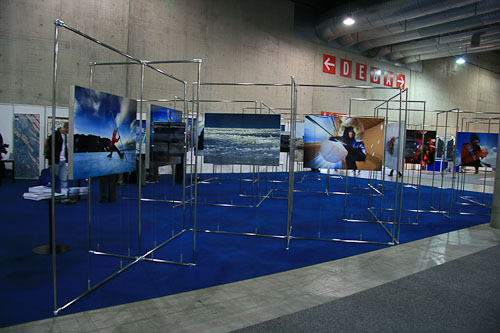
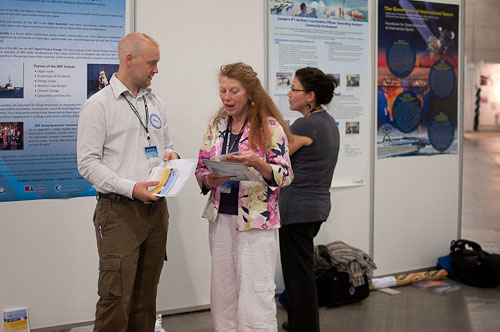 The polar Expo is located in a very large area and has almost all things polar on display ranging from small posters to massive arctic vehicles. The polar information commons were officially launched 16:15 and aims to insure that the IPY data legacy are more generally open and accessible and safely preserved for future generations.