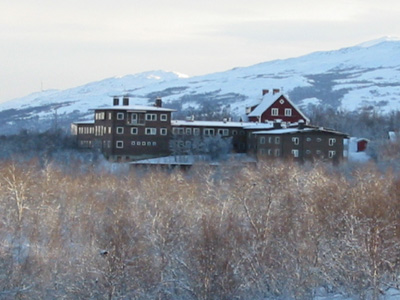
The Abisko Scientific Research Station introduces a PhD training course on multidisciplinary issues related snow and climate change effects on it. “Snowtalks” will be held on the 19th of March til the 23rd of 2012.
It is held in a co-operation with University of Arctic Thematic Networks on Global Change and Arctic Medicine.
There are four topics for this course:
- Long-term environmental changes (climate, permafrost, feed-back mechanisms, ecology).
- Changes in snow, what snow and ice means to Sámi and impacts of changes in snow.
- People’s health and wellbeing, infections, injuries and security, genetics, adaptation to climate change.
- Adaptation to climate change, sustainable land and resource use.
The course includes student presentations and assignments which will be informed in second circular. The course also includes outdoor activities. Students will be awarded 5-6 ECTS of completion of the whole course with the presentation (short presentation = 5 ECTS, long presentation with written abstract 6 ECTS).
The course is funded by Nordforsk Top-level Research Initiative “Effect studies and adaptation to climate change” as the fourth course organized by the Nordic Network “People and Ecosystems in a changing world”. The participation for the whole week will give PhD students certificates for gaining credits in their home organizations. Nordic PhD students are asked to apply for free participation including the travel grant, free admission and free accommodation when submitting the registration form.
Registration opens at course website in January 2nd, 2012, deadline February 17th 2012. Number of PhD students for the course is limited to 20.
The course is tought in English.
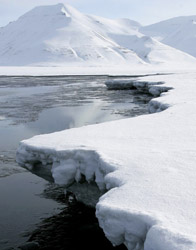
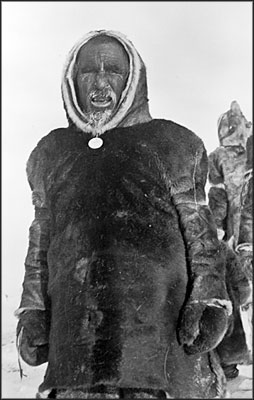 The Saami languages also categorize snow according to texture and context. For example, words used in connection with skiing and reindeer husbandry are different, even though the snow would be the same. It is also interesting to notice that even though Saami and Finnish are related languages and many of the words for snow in Saami sound familiar to Finnish speakers, the Finnish language itself only has three different official words for snow. The Saami word vahtsa means one or two inches of new snow on top of old snow. New wet snow is called slahtte and falling rain mixed snow slabttse. Falling wet snow lying on the ground is called släbtsádahka or släbsát. Skilltje, bulltje and tjilvve are words for snow and ice that fall on objects, reindeer moss and trees. Large lumps of snow hanging on the ridge are nearly always called bulltje. Åppås on the other hand is virgin, clear snow.