Author: it@arcticportal.org

  • Effects of Arctic Sea Ice Loss on Biodiversity, Weather Patterns and Local Population

    Effects of Arctic Sea Ice Loss on Biodiversity, Weather Patterns and Local Population

    Effects of Arctic Sea Ice Loss on Biodiversity, Weather Patterns and Local Population

    Less sea ice coverage and changes in melt patterns in the arctic has various implications for biodiversity of the Arctic regions, the affect is in many cases not clear and it’s full reach not clear, the few facts mentioned below should be considered as examples rather than a full analyze.

    The seasonal expansion and melt of sea ice in the Arctic is a defining feature of the highly productive ecosystem.

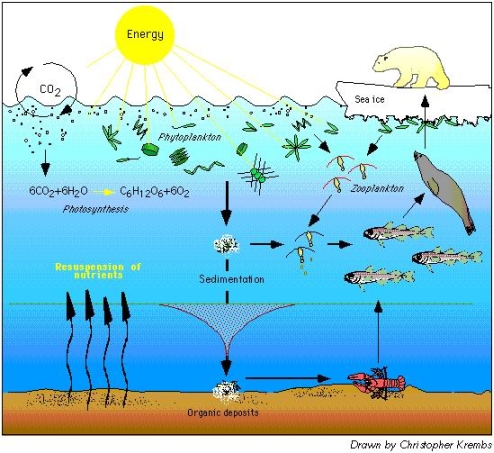
    The timing of the phytoplankton bloom, which supplies energy to the entire ecosystem, is regulated by the timing of the ice retreat.

    As temperatures increase, less sea ice forms and it melts earlier in the spring, resulting in delayed spring phytoplankton bloom. Algae and tiny animals inhabit sea ice, living in and on the under surface.

    In the spring when sunlight is returning, ice in the Arctic melts discharging those plants and animals into the water column where they stimulate a massive phytoplankton bloom. There is more plankton present than can be consumed by the zooplankton and so most of the nutrients fall to the seafloor feeding benthic animals. The ocean bottom in many parts of the arctic are a rich living seafloor providing abundant food for diving predators including walrus, gray whales and spectacled eiders.

    Warmer temperatures cause the melt to happen earlier than usual. Under this scenario, there has been less growth of ice algae and it is discharged before sufficient sunlight is present to cause the phytoplankton bloom. The bloom is then delayed until sunlight is available but without the added fuel from the ice algae. Less phytoplankton is produced and it is consumed by zooplankton before it reaches the seafloor. This scenario is considered more favorable to fish in the pelagic zone feeding on zooplankton.

    The change in timing of the phytoplankton bloom affects which predators consume the phytoplankton and the effect is carried all the way up the food chain. Colder temperatures and more sea ice normally support benthic (bottom-dwelling) communities like crustaceans and in turn the marine mammals and diving sea ducks that prey on them. In contrast, warmer temperatures and reductions in sea ice result in more food available for fish in the pelagic zone (water column). Scientists are concerned that a loss of spring phytoplankton production may in turn reduce the overall productivity of the Bering Sea ecosystem

    Quite a number of animals also directly base their subsistence on the Ice coverage such as polar bear, walrus, hooded seal and the narwhal. Sea Ice provides protection as well from predators like the killer whale also known as Orca whale that now have easier access to prey in arctic waters.

    The interlinkage of global warming and retreating sea ice is also likely to change the biological composition in the region as new species move further into the Arctic, with existing species moving further north, often creating challenges connected to their access to their food supply.

    The loss of ice will open the Arctic to new levels of shipping, oil and gas exploration and drilling, fishing, hunting, tourism, and coastal development. These, in turn, will add new threats to marine mammal populations, including ship strikes, contaminants, and competition for prey.

    Effect on whether patterns

    It is a common misunderstanding that melting Sea Ice will contribute to a rise in Sea levels, since the Sea Ice is already floating in the Ocean this would be very minimal and has been estimated to be around 4mm if the entire world Sea Ice melted. The loss of Sea Ice would however contribute to a overall warmer Arctic which will accelerate the melting of the Greenland icecap, which would lead to a Sea level rise of 20 feet or 6 meters. Such a Sea level rise could have quite a significant effect on the globe, the video below illustrates some of the effects of a rise of 6 meters.

    [http://www.youtube.com/watch?v=kgCYhU5ISwI&feature=player_embedded]

    Effect on the jet stream and planetary weather patterns

    Continued loss of Arctic sea ice may dramatically change global weather and precipitation patterns in the decades to come. The jet stream will probably move further north in response to warmer temperatures over the pole, which will bring more precipitation to the Arctic. More frequent and intense droughts over the U.S. and other regions of the mid-latitudes may result from this shift in the jet stream. Changes to the course of the jet stream affect weather patterns for the entire planet, and we can expect impacts on the strength of the monsoons and re-curvature likelihood of hurricanes.

    Francis et al. (2009) found that during 1979 – 2006, years that had unusually low summertime Arctic sea had a 10 – 20% reduction in the temperature difference between the Equator and North Pole. This resulted in a weaker jet stream with slower winds that lasted a full six months, through Fall and Winter. The weaker jet caused a weaker Aleutian Low and Icelandic Low during the winter, resulting in reduced winter precipitation over all of the U.S., Alaska, and Northern Europe. In contrast, increased precipitation fell over Spain, Italy, and Japan during these winters. The authors noted that strong La Niña or El Niño events can have a much stronger influence on the wintertime atmospheric circulation, which will overshadow the circulation changes due to summertime Arctic sea ice loss.

    Such as the strong La Niña event occurred during the winter of 2007 – 2008. In any case, reduced summertime Arctic sea ice should give most of the Northern Hemisphere a delayed start to winter during most years, for the foreseeable future.
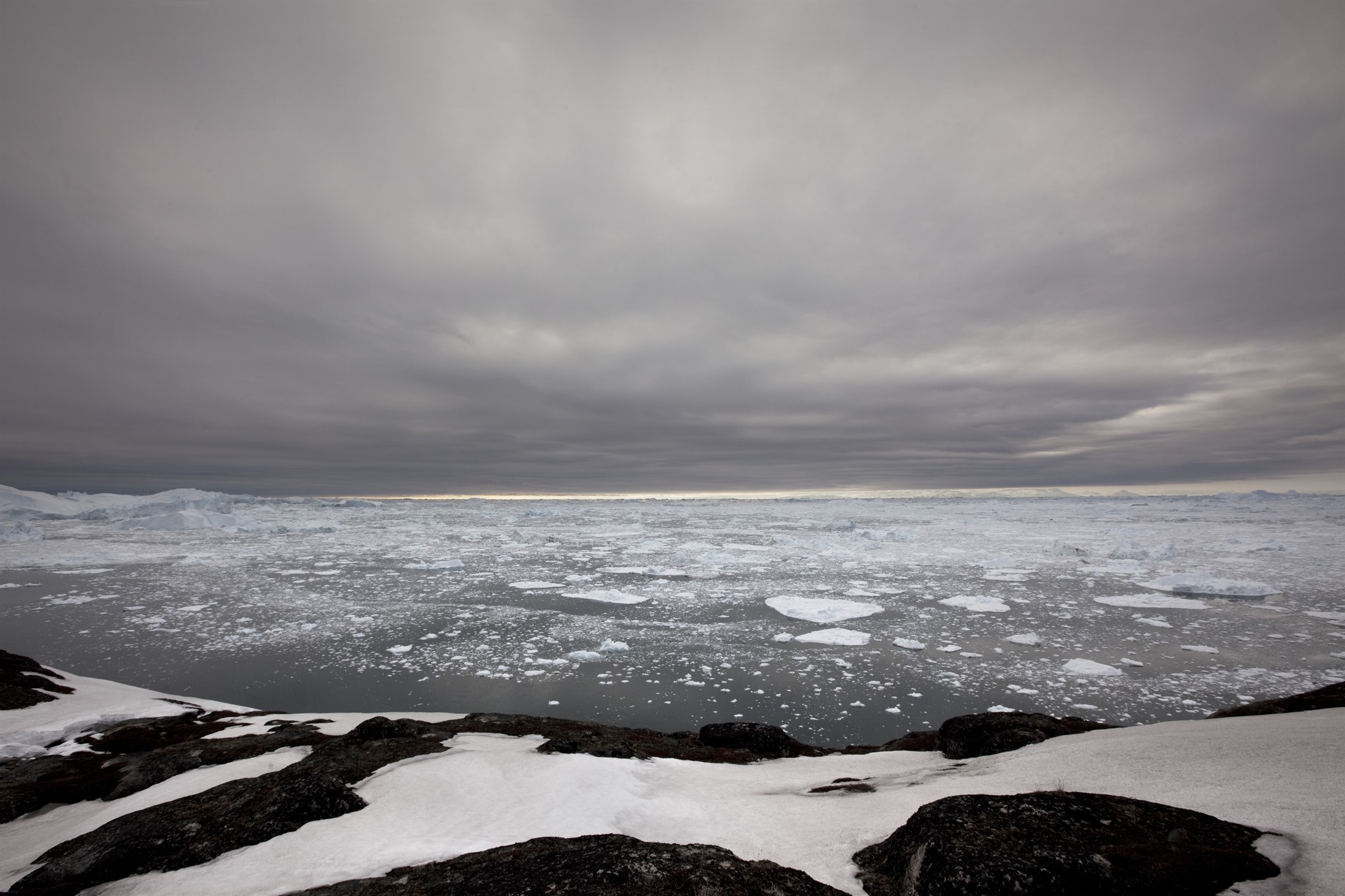
    arctic sea ice Ilulissat

    Coastal damage in the Arctic

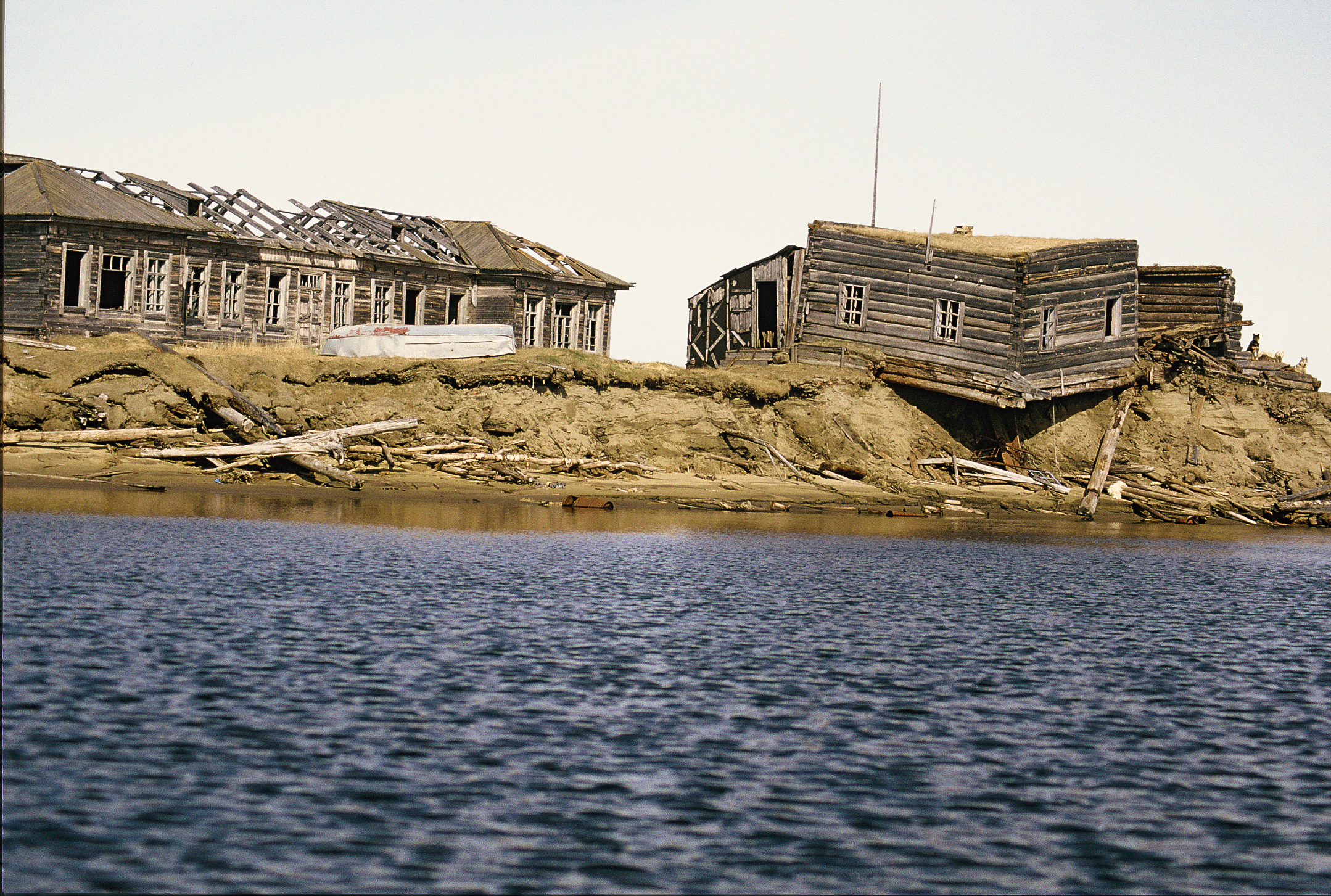
    More open water in the Arctic Ocean allows erosion due to wave action to affect the coast for longer periods, particularly during fall, when storms tend to be stronger with higher storm surges. The resulting destruction has already forced residents of the Alaskan town of Shishmaref to vote to abandon their village. More than half the residents of the nearby village of Kivalina were forced to evacuate on September 13 2007, when 25-40 mph winds drove a 3-4 foot high storm surge into the town. The U.S. Army Corps of Engineers built a $3 million sea wall to protect the town, but the wall has not been able to hold against recent storms. Over 100 feet of coastline has been lost in the past three years.

    More open water also means more moisture and heat will be available to power storms. These stronger storms will bringer higher winds and higher storm surges to coastal areas in the Arctic over the remainder of the 21st century, resulting in increased erosion and flooding of low-lying areas.

    Effect on the local population

    Sea Ice affects all people as a part of the whether system that enables humans and other species to exist, but the decline in sea ice will have a more prominent affect local people. Storms are likely to gradually become stronger and more frequent and land erosion by the sea will continue to increase. The declining sea ice and previously unknown changes commonly connected with climate change are having a significant effect on various indigenous groups in the Arctic.

    Subsistence activities still have a significant meaning to numerous arctic indigenous groups both from a cultural as well as economic stand-point. Numerous indigenous groups around the Arctic region have been very active in promoting the issues connected to climate change and traditional knowledge increasingly being accepted within the scientific community. Both indigenous groups as well as other inhabitants of the North will have to adapt to the changes at hand and due to the gradual nature of these changes it should be easier to adapt.

    The environment has of course been changing for all history even if these changes connected to global warming are unprecedented, many of these changes may offer quite a bit of opportunities alongside the challenges created.

    [http://www.youtube.com/watch?v=mX1BOLGgUwA&feature=player_embedded]

  • Job opportunities for PhD’s at the Thule Institute, University of Oulu

    Job opportunities for PhD’s at the Thule Institute, University of Oulu

    University of Oulu

    As a part of the University of Oulu recruiting funding programme Thule Institute is offering outstanding researchers with PhD’s Investigator Start-up Packages for five years The Deadline of applications is 30th of December 2010.

    Description of Recruiting Packages

    Research Fellow in River Basin Research

    The main duty of the research fellow is to carry out high-level research on climate change and land use impacts on river basins with special emphasis on research questions linking water resources, hydrology and ecology. Read more

    Research Fellow in Interdisciplinary and Transdisciplinary Research in Environmental Sciences

    The main duty of the Research Fellow is to carry out high-level research on interdisciplinary and/or transdisciplinary issues and methodologies in environment-related sciences and to publish the results in academic journals and volumes. The work includes the development of new research, and research-based teaching and graduate supervision activities.Read more

    Research Fellow in Sustainable Resource Management and Material Efficiency

    The main duty of the appointed person is to carry out high-level research on interdisciplinary issues and methodologies in material flows and resource efficiency and to publish the results in academic journals and volumes. The work includes development of new research, research-based teaching and supervision activities.Read more

    For more information please contact the Director of the Thule Institute, Professor Kari Laine.

    E-mail: kari.laine(at)oulu.fi

  • Arctic Sea Ice

    Arctic Sea Ice

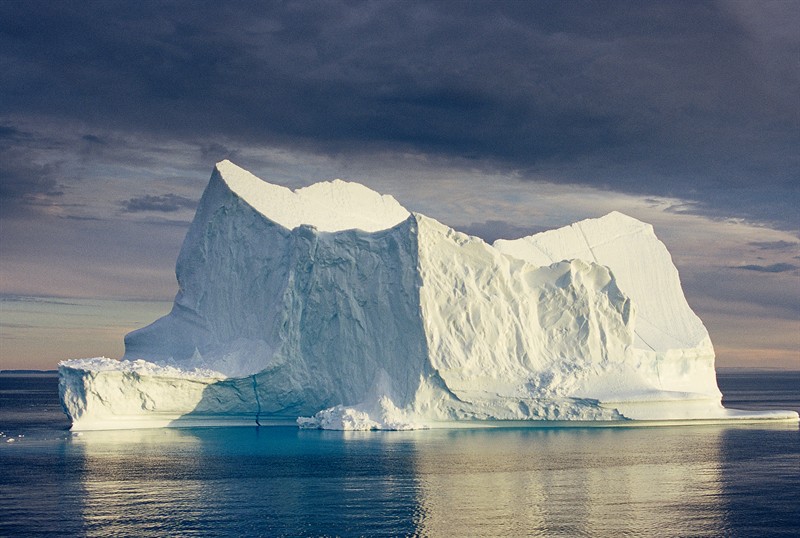
    Sea Ice in Disco Bay

    The Arctic Sea Ice is one of the key symbols of the cold and barren Arctic regions, and affects the lives of both arctic and non-arctic residents.

    Sea Ice significantly contributes to the worlds whether patterns and help to keep the globes temperature down.

    Measurements of sea Ice during 2010 have reinforced the general belief that the sea ice is declining year from year.

    In this coverage the AP will present an overview of these changes as well as some of the possible implementations, opportunities and effects this may have, based of information from leading scientific institutions involved in snow and ice measurements.

    Sea ice being white has a much higher reflection than other earths surfaces, making it function as a giant mirror reflecting the suns radiation into space. This is reflectiveness is referred to as “albeido” It has been estimated that Sea Ice reflects as much as 50-95% of the suns radiation while an open ocean surface only reflects about 10-15%.

    This reflection contributes significantly to keeping atmospheric temperatures cooler. Additionally this keeps the ocean in the northern hemisphere cooler, helping to maintain the planet’s ocean conveyor system. With the rapid decline in Sea Ice, documented in recent years there is the risk of a cicle of warming as higher atmospheric temperatures contribute to loss of sea ice and further loss of sea ice contributes to more atmospheric warming, this effect is known as the “ice-albedo feedback”.

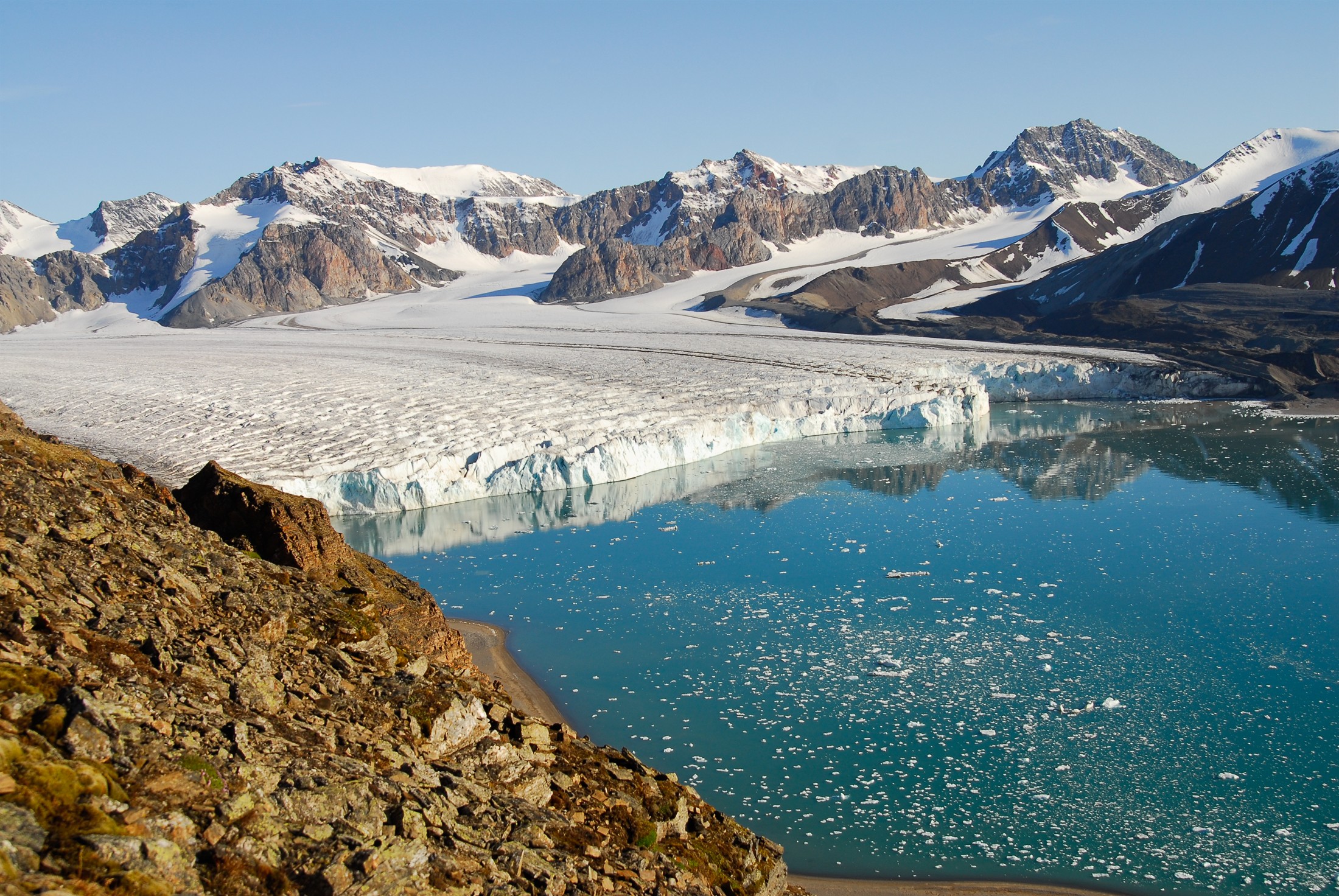
    Glacier Mouth, Krossfjorden, Svalbard

    The prevailing view among climate scientists had been that an ice-free Arctic ocean would occur in the 2070 – 2100 time frame. The February 2007 report from the U.N.-sponsored Intergovernmental Panel on Climate Change (IPCC), warned that without drastic changes in greenhouse gas emissions, Arctic sea ice will “almost entirely” disappear by the end of the century. The recent observations and the Holland et al. model study suggest that it is conceivable that a complete loss of summer Arctic sea ice will occur far earlier.

    In a 2007 interview published in The Guardian, Dr. Mark Serreze, an Arctic ice expert with the National Snow and Ice Data Center, said: “If you asked me a couple of years ago when the Arctic could lose all of its ice, then I would have said 2100, or 2070 maybe. But now I think that 2030 is a reasonable estimate. It seems that the Arctic is going to be a very different place within our lifetimes, and certainly within our children’s lifetimes.”

    While natural fluctuations in wind, ocean circulation, and temperatures are partly to blame for this loss of sea ice, human-caused global warming is also to blame. In the words of Dr. Serreze: “The rules are starting to change and what’s changing the rules is the input of greenhouse gases. This year puts the exclamation mark on a series of record lows that tell us something is happening.”

    Some argue that the process of achieving both consensus and rigor in the IPCC report yields a “conservative” estimate of climate change. It is true that predictions which involve phase changes are among the most difficult for climate models.

    This is made even more challenging for sea ice, which sits in water and is subject to amplified melting by stirring in the water, and is also sensitive to the local salinity of the water. If there are to be surprises in the predictions of climate change, then they are likely to involve phase changes. In a warming climate, this would involve the transition of water from ice to liquid.

    The decline of the Sea ice is likely to have a wide number of impacts to both the world in general and of course specifically the Arctic. These impacts are likely to be both negative and positive.

    The video below was put together by the Arctic Portal using data from the IARC-JAXA project showing the transition in Sea ice from June 2002- 14 July 2010.

    [http://www.youtube.com/watch?v=hpRYCEHJlLc]


    To learn more about the Arctic sea ice:

    Summary – The Greenland Ice Sheet in a Changing Climate.
    Snow, Water, Ice and Permafrost in the Arctic (SWIPA), 2009. Arctic Monitoring and Assessment Programme (AMAP), Arctic Council

    Global Glacier Changes: facts and figures. 2008. United Nations Environmental Programme (UNEP)

    Arctic sea Ice News and Analysis, The National Snow and Ice Data Center (NSIDC)

    Arctic sea-ice ecosystems, Arctic Biodiversity Trend 2010, CAFF, Arctic Council

  • Shell pushing to win approval for its plan to drill for oil in the Alaskan Arctic

    Shell

    Royal Dutch Shell is beginning a public lobbying campaign, including national advertising, on Monday. The giant oil company is promising to make unprecedented preparation to prevent the kind of disaster that polluted the Gulf of Mexico earlier this year. With the turmoil and damage created by the BP spill it can be imagined that they have quit a job to do.

    The plan is to drill in Alaska’s Beaufort and Chukchi seas is not a new venture but something that has been stalled by lawsuits and regulatory delays four years. The company was close to overcome all hurdles when the BP accident occurred. Due to the BP accident the Obama registration suspended most new offshore drilling, including within the sesitive waters of the Arctic. Since then the moratorium on gulf drilling has been lifted,Shell is pressing the Interior Department to grant final approval for its Arctic projects by the end of this year so that the company has enough time to move the necessary equipment to drill next summer, when the ice clears.

    following the BP accident, both individuals and official parties have become more aware of the environmental risks involved with such ventures which will hopefully lead to strenghtendend security meassures and the strengthening of response units, if such an accident is to o cure again.

  • The Battle Against Climate Change

    The Battle Against Climate Change

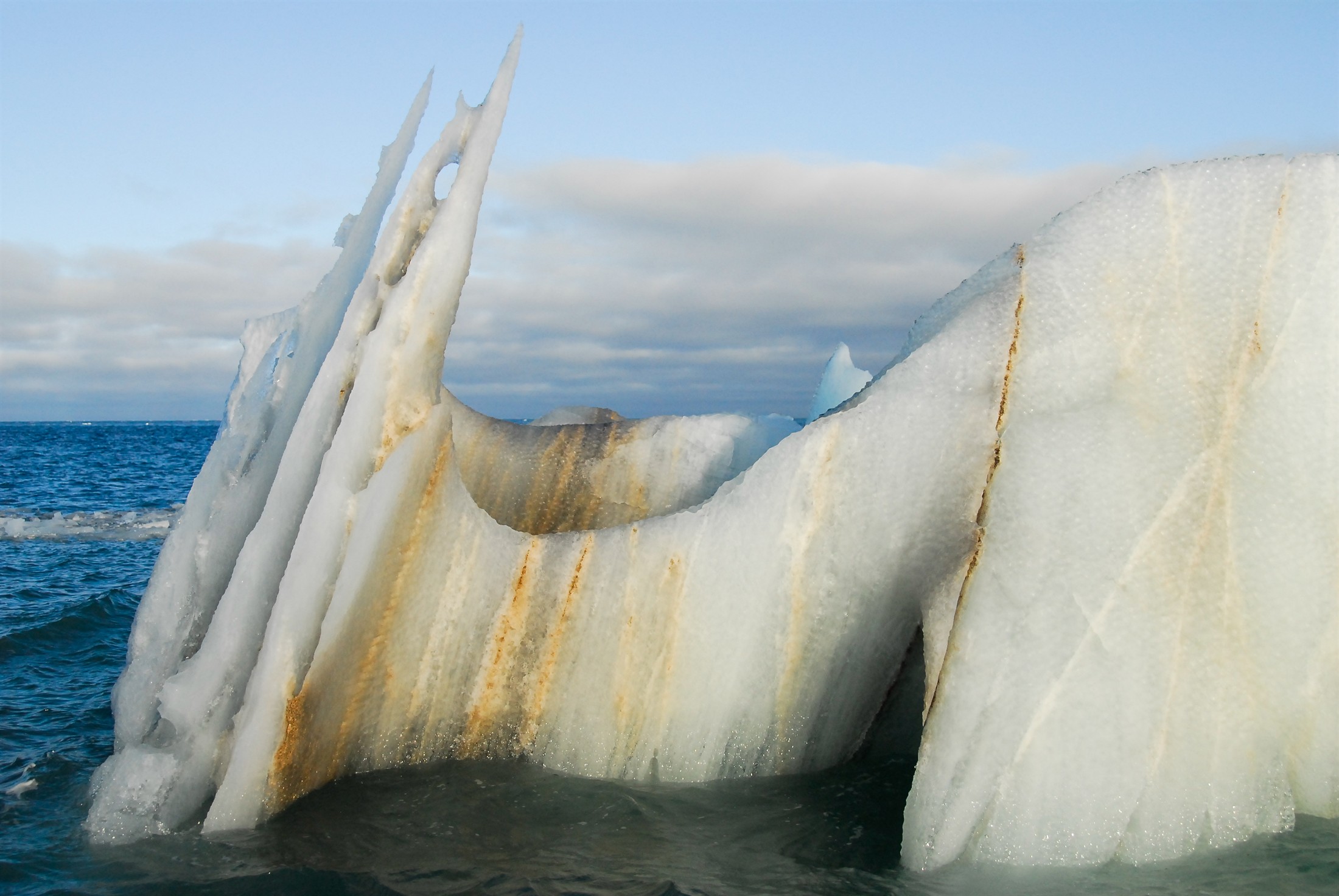
    Iceberg near Svalbard

    The International response to climate change was initiated at the Earth Summit in Rio De Janeiro in 1992 with the signing of the U.N Framework Convention on Climate Change (UNFCCC).

    It is an international treaty on environmental law aiming at reducing the greenhouse gas concentrations in the atmosphere.

    The UNFCCC does not lay down any binding limits of reduction, but divides the signatories to the convention in to three categories each category agreeing to reduce their emissions of greenhouse gas a certain amount.

    First category of industrialized countries, so called Annex I countries, agree to reduce their emissions of greenhouse gasses to targets that are mainly set below their 1990 levels. These countries are Australia, Austria, Belarus, Belgium, Bulgaria, Canada, Croatia, Czech Republic, Denmark, Estonia, Finland, France, Germany, Greece, Hungary, Iceland, Ireland, Italy, Japan, Latvia, Liechtenstein, Lithuania, Luxembourg, Monaco, Netherlands, New Zealand, Norway, Poland, Portugal, Romania, Russia, Slovakia, Slovenia, Spain, Sweden, Switzerland, Turkey, Ukraine, UK and USA.

    Annex II countries, developed countries that are to pay for the costs of developing countries for their efforts to reduce greenhouse gasses, are Australia, Austria, Canada, Denmark, Finland, France, Germany, Greece, Iceland, Ireland, Italy, Japan, Luxembourg, Netherlands, New Zealand, Norway, Portugal, Spain, Sweden, Switzerland, UK, USA and the European Union.

    Finally, in the Annex III are developing countries and countries with economy in a transition.

    Today, the UNFCCC enjoys near-universal membership having 192 signatory members. The members meet annually in Conferences of the Parties (COP), in which they assess progress and negotiate binding rules on greenhouse gas emissions. One of the most significant COPs has been the COP-3 in 1997 in Kyoto, Japan, where the so called Kyoto Protocol, the legally binding protocol on emission reduction, was adopted.

    Kyoto Protocol

    The major feature of the Kyoto Protocol where the targets for 37 industrialized countries and the European Community for reducing greenhouse gas emissions .The target is an average of five per cent against 1990 levels between 2008-2012. In addition to the limits, the Kyoto Protocol introduces three mechanisms how the targets are to be met. Primarily, the countries must reduce their emissions through national measures, meaning that they have to take action to actually diminish their greenhouse gas pollution. But since the economies of most countries are highly dependent on indutries that are high pollutors, three other mechnisms were introduced to ease the reduction scheme.

    The first mechanism introduced in the Kyoto Protocol is the Emissions Trading. Emissions trading, as set out in Article 17 of the Kyoto Protocol, allows countries that have emission units to spare – emissions permitted them but not “used” – to sell this excess capacity to countries that are over their targets. This scheme is in use for example in the European Union and is one of the largest trading schemes in operation.

    Second mechanism provided by the Kyoto Protocol is the Clean Development Mechanism (CDM), defined in Article 12 of the Protocol. The CDM is a purchase system where saleable certified emission reduction (CER) credits can be earned by implementing an emission-reduction project in developing countries. This is a unique global environmental investment system and there exists now 1849 registered CDM project activities.

    Third mechanism is so called „joint implementation” ,defined in Article 6 of the Kyoto Protocol. The „joint implementation” allows an Annex II country to earn emission reduction units (ERUs) from an emission-reduction or emission removal project in another Annex II country through a flexible and cost-efficient foreign investment and technology transfer.

    The Kyoto Protocol entered into force on 16 February 2005 and has today been ratified by 184 countries.

    COP 15 – Copenhagen, 7-18 December 2009

    The 15th Conference of the Parties to the UNFCCC (COP 15) and the 5th Meeting of the Parties (MOP 5) to the Kyoto Protocol will be held in 55 days, 7-18 December 2009, in Copenhagen, Denmark. The COP15 / MOP5 are of special significance because of the goals set forth in the Bali Road Map. In the Bali Road Map it was stated that in Copenhagen, a post-Kyoto Protocol action is to be negotiated. The fact is that the consequences of the climate change are getting increasingly apparent and in the Arctic alone it has been estimated that the sea ice will melt in ever accelerating rate the North pole being ice free over the summer time already as soon as in 2040.

    Ad Hoc Working Group on Kyoto Protocol (AWG-KP) has been preparing the COP 15 / MOP 5 and most participants seem to agree that a positive outcome for the global community can be reach in the COP Meeting. However, it is to be seen how the global recess has influenced the ability of the major industrialized countries to act upon their commitments and how far they are willing to go to futher the legally binding commitments for the post-Kyoto era.

    Uppdate 2010: Cop 15 was concluded a while ago and it can be said that it did by no means live up to the high hopes that it would be a landmark in dealing with climate change.

    The Arcitc Portals coverage of COP 15 can be seen HERE.

  • Effects of Climate Change

    Effects of Climate Change

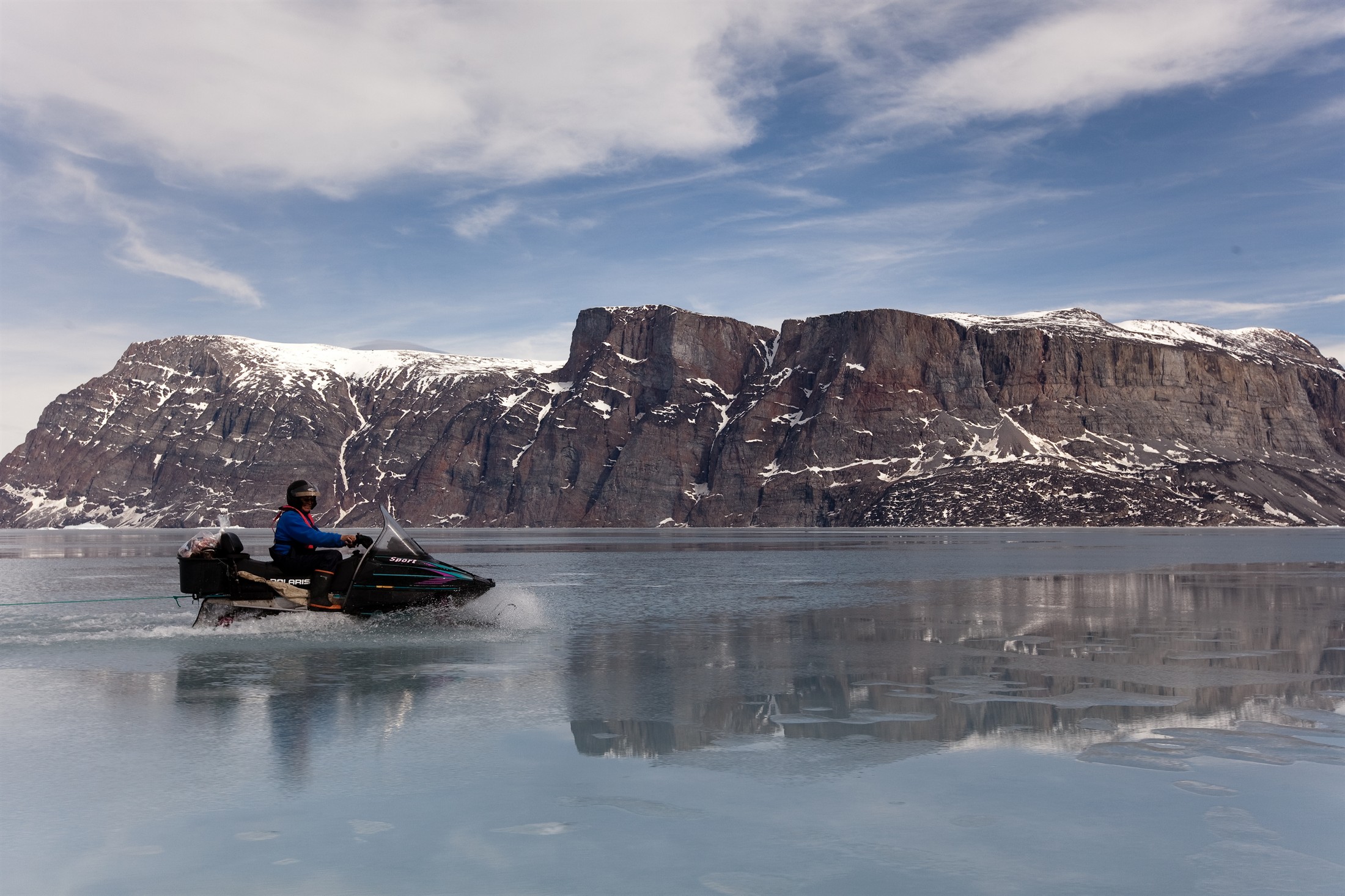
    Snow mobile travel over sea ice in Uummannaq, Greenland

    The effects of global warming are believed to be extensive. Estimating the precise effect is not possible as there as several unknowns in the equation so this should be regarded as best available estimates rather than facts.

    The International Panel on Climate Change (IPCC) predicts that global warming will continue to grow and get worse much faster than was expected. Effects of a rise in global temperature are severe.

    Warm and dry countries will become even drier and warmer often severely challenging the local population and making water an even scarcer commodity than it is today. Countries within most continents are likely to be affected by this but most prominently large regions of Africa. This will add to political unrest and some scientist have estimated that large migrations of people to north may follow as regions of the globe will no longer be available to sustain its current population.

    The list below includes some of the estimated effects:

    • Most places will continue to get warmer. The temperature change will benefit some regions while harming others. Globally mortality will rise and food supplies will be scarcer due to more frequent heat waves.
    • Weather patterns will continue to change and intensify. Stronger floods and droughts where wet regions will get wetter and dry regions dryer. Extreme weather events will become more frequent and worse. Glaciers and winter snow will shrink endangering many water supply systems.
    • Sea Levels will continue to rise for many centuries. Rising sea levels will endanger many of the worlds largest city’s in the world including cities like New York to Shanghai. Thirteen of the world’s fifteen largest cities are on coastal plains.
    • Ecosystems will be stressed. Some managed agricultural and forestry systems may experience a short time gain while long time effect may be drastic. Species in the Arctic, mountain areas
      and in the seas will move towards more habitable climate and species that can not move, like the polar bear, will face extinction. Furthermore tropical diseases and pests will spread to other regions. Many of these problems have been observed already in numerous places.
    • Increasing carbon dioxide levels will affect biological systems. This may affect the fertilization of plants. The oceans will continue to become more acidic, endangering coral reefs and affecting the fisheries and other marine life.

    Source: Spencer R. Weart

    Here below you can watch “Observations on Climate Change in the Arctic by WWF

    [http://www.youtube.com/watch?v=Jak1pExql0U]

  • Causes of Climate Change

    Causes of Climate Change

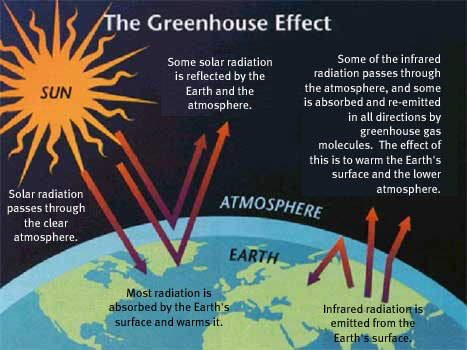
    The Greenhouse Effect

    Most of the observed temperature increase since the 1940-50’s were caused by increasing concentration of greenhouse gases.

    Greenhouse gases closely correlate human activity such as fossil fuel burning and deforestation.

    Greenhouse gases are gases in an atmosphere that absorb and emit radiation within the thermal infrared range.

    This process is the fundamental cause of the greenhouse effect.

    Greenhouse gasses are in the correct amount quite necessary and natural and without them it has been estimated that the earth surface temperature would be on average 33 degrees colder.

    The main greenhouse gases in the earth atmosphere are in accordance to their abundance:

    • water vapor
    • carbon dioxide
    • atmospheric methane
    • nitrous oxide
    • ozone
    • chlorofluorocarbons

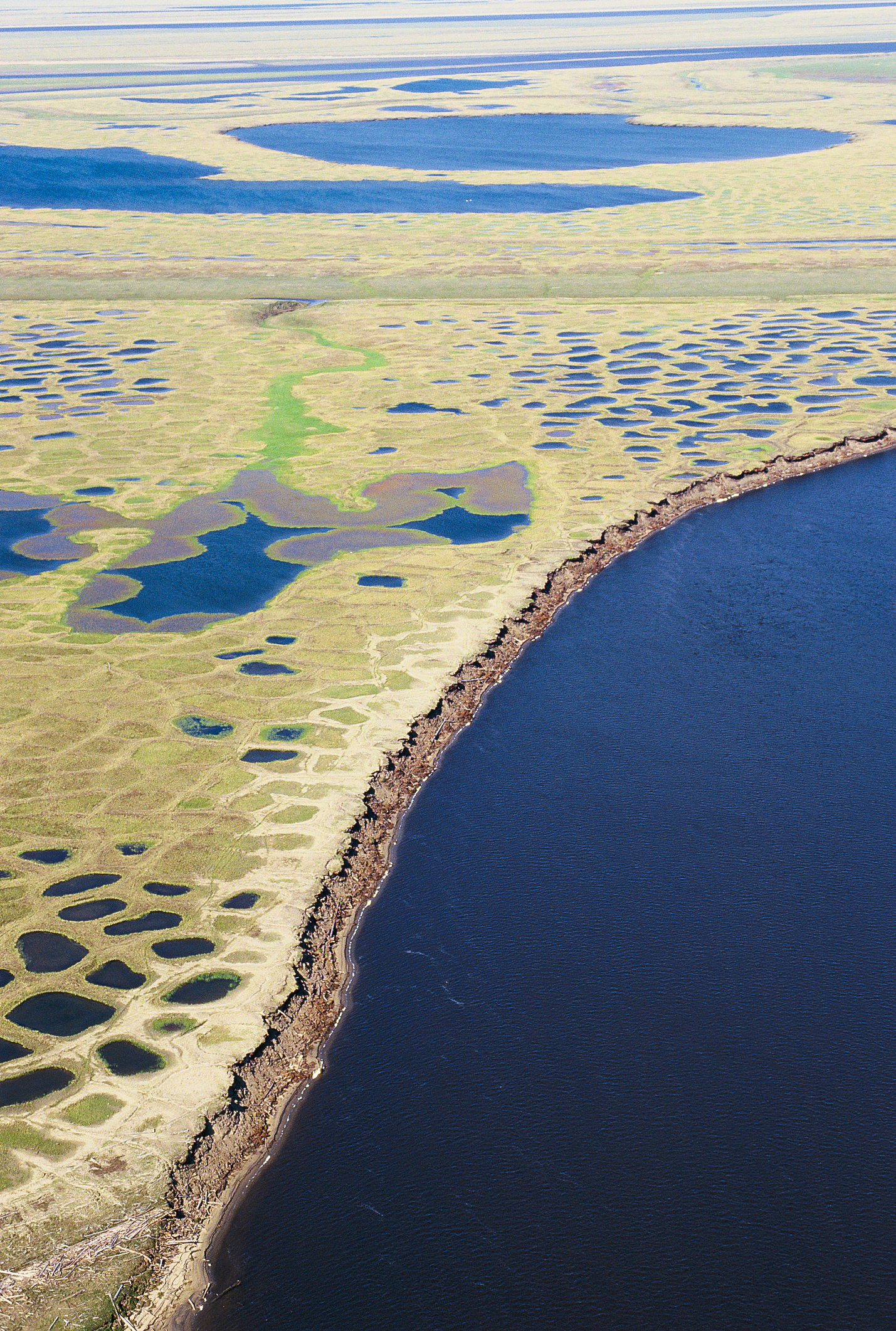
    Polygon Lakes in the Arctic Tundra

    From the beginning of the Industrial revolution the release of carbon dioxide or Co2 has increased dramatically. Most of the observed temperature increase since the middle of the 20th century was caused by increasing concentrations of greenhouse gases, which results from human activity such as fossil fuel burning and deforestation.

    Global dimming, a result of increasing concentrations of atmospheric aerosols that block sunlight from reaching the surface, has partially countered the effects of greenhouse gas induced warming.

    Climate model projections summarized in the latest IPCC report indicate that the global surface temperature is likely to rise a further 1.1 to 6.4 °C (2.0 to 11.5 °F) during the 21st century. The uncertainty in this estimate arises from the use of models with differing sensitivity to greenhouse gas concentrations and the use of differing estimates of future greenhouse gas emissions.

    An increase in global temperature will cause sea levels to rise and will change the amount and pattern of precipitation, probably including expansion of subtropical deserts.

    Warming is expected to be strongest in the Arctic and would be associated with continuing retreat of glaciers, permafrost and sea ice.

    Other likely effects include changes in the frequency and intensity of extreme weather events, species extinction, and changes in agricultural yields.

    Warming and related changes will vary from region to region around the globe, though the nature of these regional variations is uncertain.

    The scientific consensus is that anthropologic global warming is occurring. Nevertheless, political and public debate continues. The Kyoto Protocol is aimed at stabilizing greenhouse gas concentration to prevent a “dangerous anthropogenic interference”. As of November 2009, 187 states have signed and ratified the protocol. Source: (IPCC)


    Learn more about the Kyoto Protocol HERE

  • Introduction to Climate Change

    Introduction to Climate Change

    climate house

    The Arctic Portals Climate Change and Sea Ice Portal is intended to give individuals access to material according to each ones need in connection to the subjects This will consist of recent news articles, scientific reports and other relevant material.

    Climate Change or Global Warming refers to the increase in the average temperature of the Earth’s near surface air and oceans since the mid 20th century.

    The International Panel on Climate Change (IPCC) has concluded that increasing greenhouse gas concentration resulting from human activity such as fossil fuel burning and deforestation are the biggest contributors to global warming.

    Climate Change is, in the eyes of many, the key issue in the Arctic and one of the key issues faced by human kind as a whole. Climate change has been highly disputed and there are those who maintain that human induced climate change does not exist and the swift warming occurring over the two last centuries is a part of the earth’s natural cycle.

    It can, non the less, be said that within the scientific community there is a relative consensus that global warming is indeed at least partially human induced. The scientists that conclude that human effect is marginal are all but extinct.

    Since the 1880, average temperatures have climbed 0.8° Celsius (1.4 ° Fahrenheit) and the rate of warming is increasing. Much of this increase can be traced back to the last couple of decades. The 1980’s and 90’s were the hottest in 400 years and possibly the warmest for several millennia. IPCC reported in 2007 that 11 of the past 12 years had been among the dozen warmest since 1850. Further increase of 1.1° to 6.4° Celsius (2.0 ° to 11.5 ° Fahrenheit) have been estimated during the twenty first century.

    Here below you can watch short Global Warming 101 by the National Geographic.

    [http://www.youtube.com/watch?v=oJAbATJCugs]

    To learn more about climate change:

    United Nations Environment Programme (UNEP) Climate Change Factsheet, July 2010

    United Nations Environment Programme (UNEP) The Climate Change Science Compendium 2009

    Global Climate Observing System

    Arctic Climate Impact Assessment (ACIA)

    National Oceanic and Atmospheric Administration (NOAA) Arctic Theme page

  • Finland’s strategy for the Arctic region

    Finland’s strategy for the Arctic region

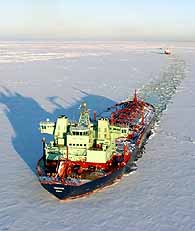
    Jaanmurtaja Icebreaker

    Over the past decade or so the world has become to realise the great importance of the Arctic region to the global ecology.

    New geopolitical situation that emerged after the end of the cold war enabled new scientific research and gradually the economical potential of the region came apparent. This notable change in how the Arctic is perceived has led to a series of new policy statements. Norway was the first Arctic country to establish an Arctic Policy in 2006 under the name “Norwegian High North strategy” and today, seven out of the eight Arctic Countries have an Arctic policy in addition to the EU Commission communication on European Union and the Arctic region.

    Finland was seventh Arctic country to draft an Arctic Policy. The Strategy was released June 4, 2010 and concentrates on seven priority sectors: security, environment, economy, infrastructure, indigenous peoples, institutions and the European Union. The strategy is not a final measure but rather a starting point in shaping Finland’s Arctic policy and will contribute to EU’s Arctic Policy, which is currently a work in progress.

    The strategy identifies as biggest security threats increasing seafaring and exploitation of the natural resources. Though there is no race to the natural resources in sight, activities in the region should continue to be based on the rule of international law and in order to protect the Arctic environment best practices and sustainable development should be pursued in activities throughout the region. The strategy recognizes that infrastructure is still lacking both onshore and offshore and needs to be improved in collaboration with neighboring countries. What comes to the economical potential of the region has Finland Arctic expertise in various sectors, especially in marine technology and logistics, which can be utilized in the large projects particularly in the Barents Region, but also in crosspolar transportation.

    Alexander Stubb

    According to the strategy will Finnish Sami continue to enjoy their rights as indigenous peoples and Finland will continue the work towards a national solution which will meet the minimum requirements of the ILO Convention on Indigenous and Tribal Peoples no.169.

    In the institutional level Finland emphasizes the importance of the Arctic Council as a forum for discussion and decision making. Finland lays down proposals for strengthening the Council so that the Council will be better prepared to act upon the contemporary situation. These proposals include revision of the mandate and working methods of the Council, better burden-sharing and a joint budget, establishment of a permanent secretariat, expansion of the normative role of the Council, enhanced interaction with non-Arctic actors and creation of a Communications and Outreach Strategy for the Council. In addition, Finland offers to host an Arctic Summit, a conference at the highest level, under the auspices of the Arctic Council to discuss and respond to the environmental concerns rising from the natural resource exploitation, to discuss the legitimacy of different actors in the Arctic and to the future development of the Arctic Council.

    But since Finland is an EU member state, as are Sweden and Denmark also, the EU Arctic Policy will play as well important role in Finnish Arctic strategy. The Strategy outlines that EU should consider the special features of the Arctic Region in the Union’s various policy sectors and increase its input in the area.
    Finland supports an establishment of EU Arctic Information Centre at the Arctic Centre of the University of Lapland and concurs the EU admittance as an permanent observer member of the Arctic Council.

  • Norwegian Continental Shelf Interests Oil Companies

    Norwegian Continental Shelf Interests Oil Companies

    Norwegian Petroleum Directorate

    Norwegian Petroleum Directorate/Barents Observer – 37 companies have applied exploration license in the 21st licensing round on the Norwegian continental shelf in the Norwegian Sea and Barents Sea areas. The Norwegian Petroleum Directorate is very pleased with the number of applications and says that company considered a competent applicant must have technical expertise and a sound understanding of geology in addition to financial strength and experience.

    The Norwegian Pension Fund, in which the petroleum exploitation revenue is saved, is still growing and is now approaching NOK 3000 billion, which is more than one million NOK per each family in Norway. The total Norwegian oil production this year is estimated at 2.2 million barrels a day, which is five percent down from 2009. Gas production in 2010 is expected at 105 billion standard cubic metres, which represents approximately 45 percent of total Norwegian petroleum production.

    The total recoverable resources at the shelf amount to approximately 13.4 billion standard cubic meters oil equivalents. After 40 years of production, nearly sixty percent of the expected resources remain to be produced.