Tag: Arctic Council

  • AC will collaborate on climate change

    AC will collaborate on climate change

    UN FCCC

    Recent statement issued by the Arctic Council during the UN Climate Change Conference that took place in Warsaw, assured collaboration against the climate change.

    Issued on behalf of all of the group’s members – Denmark, Finland, Iceland, Norway, Russian, Sweden and the United States, and six indigenous permanent participant organisations – the council said it remains committed to working with other countries under the auspices of the UN to reduce global greenhouse gas emissions.

    The Arctic Council recognized the need to reduce carbon dioxide emissions, minimize emissions of short live climate pollutants, particularly black carbon, methane and hydroflurocarbons, which are contributing significantly to near – term impacts in the Arctic.

    To read more about key decisions of Warsaw Climate Change Conference 2013, please access the conference website.

  • CAFF presents Biodiversity Assessment

    CAFF presents Biodiversity Assessment

    the Arctic Council ministerial

    Today, 14th of May 2013, Ministers gathered in northern Sweden welcomed the Arctic Biodiversity Assessment, prepared by CAFF (Conservation of Arctic Flora and Fauna) one´s of the Arctic Council six working groups.

    The Arctic Biodiversity Assessment is expected to be the best available science informed source on traditional ecological knowledge and status and trends of Arctic biodiversity. It also contains policy recommendations for biodiversity conservation.

    Tomorrow, on 15 May 2013 the Arctic Council will hold its biennial Ministerial Meeting in Kiruna in the north of Sweden. Approximately 300 people – ministers, delegates from the eight Arctic states (Canada, Denmark, Finland, Iceland, Norway, Russia, Sweden, and the United States), representatives of indigenous peoples, scientists and observers – will gather in to mark the end of the two-year Swedish chairmanship and the beginning of the Canadian chairmanship of the Arctic Council.

    The Arctic Council is a high level intergovernmental forum to provide a means for promoting cooperation, coordination and interaction among the Arctic States, with the involvement of the Arctic issues, in particular issues of sustainable development and environmental protection in the Arctic. The scientific work of the Arctic Council is carried out in six expert working groups.

    Source

    CAFF

  • Development for the People of the North

    Development for the People of the North

    Leona Aglukkaq during her speech

    The overarching theme of the Canadian chairmanship for the Arctic Council will be Development for the People of the North. Upcoming president Leona Aglukkaq declared this in a speech at the Arctic Frontiers conference in Tromsø.

    Canada will have three sub-themes. The first will be Responsible Arctic Resource Development, second is Safe Arctic Shipping and the third one Sustainable Circumpolar Communities.

    Aglukkaq introduced herself at the conference as Canada takes over from Sweden as the Chair of Arctic Council this year. Aglukkaq is a member of the parliament in Canada for Nunavut, growing up in the small community Gjoa Haven.

    “The traditional knowledge and expertise of the people living in the Arctic was crucial to the success of discovering a new frontier for Amundsen. And I believe it will also be the key to the future success of the Arctic Council.”

    “The quickly changing state of the Arctic region will present a new frontier for all of us in the next few years. We will be faced with challenges and opportunities – some will be positive, some perhaps not. But if we are to successfully navigate the future of the Arctic, we must build a bridge between the traditional knowledge of the people who live there, and the new realities of the present.”

    Aglukkaq has already met with Northern Canadians about the Canadian chairmanship and its priorities and since December she has met with all the Arctic Council states.

    “My discussions with my counterparts, members of the business community and representatives of the Sami have been very productive and informative. I heard a clear message during all of my domestic and international consultations: the well-being and prosperity of people living in the North must be at the forefront of Canada’s Arctic Council priorities.”

    Source

    Speech by Leona Aglukkaq

  • New Arctic Council minister visits Iceland

    New Arctic Council minister visits Iceland

    Leona Aglukkaq and Össur at the meeting

    The Icelandic Minister for Foreign Affairs, Össur Skarphéðinsson met with Ms. Leona Aglukkaq, Canada’s health minister and newly appointed Minister of Arctic Affairs in Iceland yesterday.
    Following her visit to Reykjavík, Aglukkaq will travel to the other Nordic states to introduce Canada’s Chairmanship Programme for the Arctic Council.

    At their meeting the ministers discussed cooperation between the countries and the their policies within the Arctic Council as Canada will take on the chairmanship of the Arctic Council at the council’s ministerial meeting in Kiruna May 15.

    Leona Aglukkaq who will lead the chairmanship, said Canada’s overarching theme would be promoting projects that have practical implications for the inhabitants of the region, including economic growth and the development of natural resources in a sustainable manner, safer Arctic shipping, engagement with industry and the business community and cultural cooperation within the Circumpolar region.

    “Our main agenda is development of the people in the Arctic, sustainable and safe exploitation of resources and safe shipping in the Arctic,” she told Morgunblaðið.

    The Foreign Minister expressed his view that strong regional and political cooperation within the Arctic Council, aimed at constructive projects and agreements is one of the pillars of Iceland’s Arctic policy. The Minsters agreed on the importance of strengthening practical cooperation of the Arctic States on responses to environmental disasters, e.g. by supporting prevention and responses to shipping accidents and oil spill in the Arctic.

    The Foreign Minister also emphasized the importance of developing further ideas on economic cooperation with the possible establishment of Circumpolar Chamber of Commerce. The issue of permanent observers was discussed and the future development of the Arctic Council and its role in the global context.

    After her meeting with the Foreign Minister, Ms. Aglukkaq met Ms. Svandísi Svavarsdóttir, Minister for the Environment and Natural Resources and experts from institutes working with Arctic affairs in Iceland.

    Sources

    Ministry of Foreign Affairs

    Morgunblaðið

    The Arctic Council website

  • Canada meets Sweden for Arctic Council

    Canada meets Sweden for Arctic Council

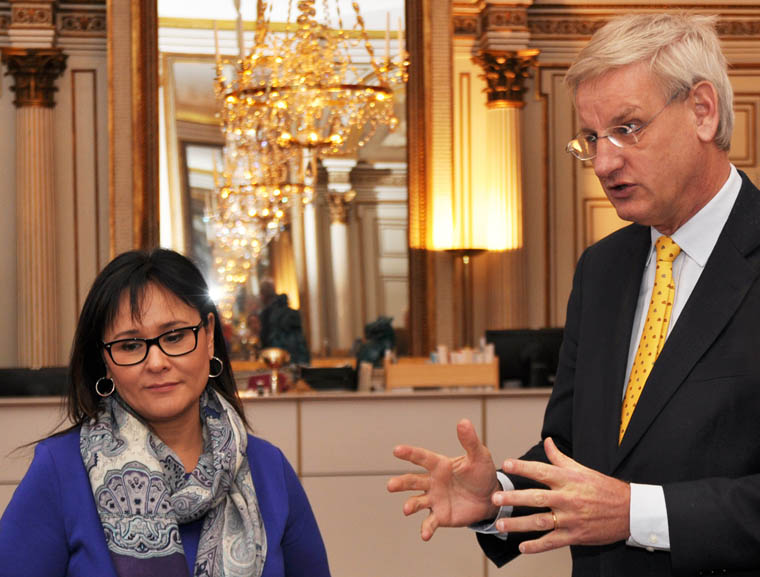
    Leona Aglukkaq and Carl Bildt at the press conference

    Canada will take over chairmanship in the Arctic Council in May 2013 from Sweden. The two countries have close cooperation for a smooth process when Canada takes its second chair of the council.

    Established in 1996, all eight Arctic States have held the Chair for the Arctic Council, with Sweden now completing the round.

    Sweden Minister for Foreign Affairs Carl Bildt met Canada’s Minister for the Arctic Council Leona Aglukkaq last week. Canada will serve as chair under Ms. Aglukkaq’s leadership, for the period 2013–2015. The work of the Arctic Council to protect the environment from oil spills, and Canada’s plans for its upcoming Chairmanship, were discussed at the meeting.

    Ms. Aglukkaq is now visiting the member states to introduce herself as the person who will lead Canada’s two-year chairmanship period. Tuesday it was the turn of Sweden and Minister for Foreign Affairs Mr. Carl Bildt.

    “We have worked to become more visible globally with regard to climate change, and to draw attention to the fact that climate change is occurring twice as fast in the Arctic than in the rest of the world. Awareness of this is now much greater in the global debate. This must be translated into political action, which takes a little longer. But I think we have made progress, for example on the issue of black carbon in the Arctic.” said Mr. Bildt.

    “Our priorities focus on development for people in the north: responsible resource development, safe shipping and sustainable circumpolar communities. The final priorities will be finalised when consensus has been reached in the Arctic Council at the Ministerial Meeting in Kiruna in May,” said Ms. Aglukkaq.

    During its chairmanship of the Arctic Council in 2011–2013, Sweden has worked to strengthen environmental protection during oil exploration in the Arctic. This has been achieved by developing safety standards based on best practice in the industry and negotiating an international agreement on cooperation in the event of oil spills. Sweden has also led efforts to establish the new permanent secretariat of the Arctic Council in Tromsø, Norway, which will open in May 2013, the Arctic Council website says.

    Sources

    Arctic Council

    Swedish Chairmanship

  • Live from Arctic Resilience workshop

    Live from Arctic Resilience workshop

    Reindeer in the wild

    Arctic Portal is broadcasting live from the Arctic Resilience Report (ARR) workshop in Kautokeino, Norway, this week. The ARR is an Arctic Council project led by Stockholm Environment Institute and the Stockholm Resilience Centre.

    We will broadcast the sessions today and tomorrow live and the sessions will also be available on the Arctic Portal website later.

    The schedule for today is as follows: (all times on Norwegian time)
     

    09:00 – 09:20 Welcome address

    – Niko Valkeapää, Vice President, Saami Council

    Johan Mathis Turi, General Secretary, Association of World Reindeer Herders (WRH)

    09:20 – 10:40 Key note presentations

    Johan Rockström, Professor, Stockholm Resilience Center, Arctic resilience in a global perspective

    Inger Marie Gaup Eira, Associate Professor, Sámi University College: Sami language as the source of traditional knowledge in resilience research

    – b, Associate Professor, Sámi University College: Siida and traditional knowlegde

    10:40 – 11:10 Coffee break

    11:10 – 12:00 Arctic Resilience Report Project overview and methodology

    Chair: Johan Rockström and Anders Oskal

    Presentations:

    Annika E. Nilsson, PhD, Stockholm Environment Institute: Arctic Resilience Report. Background and project overview

    Martin Sommerkorn; WWF – Global Arctic Program: Conceptual overview of the ARR methodology

    Sarah Cornell, PhD Stockholm Resilience Center: The ARR approach to assessing thresholds in the Arctic

    12:00 – 13:00 Lunch

    13:00 – 15:00 Thresholds in the Arctic

    Chairs: Johan Rockström and Anders Oskal

    Presentations:

    Robert Corell, PhD, Climate change and critical thresholds in Arctic societies and resilience assessments?

    Paul Overduin, PhD, Alfred Wegener Institute: Thresholds in coastal systems

    Mark Nuttall, Professor, University of Alberta/University of Greenland: Thresholds in social systems – some reflections (video link)

  • Agreement to sign oil spill response treaty

    Agreement to sign oil spill response treaty

    Össur signed the agreement

    The eight member states of the Arctic Council have agreed to sign a binding treaty concerning response for potential oil spills in the Arctic.

    This was agreed yesterday in a meeting in Reykjavík, Iceland.

    The joint defense and response agreement will be developed over the coming months.

    The specific meeting about this issue in Reykjavík saw 70 representatives talk about the issue, with the conclusion of agreeing to sign a binding agreement, with the joint responsibilities.

    The cooperation will amongst other things, touch on information sharing and response exercises. The countries already have various equipment and knowledge on the issue, but it might be different between countries how well they are prepared.

    “This is a huge agreement,” foreign minister of Iceland, Össur Skarphéðinsson, told Fréttablaðið newspaper.

    “This agreement is historic and a very important step for us, because this agreement has been one of the cornerstones of Iceland’s Arctic policy in recent years and I especially welcome that the agreement is signed in Reykjavík,” he added.

    Source

    Fréttablaðið

  • Iceland supports China in Council efforts

    Iceland supports China in Council efforts

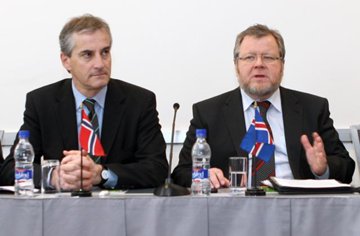
    Össur Skarphéðinsson and Jonas Gahr Störe

    Iceland supports China in its effort to become a permanent observer in the Arctic Council. Norway opposes.

    China currently has an ad-hoc observer status along with the European Union, Italy, Japan and South Korea. They all have to send request to observe each meeting, but they are usually granted.

    China, EU, Italy and South Korea were all denied a permanent observer status in 2009.

    Permanent observers receive invitations for most Arctic Council meetings and they have an easier way to participate in Council-related projects.

    Iceland is now trying to smooth the stiff relations between China and Norway. Össur Skarphéðinsson, the foreign minister of Iceland, has spoken to both the premier of China, Wen Jiabao, and his colleague from Norway, foreign minister Jonas Gahr Støre, about the issue.

    Össur hopes for a better understanding between the nations.

    He states that the Arctic Council is in the process of creating obligations for states to fulfill if they wish to receive the permanent observer status.

    Sources

    Fréttablaðið

  • Arctic Council

    Arctic Council

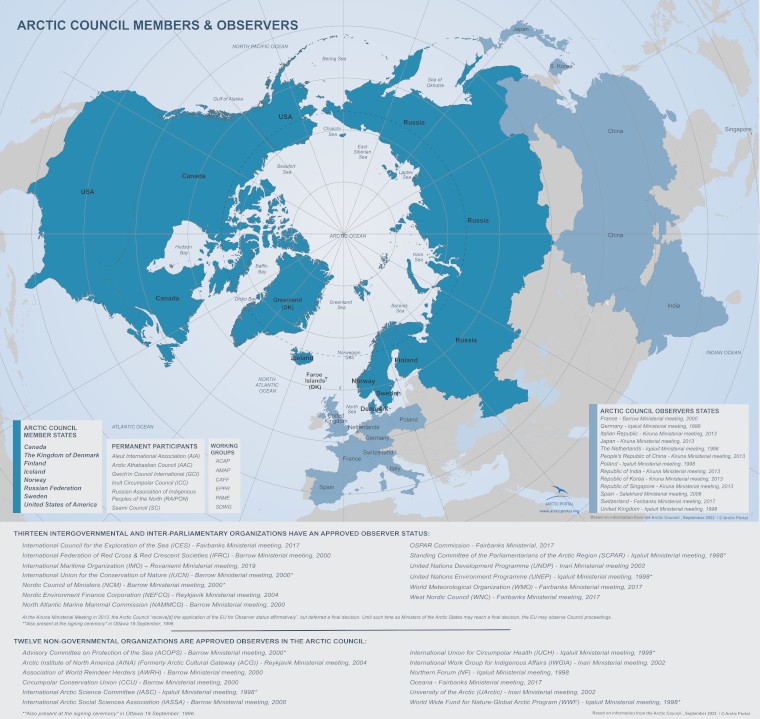
    Arctic Council Member and Observer States

    For many centuries, the Arctic was remote and pristine region left outside of scientific exploration as well as world politics. It was not before after second world war with technical advancement and ever increasing need for resources and space that world’s eyes turned to the Arctic.

    But instead of becoming a new scientific playground furthering our understanding on world’s ecology, the Arctic became militarized region of both the east and the west for four long decades or until the emergence of the perestroika in the Soviet Union which gradually brought the cold war enemies closer and eventually to the same table in 1989.

    The first purely Arctic oriented meeting of the eight Arctic countries – Canada, Denmark, Finland, Iceland, Norway, Sweden, Russia and the U.S. – took place in Rovaniemi, Finland in September 1989. The topic of the meeting was the fragile Arctic environment and a potential for joint effort in tackling the very delicate but urgent issue.

    After intensive cooperation for the next two years, the Arctic Environmental Protection Strategy was initiated in 1991. The AEPS concentrated on cooperation in scientific research and sharing of data on effects of pollution as well as assessing the potential environmental impacts of development activities in the Arctic through its four specific measures, namely Arctic Monitoring and Assessment Programme, Protection of the Marine Environment in the Arctic, Emergency Prevention, Preparedness and Response in the Arctic and Conservation of Arctic Flora and Fauna.

    The cooperation around the AEPS was quite untraditional for many reasons. First, it was one of the first venues where the cold war parties cooperated together to reach a common goal and secondly it became one of the very few inter-governmental institutions including indigenous peoples of the region in the work from the beginning.

    It became, however, soon clear that the Arctic issues and the change happening in the Arctic environment would have such an immense impact globally that it was decided that the AEPS would step aside and new inter-governmental high level forum would be created to deal Arctic environmental issues.

    In 1996, the Arctic Council, with membership of all eight Arctic states and permanent participation of regional indigenous peoples associations, was established to promote cooperation, coordination and interaction in issues of sustainable development and environmental protection.

    The Arctic Council consists of eight Arctic states; Canada, Denmark, Finland, Iceland, Norway, Sweden, Russia and the U.S and six permanent participants; Aleut International Association, Arctic Athabaskan Council (AAC), Gwich’in Council International (GCI), Inuit Circumpolar Council (ICC), Russian Arctic Indigenous Peoples of the North (RAIPON) and Saami Council. The Arctic Council is governed by Senior Arctic Official (SAO) meetings, which are held twice a year and biennial Ministerial meetings. The chairship of the Council rotates between the eights states, each state holding the position for two years at a time.

    Since the end of the cold war the Arctic has been changing in ever increasing speed. Not only does the international community face immense environmental challenges that will influence every part of the world, but also will the Arctic states face territorial claims, issues concerning maritime transportation and infrastructure, natural resource exploitation and a whole new political setting.

    The Arctic is becoming a lively international region rich of natural resources and high economic potential. The fact is, however, that there is lacking a common political agenda for the future in the Arctic and a legal framework for the emerging maritime activities. Infrastructure on the Arctic coastline is not ready to welcome the incipient economical activities and the participation procedure of the indigenous peoples in developing the area has not yet been fully established. Most of these activities must be undertaken jointly by all the Arctic nations for them to have real impact. The shortage of the Arctic Council mandate to deal with issues other than environment has led to a situation where decisions are made in isolation creating thus incomplete and fragmented framework for the Arctic region.

    This situation has been understood in the Arctic states and in every established national Arctic Policy the need for stronger Arctic Council is recognized. In the next few years then, the states have a challenge of reforming the Arctic Council to better correspond to the contemporary challenges. The mandate must be broadened to cover issues other than environment as well and the restructured Council must be presented with a higher level image to equal other international actors in the Arctic region.

    For more information please visit the Arctic Council website.

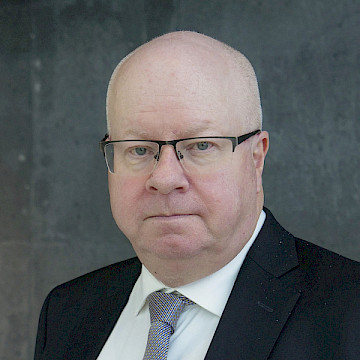
    Kenneth Høegh

    Kenneth Høegh Chair of the senior Arctic Official

    Kingdom of Denmark’s Chairship, 2025-2027

    As Chair, the Kingdom of Denmark will work diligently to keep the Arctic Council vibrant and resilient, first and foremost for the Indigenous Peoples and inhabitants of the Arctic so that the Arctic remains a region of stability and constructive cooperation. An overall ambition is to have an inclusive Chairship and to bring the work of the Arctic Council close to the Peoples and citizens living in the region who must have an impact on the activities in the region, particularly on how sustainable development is interpreted and advanced. Recognizing that Indigenous Knowledge and perspectives are essential to understanding and managing changes in the Arctic, strong integration of Indigenous Knowledge alongside scientific insights in the work of the Arctic Council is a priority.

    Priorities

    • Indigenous Peoples and Communities of the Arctic
    • Sustainable Economic Development and Energy Transition Solutions
    • Oceans
    • Climate change in the Arctic
    • Biodiversity

    Indigenous Peoples and Communities of the Arctic

    Interest in Arctic sustainable development, regardless of the interpretation of the concept, has been a major area for growth in the Council’s activities. The Chairship will continue to focus on the human dimension of the Arctic Council with a particular focus on strengthening the participation of Indigenous Peoples and the inclusion of Indigenous Knowledge.

    Sustainable Economic Development and Energy Transition Solutions

    People living in the Arctic have a natural and particular interest in activities occurring in the Arctic and how sustainable economic development is advanced in a balanced manner with respect for different Arctic ways of life. The Chairship will dedicate efforts and attention towards sustainable economic development, with a goal of ensuring that initiatives in this field are being led by the Peoples of the Arctic for the benefit of all Arctic inhabitants with a particular focus on Indigenous Peoples.

    Oceans

    The Arctic is predominantly covered by oceans. The Arctic seas are of immense importance for the people in the Arctic and in particular Indigenous Peoples and their communities who depend on the health of the sea for their livelihoods and way of life. Ongoing warming and the reduction of sea ice call upon us to step up monitoring developments and to identify the drivers of change thereby enhancing predictability and effective management of the changing marine environment.

    Climate Change in the Arctic

    Climate change in the Arctic is happening at an unprecedented rate with the estimated average temperature increase now three times higher than the global average. As a result, the Arctic inhabitants are among the first to experience the profound impacts of climate change firsthand. Climate change significantly impacts Indigenous Peoples and their communities in the Arctic, affecting their environment, livelihoods, cultural practices, and overall well-being. Our youth will inherit the state of our planet. This places a crucial responsibility on all generations past and present. Arctic climate change affects all spheres of work being undertaken by the Arctic Council with huge cross-cutting consequences for Arctic biodiversity, ecosystems and societies. The Chairship will highlight climate change trends and address the impacts of climate change on sustainable development in the Arctic.

    Biodiversity

    Biodiversity has been a key priority for the Arctic Council since its establishment. The Chairship will continue this commitment in line with the Arctic Council Strategic Plan 2021-2030’s 2nd goal: We will emphasize collaboration across the Arctic Region to monitor and assess the status and trends regarding Arctic biodiversity and ecosystems enabling us to continue to detect and predict changes and provide the best available scientific data and Indigenous Knowledge for governance.

    Einar Gunnarsson

    Morten Høglund Chair of the senior Arctic Official

    Norway Chairship, 2023-2025

    The overall objective for Norway’s Chairship of the Arctic Council will be to promote stability and constructive cooperation in the Arctic. Norway will focus on the core issues the Council deals with, including impacts of climate change, sustainable development, and efforts to enhance the well-being of people living in the region. Through four priority topics: the oceans; climate and environment, sustainable economic development; and people in the North, Norway will continue to pursue the long-term approach taken by the Council in its important efforts to ensure a vibrant and sustainable Arctic region. Arctic youth and Arctic Indigenous Peoples are cross-cutting priorities of the Norwegian Chairship.

    For more than 25 years the Arctic Council has played a central role in Arctic cooperation. The Working Groups produce crucial knowledge on the state of the Arctic, including climate change, which feeds into national and international management regimes.

    Priorities

    The four thematic priorities of Norway’s Chairship reflect long-term Norwegian priorities for the Arctic and for Norway’s Arctic policy, which are founded on knowledge and the principles of responsible and sustainable management.

    The Oceans

    A combination of increasing activity, rapid climate change and loss of sea ice is putting growing pressure on the Arctic marine environment. To promote healthy and productive oceans and enhance sustainability of Arctic Ocean industries, Norway will continue to focus on integrated ocean management.

    We will continue the efforts to support and strengthen international ocean research collaboration and increase joint action to combat marine litter. The coastal areas play a vital role in maintaining dynamic local communities in the north. Strengthening cooperation on emergency preparedness and safe shipping in the Arctic is therefore a priority for Norway.

    Clmate and Environment

    Climate change is particularly rapid in the Arctic. Changes in the Arctic have impacts at a global level. Climate change is by far the most serious threat to Arctic biodiversity. During the Norwegian Chairship, we will focus on the impacts of climate change in the Arctic, the need to adapt the management regime to climate change, and the environmental problems associated with expanding human activity. A shared, robust knowledge base is vital to dealing with these challenges.

    Sustainable Economic Development

    The rich natural resources of the Arctic are already playing a role in economic development and supporting dynamic communities in the Arctic. At the same time, the region has considerable potential for economic development in connection with the green transition. During its Chairship, Norway will highlight sustainable economic development as an essential basis for social development in the Arctic. The green transition, the blue economy, sustainable shipping, and Arctic food systems will be special thematic priorities.

    People in the North

    Global climate change is altering the framework for livelihoods, settlement patterns and living conditions for people living in the Arctic, often in new and different ways. Through its Chairship of the Arctic Council Norway will seek to develop resilient, diverse, and inclusive Arctic communities that are attractive places to live in, for everyone.

    To this end, Norway will seek to strengthen Arctic health cooperation, including cooperation on enhanced medical preparedness in the region. Norway will also work to enhance Arctic cooperation in the cultural field.
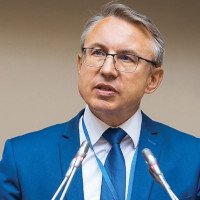
     

    Nikolay Korchunov

    Nikolay Korchunov SAO Chair

    Russia Chairship, 2021-2023

    Responsible Governance for a Sustainable Arctic

    A cross-cutting priority of the Russian Chairmanship in the Arctic Council will be “Responsible Governance for Sustainable Arctic” through promoting collective approaches to the sustainable development of the Arctic, environmentally, socially and economically balanced, enhancing synergy and cooperation and coordination with other regional structures, as well as implementation of the Council’s Strategic Plan, while respecting the rule of law.

    The Comprehensive Program of the Russian Chairmanship Involves Multi-laterial Cooperation in the Following Priority Areas:

    1. People of the Arctic, including Indigenous Peoples

    The sustainable development of the Arctic is largely determined by the quality of human capital. The Russian Chairmanship’s main focus will be given to enhancing sustainability, resilience and viability of the Arctic communities, climate change adaptation measures, improving the well-being, health, education, quality of life of the Arctic inhabitants, as well as ensuring sustainable socio-economic development in the region. Promotion of scientific, educational and cultural exchanges, tourism and contacts between peoples and regions will also be high on its agenda. Special attention – to the preservation of linguistic and cultural heritage of Indigenous peoples of the Arctic, to the youth cooperation across the borders.

    2. Environment protection, including Climate Change

    Taking into account the rapid climate change in the Arctic, most notably accompanied by degradation of permafrost and the icy gas hydrides emissions, the Russian Chairmanship will continue supporting efforts to mitigate the negative effects of climate change, increase adaptation of life activities and ensuring resilience to its consequences, preservation and restoration of the environment, sustainable use of natural resources, maintaining the health of the Arctic ecosystems, including marine environment, preserving biodiversity, in particular, the Arctic migratory birds. In the context of further development of the region it is important to take into account not only the vulnerability of the Arctic to climate change, but also its long-term contribution – due to its natural, energy and transport resources and solutions – in facilitating the transition to a low-emission economy and, accordingly, to the implementation of the goals of the Paris Agreement. Equally topical task is to promote the introduction of advanced sustainable innovative technologies into the transport sector, industry, infrastructure and energy, including the use of renewable energy sources to improve the standards of living of the Arctic inhabitants.

    3. Socio-Economic Development

    A key condition for the well-being and prosperity of the Arctic is its sustainable economic development. The Russian Chairmanship will be further promoting constructive economic cooperation in the region, developing of reliable energy infrastructure, sustainable transport routes, including shipping, telecommunication systems, food production sector, improving the conditions for sustainable investment flows, encouraging innovations and entrepreneurship, business financing.

    4. Strengthening of the Arctic Council

    The Russian Chairmanship will continue supporting the establishment of the Arctic Council as the leading format for international Arctic cooperation, improving its work, increasing the effectiveness of its Working and Expert groups, the Secretariat, as well as developing mechanisms for financing the Council’s activities, including its projects and programs, implementing decisions and recommendations, as well as encouraging the dialogue and interaction with the Observers to provide their meaningful and balanced engagement in the Council’s activities. It intends to further intensify collaboration of the Arctic Council with the Arctic Economic Council, the Arctic Coast Guard Forum, the University of the Arctic. Among the priorities of the Russian Chairmanship – promoting international scientific cooperation, in particular, exploring the possibility to conduct an Arctic Council scientific expedition to the Arctic Ocean.


    Einar Gunnarsson

    Einar Gunnarsson SAO Chair

    Iceland Chairship, 2019-2021

    The theme of the Arctic Council Chairmanship program for 2019-2021 reflects Iceland’s commitment to the principle of sustainable development and refers to the necessity of close cooperation between the states and peoples of the region and beyond. With sustainable development as an overarching theme, Iceland will highlight four priorities: The Arctic Marine Environment, Climate and Green Energy Solutions, People and Communities of the Arctic, and a Stronger Arctic Council.

    The Arctic marine environment

    During its Chairmanship, Iceland will highlight plastic pollution in the Arctic marine environment, drawing on the findings of the first desktop study on marine litter in the Arctic. The Arctic Council will work on the development of a Regional Action Plan to reduce marine litter, including micro-plastics, along with other efforts to monitor and limit its impacts.

    Innovative methods to improve the utilization of living marine resources may have considerable potential for driving sustainable economic growth in coastal communities. Iceland is leading the development of a project on the Blue Bioeconomy in the Arctic, exploring opportunities to increase the value of marine products.

    Iceland will continue to promote safe and sustainable shipping in the Arctic. With increasing marine traffic and activities, it is essential to maintain close and effective cooperation among the Arctic States on search and rescue, as well as emergency prevention, preparedness and response. Circumpolar meteorological and oceanographic cooperation also serves to improve safety at sea and should be developed further, in collaboration with the World Meteorological Organization.

    Climate and green energy solutions

    on gender equality in the Arctic and strengthen a network of experts and stakeholders in the field.

    Stronger Arctic Council

    Iceland’s Chairmanship will strive to enhance the constructive cooperation that has always been a key strength of the Arctic Council. Close consultations between the Member States and the Permanent Participants must continue, and further opportunities for mutually beneficial collaboration with Observers should be explored.

    Iceland wishes to strengthen cooperation between the Arctic Council and the Arctic Economic Council, on the basis of a new Memorandum of Understanding, with the shared objective of promoting responsible economic development.
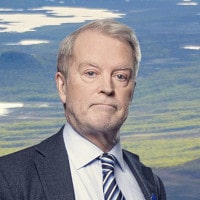
     

    Aleksi Härkönen SAO Chair

    Aleksi Härkönen SAO Chair

    René Söderman Senior Arctic Official

    René Söderman Senior Arctic Official

    Finland Chairship, 2017-2019

    Finland builds the 2017–2019 Chairmanship of the Arctic Council on strong Arctic traditions and expertise.

    Finland wants to highlight two recent milestones which have major relevance to the Arctic.

    The international community adopted a universal, legally binding climate agreement in Paris in 2015. Global warming is still expected to continue for decades with considerable impact on the Arctic. It is necessary to continue working to mitigate climate change and strengthen resilience and adaptation, and to raise awareness of Arctic issues in global climate talks.

    The goals of the 2030 Agenda for Sustainable Development, adopted by the United Nations in 2015, are global in scope and apply also in the Arctic. Sustainable development is at the core of the Arctic Council mandate. Accordingly, Finland proposes to explore how the Agenda 2030 framework can be used in Arctic cooperation for the benefit of humans and nature.

    The Arctic is developing into an important hub of the twenty-first century. The economic potential of the region should be harnessed in a way that brings prosperity to, and guarantees the livelihood and social progress of, Arctic inhabitants and communities. Sustainable economic development is the key to resilient communities.

    Finland strives to increase the cooperation between the Arctic Council and the Arctic Economic Council to support the goal of facilitating business-to-business activities and responsible economic development. Common areas of interest include capacity building, risk management, connectivity, cold-climate technologies and services, maritime transport, energy, bioeconomy, tourism, housing and mining.

    In 2017 Finland celebrates the 100 anniversary of its independence. Among the planned Arctic events are the international Rovaniemi Arctic Spirit conference and a scientific expedition in Arctic waters on board a Finnish icebreaker.

    Environmental protection lies at the core of Arctic cooperation. The Arctic region is often equated with a clean environment and plentiful natural resources. Healthy ecosystems and human well-being in the Arctic require effective environmental protection measures. Finland invites the Arctic Council to further focus on biodiversity conservation and pollution prevention, as well as mitigation and adaptation to climate change.

    The Arctic Council and its Working Groups have produced a wealth of top-quality assessments on the state of the Arctic environment, along with recommendations for action. Finland encourages Member States to put the recommendations into practice and to communicate the results also in global forums. Finland proposes intensified exchange of information on best practices and emerging technologies to promote sustainable and responsible development in the Arctic.

    Further information
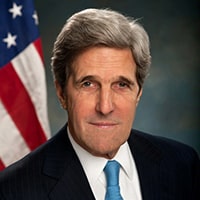
     

    U.S. Secretary of State John Kerry, Chair of the Arctic Council

    U.S. Secretary of State John Kerry, Chair of the Arctic Council (photo: www.arcticcouncil.org)

    Ambassador David Balton, Chair of the Senior Arctic Officials

    Ambassador David Balton, Chair of the Senior Arctic Officials

    U.S. Chairship, 2015-2017

    During the Arctic Council Ministerial Meeting held in Iqaluit, (Nunavut, Canada) on 24 April 2015, the U.S. has taken over the Arctic Council Chairmanship, previously hold by Canada.

    The U.S. chairmanship theme, One Arctic: Shared Opportunities, Challenges, and Responsibilities, reflects the U.S. commitment to a well-managed Arctic, marked by international cooperation. In partnership with the other Arctic States and Permanent Participants, the United States is proud to initiate wide-ranging work to protect the marine environment, conserve Arctic biodiversity, improve conditions in Arctic communities and address the rapidly changing climate in the Arctic.
    U.S. Secretary of State John Kerry is the current chair of Arctic Council.
    The program of the U.S. focus on four priorities:

    Arctic Ocean: With the increase in human and maritime activity in the Arctic, Arctic Council members are working together to promote Arctic Ocean safety, security and stewardship, including by exercising Arctic State agreements on search and rescue cooperation and oil pollution preparedness and response.

    Arctic Communities: A rapidly warming Arctic is threatening Arctic communities through coastal erosion, thawing permafrost and changing ecosystems. The Arctic Council’s work on energy and water security seeks to improve economic and living conditions in the region by pursuing innovative technologies to mitigate the significant challenges faced by remote Arctic communities.

    Arctic Climate: The impacts of climate change in the Arctic, a region where people, animals and plants have thrived for thousands of years, threaten communities and their ways of life, as well as the ecosystems upon which these communities depend. The Arctic Council is addressing the impacts of climate change in the Arctic by targeting short-lived climate pollutants through reductions in black carbon and methane emissions.

    Arctic Awareness: The Arctic is a socially vibrant and biologically diverse region that requires resources for sustainable development and environmental protection. By raising awareness of the Arctic and its role in the global ocean and climate systems, the Arctic Council seeks to educate and inform the public worldwide that the Arctic should matter to everyone.

    Download the U.S. Chairship Highlights
    Canada flag

    Denmark flag

    Finland flag

    Iceland flag

    Norway flag

    Russia flag

    Sweden flag

    USA flag

    Out of a total of 4 million inhabitants of the Arctic, approximately 500,000 belong to indigenous peoples. Indigenous peoples’ organizations have been granted Permanent Participants status in the Arctic Council. The Permanent Participants have full consultation rights in connection with the Council’s negotiations and decisions. The Permanent Participants represent a unique feature of the Arctic Council, and they make valuable contributions to its activities in all areas. The following organizations are Permanent Participants of the Arctic Council:

    The Council’s activities are conducted in six working groups. The working groups are composed of representatives at expert level from sectoral ministries, government agencies and researchers. Their work covers a broad field of subjects. The working groups are:

    Arctic Contaminants Action Program (ACAP)
    The goal of ACAP is to reduce emissions of pollutants into the environment in order to reduce the identified pollution risks. ACAP also encourages national actions for Arctic State governments to take remedial and preventive actions relating to contaminants and other releases of pollutants. ACAP acts as a strengthening and supporting mechanism to encourage national actions to reduce emissions and other releases of pollutants.

    Arctic Monitoring and Assessment Programme (AMAP)

    AMAP’s current objective is “providing reliable and sufficient information on the status of, and threats to, the Arctic environment, and providing scientific advice on actions to be taken in order to support Arctic governments in their efforts to take remedial and preventive actions relating to contaminants”. AMAP is responsible for measuring the levels, and assessing the effects of anthropogenic pollutants in all compartments of the Arctic environment, including humans; documenting trends of pollution; documenting sources and pathways of pollutants; examining the impact of pollution on Arctic flora and fauna, especially those used by indigenous people; reporting on the state of the Arctic environment; and giving advice to Ministers on priority actions needed to improve the Arctic condition.

    Conservation of Arctic Flora and Fauna (CAFF)

    The biodiversity working group of the Arctic Council, and its mandate is to address the conservation of Arctic biodiversity, and to communicate its findings to the governments and residents of the Arctic, helping to promote practices which ensure the sustainability of the Arctic’s living resources. CAFF’s projects provide data for informed decision making in resolving the challenges which are now arising in trying to both conserve the natural environment and permit regional growth. This work is based upon cooperation between all Arctic countries, indigenous organizations, international conventions, and organizations.

    Emergency Prevention, Preparedness and Response (EPPR)

    The goal of the EPPR Working Group is to contribute to the protection of the Arctic environment from the threat or impact that may result from an accidental release of pollutants or radionuclide’s. In addition, the Working Group considers issues related to response to the consequences of natural disasters. EPPR works with Arctic Council Working Groups and other organizations to ensure that the emergencies are appropriately addressed in Council products and work. EPPR also maintains liaison with the oil industry and other relevant organizations with the aim of enhancing oil spill prevention and preparedness in the Arctic.

    Protection of the Arctic Marine Environment (PAME)

    The PAME Working Group’s activities are directed towards protection of the Arctic marine environment. Increased economic activity and significant changes due to climatic processes are resulting in increased use, opportunities and threats to the Arctic marine and coastal environments. These predicted changes require more integrated approaches to address both existing and emerging challenges of the Arctic marine and coastal environments. PAME’s mandate is to address policy and non-emergency pollution prevention and control measures related to the protection of the Arctic marine environment from both land and sea-based activities. These include coordinated action programmes and guidelines complementing existing legal arrangements.

    Sustainable Development Working Group (SDWG)

    The goal of SDWG is threefold. To propose and adopt steps to be taken by the Arctic States to advance sustainable development in the Arctic, including opportunities to protect and enhance the environment and the economies, culture and health of Indigenous Peoples and Arctic communities, as well as to improve the environmental, economic and social conditions of Arctic communities as a whole. The SDWG has major areas of activity which include: Arctic Human Health, Arctic Socio-Economic Issues, Adaptation to Climate Change, Energy and Arctic Communities, Management of Natural Resources, Arctic Cultures and Languages.

    Observer status in the Arctic Council is open to non-arctic states, inter-governmental and inter-parliamentary organizations, global and regional and non-governmental organizations.

    Thirteen non-arctic countries have been admitted as Permanent Observer States to the Arctic Council:

    Thirteen Intergovernmental and Inter-Parliamentary Organizations have been given observer status:

    Thirteen Non-government organizations are observers in the Arctic Council:

  • Denmark wants China near AC

    Denmark wants China near AC

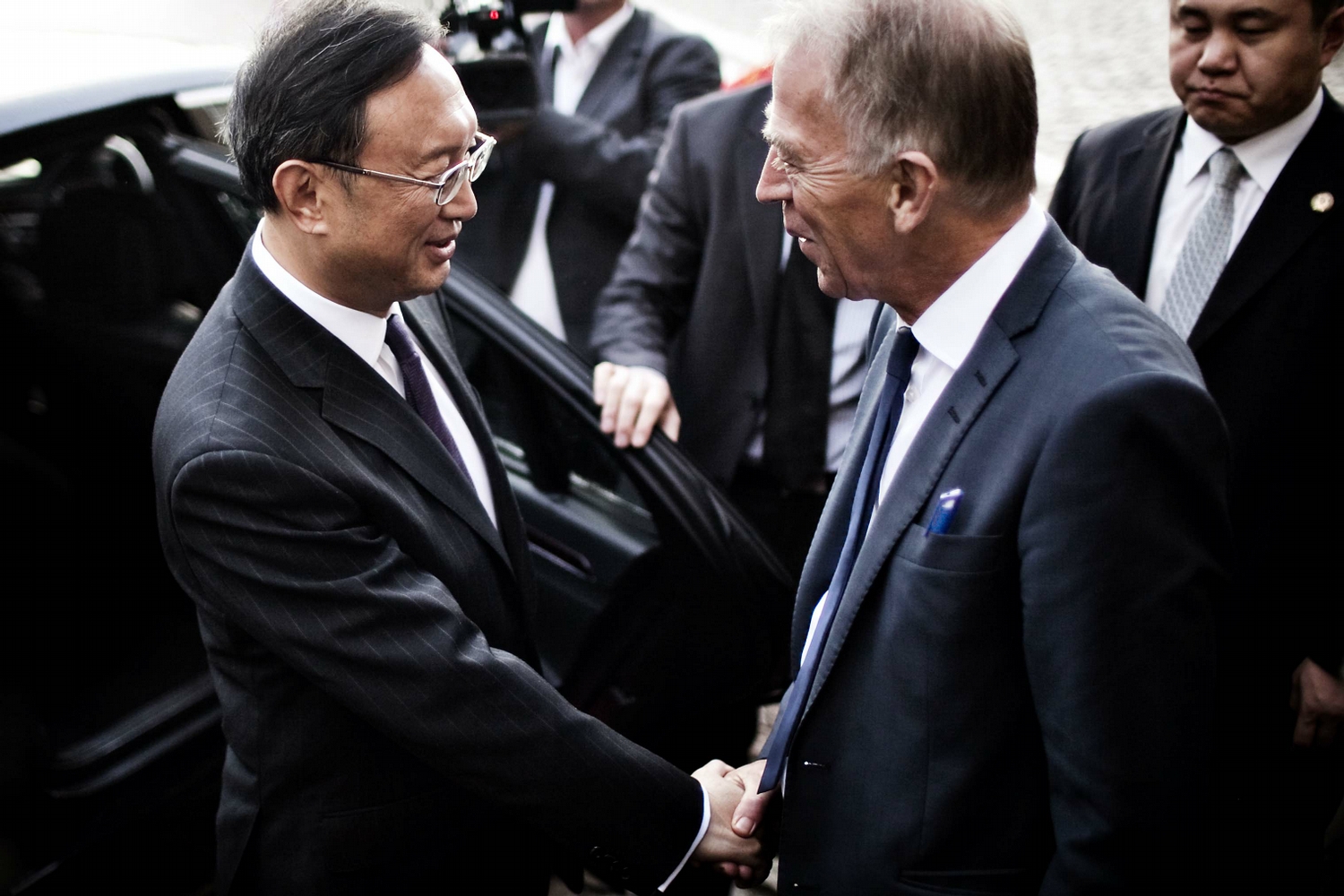
    Foreign Minister Yang Jiechi amd Villy Søvndal

    Denmark is looking to pave the way for China to the Arctic Council. Denmark wants China to become a permanent observer state in the organization.

    China has a temporary hearing to the Council today. Denmark stood down from its role as Chair at the ministerial meeting in Nuuk in May this year, and Sweden took over.

    “It is in the best interest for Denmark to help China to come closer to all the decision making in the Arctic,” Villy Søvndal, Minister of Foreign Affairs in Denmark said to Danish newspaper Berlinske Tidene.

    “It’s not only in the interest of Denmark, but the whole Council, that nations with great interest in the Arctic can follow what happens there,” he said.

    Denmark (including Faroe Islands and Greenland), Iceland, Finland, Sweden, Norway, Russia, Canada and USA are members of the Council.

    Six working groups of indigenous people have permanent participant status but Denmark wants China to be on par with permanent observer states. They are six and are France, Germany, The Netherlands, Poland, Spain and the United Kingdom.

    Søvndal says that China can’t be ignored because of the size and importance of the country.

    Søvndal also states that this will not lead to Denmark’s position weakening. “Definitely not, this is not a hug change, but an important one.”

    China has applied for the position which has not been given to the country, yet. Mixed feelings surround big players like China and the European Union getting the Permanent Observer status, especially amongst the indigenous people.

    Søvndal predecessor, Per Stig Møller, agrees with the Minister. “We are interested in that more countries understand the difficulties around the Arctic. It is positive that more countries want to observe the decisions made in the Council.”

    The decision will be made in the next ministerial meeting, in Sweden in 2013.

    Source: Berlinske Tidene