Tag: arctic

  • New Arctic brigades in the making

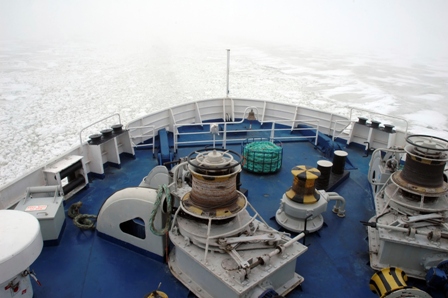
    Helicopter and a vessel in the Arctic ocean

    Norway and Russia are strengthening their cooperation in the Arctic. The two states already have an extensive cooperation, but are strengthening with military relations and multi-branch exercises with common strategic and environment-based programs.

    The countries recently held talks about the strengthening of political and military operations. Russian Deputy Defense Minister Anatoly Antonov and Norwegian Defense Minister Espen Barth Eide with Roger Ingebrigtsen, state secretary for defense, attended the meetings.

    Both countries are reorganizing their naval, air and land forces in the strategic High North. Both countries are planning Arctic brigades, Russia in the Kola Peninsula and Norway in Skjold, in the High North’s Troms county. The countries also discussed NATO’s missile defense plan for Europe, which Russia is robustly opposed to.

    “Our relations with Russia have never been better than they are now,” Ingebrigtsen said. “We want to deepen the good relationship that we have even further. Among other things, we would like to hold more joint training exercises, both on land and at sea, probably in 2013.”

    The strengthened relationship, Antonov said, is reflected in the fact that the two militaries will participate in 24 joint exercises and events over the next 12 months. “The goal for both sides is increased security in the High North, which can only benefit our countries,” Antonov said.

    The annual naval exercise POMOR-2012, which takes place in May, will be the next major demonstration of stronger bilateral military collaboration between Norway and Russia. The exercise will involve Norwegian and Russian naval and air assets, including frigates, destroyers, helicopter support and combat aircraft.

    The range of joint tasks will include boarding operations, search and rescue, air defense, navigation and interoperability of communication procedures and systems.

    Source: Defensenews

  • NASA research plane in the Arctic

    NASA research plane in the Arctic

    NASA research plane in the arctic

    NASA has sent an Earth Resources (ER-2) high-altitude science aircraft to Iceland to study the Greenlandic ice-sheet.

    The specially designed aircraft will carry out research for about 4 weeks in the high North. It will be based in Keflavík International Airport in Iceland.

    A statement from the US embassy of Iceland details the purpose of its mission:
    “The mission will assist global warming research by developing better methods to measure the melting of the ice in Polar regions. The ER-2 aircraft will fly high-altitude missions over Greenland in April to test the accuracy of a newly developed laser, the Multiple Altimeter Beam Experiment Lidar, or MABEL. The laser simulates a similar instrument planned for NASA’s IceSat-2 environmental satellite scheduled for launch in 2016.”
    According to NASA, this is a part of a much larger mission called Operation IceBridge. Conducted in the Arctic in March and April and the Antarctic during October and November, NASA says, the mission is “the largest survey of Earth’s polar ice ever flown.”

    The plane is a science laboratory in the air. It routinely flies around 70.000 feet and above, twice the height of a regular commercial airplane.

    NASA ER-2s have played an important role in Earth science research because of their ability to fly into the lower stratosphere at subsonic speeds, enabling direct stratospheric sampling as well as virtual satellite simulation missions. The aircraft’s unique capabilities enable studies such as stratospheric ozone concentrations over Antarctica and the Arctic.

  • Aquaculture in the Arctic

    Aquaculture in the Arctic

    Aquaculture is an important part of the food sector in the world. Aquaculture involves cultivating freshwater and saltwater populations under controlled conditions, and can be contrasted with commercial fishing, which is the harvesting of wild fish.

    Aquaculture is predominantly for human consumption. Aquaculture accounted for 45,7% of fish consumption in the world in 2008. It has grown rapidly over the last 50-60 years, the annual production in 1950 was around 1 million tons compared to 52.500 thousand tons in 2008.

    Some nations have a long history of aquaculture but Asia dominates the world production, around 88,8% of the world aquaculture production comes from Asia. China alone is responsible for 62,3% of that.

    China produced around 32.736 thousand tons in 2008. India is next (3479 t), Vietnam (2462 t) and then Indonesia, Thailand and Bangladesh all between 1000 and 2000 thousand tons.

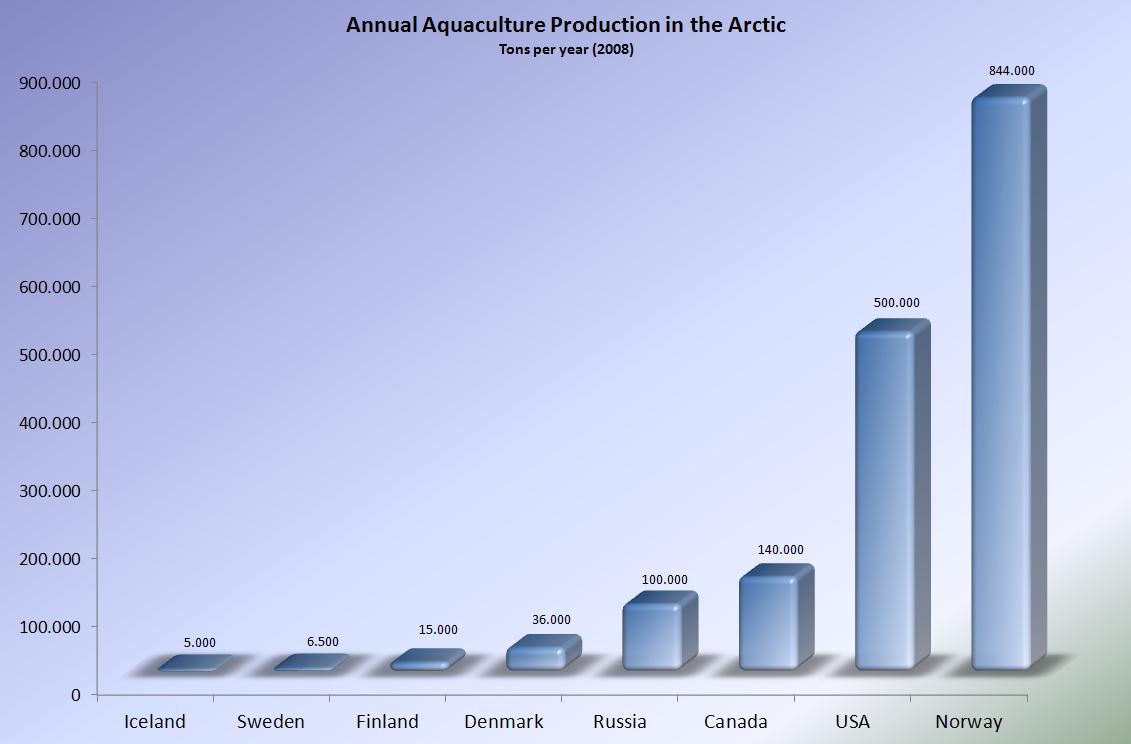
    Norway is next with 844.000 tons, the largest of the Arctic states, and USA has 500.000 million. Russia was under 100.000 tons, Canada 15.360 tons and Iceland only around 5000 tons.

    The Arctic states produce enormous amounts of fish product s with aquaculture. The industry is a complicated process, if properly regulated; aquaculture can provide good opportunities for local development without large impacts on the ecosystem. Poorly managed and poorly regulated aquaculture, however, can have severe negative impacts through the release of excessive nutrients and chemicals, as well as escapes of farmed fish and the risk of disease transfer.

    More stable and predictable production volumes, as well as large markets in the EU and the US, are among the advantages of aquaculture, the farming of marine organisms, seen from a business perspective. Salmon and trout are common industries both in Norway and USA to a large scale. Other countries participate as well.

    The expansion of the aquaculture industry gives rise to two overriding concerns: the intrusion of fish farms into vulnerable marine and coastal areas, and the overall sustainability of an industry that depends on large catches of wild fish to feed farmed fish.

    Annual aquaculture production in the ArcticBelow is an overview of agriculture in the eight Arctic states.

    Norway (844.000 tones): Intensive farming of Atlantic salmon is by far the most important activity, accounting for more than 80 percent of the total Norwegian aquaculture production. Rainbow trout is also important and several marine finfish (cod, halibut) and shellfish species (blue mussel, oysters) are in the process of becoming commercialized. Ninety-five percent of Norwegian production is exported with the EU being the main market.

    USA (500.000 tones): The aquaculture industry in the United States of America has become well established over the last 35 years but faces significant challenges to maintain continued growth. The mainstay of the industry is the production of channel catfish which occurs largely in earthen ponds in the southeastern States of Mississippi, Louisiana, Arkansas, and Alabama. Catfish represent 81 percent of the 287.132 tons of finfish produced in 2008. There is a steady incline of total production from 1950 when it was around 50.000 tons. The peak was in 2003 when it went over 600.000 tons. But generally since then the number is around 500.000 tons. By law, aquaculture is federally defined as agriculture in the USA.

    Canada (140.000 tones): The aquaculture industry in Canada is a dynamic sector which has experienced significant growth since 2000 primarily as a result of increases in production of Atlantic salmon in marine net pens. The salmon farms are located in sheltered waters of the Pacific Ocean off of British Columbia, and in the Atlantic Maritime provinces of Nova Scotia and New Brunswick. Atlantic salmon sales generated 88 percent of the aquaculture industry’s total value in 2010 and 70 percent of tonnage.

    Russia (100.000 tones): There are four types of aquaculture activity in the Russian Federation: pasturable, ponds, industrial and recreational. There are 295 freshwater fish species in the water bodies of the Russian Federation. 63 fish species, crustacean species and mollusks are reared artificially. 27 fish breeds, crossbreeds as well as 9 domesticated forms of carp, salmon, sturgeon, coregonid and cichlid fish are now cultivated. In this century the production is around 100.000 tons annually.

    Denmark (36.000 tones): Ranking sixth in the world’s leading exporters of fish products, Denmark has a strong position in fish production and aquaculture has a long and well established tradition in the country. The main product produced is rainbow trout from freshwater ponds and mariculture units, the latter also producing roe as an important by-product. Eel is farmed in recirculated freshwater tank systems; mussels and oysters are produced in minor quantities and turbot fry is exported for further on growing. A variety of other species are raised primarily for restocking which represents an increasing share of total turnover.

    Finland (15.000 tones): With decreasing catches of wild salmon in the Baltic Sea, aquaculture became a commercial activity in the 1970s and intensified in the 1980s. Most of the aquaculture installations are located in coastal areas and mariculture is particularly important in the Archipelago Sea and along the west coast of Finland. The most important species in aquaculture is rainbow trout raised in sea cages, representing around 80 per cent of the total production from aquaculture. The rest consists of rainbow trout raised in freshwater ponds and a few other finfish. There is also farming of crayfish and production of fry and salmon for restocking purposes in the Baltic Sea.

    Sweden (6500 tones): Rainbow is the dominant specie in Swedish aquaculture. Total production in 2003 was just over 6500 tons. Sea trout, arctic char and salmon are amongst other species. Aquaculture is not a big part of the fishing industry in Sweden. It has had a steady production of around 5000-7000 tons for the last 20 years.

    Iceland (5000 tones): Aquaculture began in Iceland just before the year 1900 with the first attempts to fertilize and hatch salmonid ova and to release the emerging fry into rivers. During the period 1985-90 a large-scale build up of salmonid farms took place. Most of these farms became bankrupt, however, and the nineties were characterized by stagnation in production. In the nineties, Icelandic scientist and farmers worked on developing aquaculture of species such as Atlantic halibut, turbot, abalone and Atlantic cod. From 2000 onwards, the main increase has occurred in the production of Atlantic salmon, Arctic char and Atlantic cod. Since 2004 Iceland has produces around 5000 tons annually with aquaculture.

    Sources: Food and Agriculture Organization of the United Nations , Grida , Fisheries.is , ACIA Report
  • Excitement about EU Arctic Information Centre

    Excitement about EU Arctic Information Centre

    Director of the Arctic Centre Paula Kankaanpää, Lady Catherine Ashton, Minister for Foreign Affairs Erkki Tuomioja and Ambassador Hannu Halinen.

    The EU Arctic Information Centre will bring the Arctic closer to the European Union, and vice versa. Catherine Ashton, High Representative of the Union for Foreign Affairs and Security Policy and Vice President of the Commission, visited Rovaniemi and the Arctic Centre of the University of Lapland in Finland last week.

    She travelled together with Erkki Tuomioja, Finnish Minister for Foreign Affairs. They attended an invitation seminar at the Arctic Centre discussing the plan to establish the EU Arctic Information Centre as a network of institutions, with a hub in Rovaniemi.

    The EU Arctic Information Centre has been proposed by a group of leading Arctic research institutions. It will be a network model with nodes by expert institutions in Europe and a hub in the Arctic region of EU.

    The idea in this proposal is to organize European cooperation to inform and communicate about the Arctic, its environment, communities, cultures and peoples through the Information Centre. The new Centre will also offer requested information material to the experts, decision makers and the general public on arctic issues.

    The proposal follows the Arctic statements of the European Union (Commission 2008 and the Council 2009) that have high importance for sustainable development of the Arctic regions.

    Ms. Ashton and Mr. Tuomioja were very positive in the meeting. Ashton noted that “this is a very important place because it’s also the birth place of both the Northern dimension and the Arctic Council. And I will be completely upfront in saying I can think of nowhere better for the Arctic Information Centre to be but here.”

    The proposed Centre would have numerous positive effects and Ashton was positive it could be established in the near future. And minister Tuomioja noted that it just needed a final decision.

    “EU is preparing to establish an Arctic Information Centre in Rovaniemi. To reach that a decision prepared according to the Commission rules is still required. In Rovaniemi there was a confident mood that the decision will be ready soon and the comments given by Ashton did not weaken this confidence, to say the least”, wrote minister Tuomioja in his blog after the visit.

    Ashton also talked with the leaders of Sami parliaments of Finland, Norway and Sweden. She continued her Arctic trip to Kiruna (Sweden), Tromsö (Norway) and Svalbard.

    Sources

    Tha Arctic Centre

  • What is Permafrost?

    Permafrost covers a large area of the Arctic and a total of 25% of the earth surface. But what is it and why is it in the focal point of contemporary climate change research.

    What is Permafrost?

    Permafrost is defined as ground (soil or rock and included ice or organic material) that remains at or below 0°C for at least two consecutive years. Therefore, the ground is permanently frozen, hence the name Permafrost.

    Most of the permafrost that exists today was formed during cold glacial periods. It has persisted through interglacial periods the last 10,000 years. Relatively shallow permafrost (30 to 70 meters) was formed during the last 6,000 years and some during the Little Ice Age (from 400 to 150 years ago). In continental interiors, permafrost temperatures at the boundaries between continuous and discontinuous permafrost areas are generally about -5°C, corresponding roughly with the -8°C mean annual air temperature.

    Permafrost in mid- and low- latitude mountains is warm and its distribution is closely related to characteristics of the land surface, slope gradient and orientation, vegetation patterns, and snow cover.

    Subsea permafrost occurs close to 0°C over large areas of the Arctic continental shelf, where it was formed during the last glacial period on the exposed shelf landscapes.

    Permafrost is geographically continuous beneath the ice-free regions of the Antarctic continent and occurs beneath areas in which the ice sheet is frozen to its bed.

    Why is it important?

    Climate scientists have predicted that global warming will warm the earth of at least two degrees Celsius by the year 2100. Some say the figure could rise to 5 degrees. This will have significant effects on permafrost regions.

    Climate change will lead to the earths warming, therefore melting large permafrost areas. The projections are that permafrost will though not disappear completely. A projected decline in the extent of permafrost will have a major impact on the Earth ecosystem, affecting global climate through the mobilization of carbon and nitrogen stored in permafrost.

    The largest permafrost areas are in Siberia, where the thickest permafrost can also be found. In Central Siberia the soil can be frozen to a depth of over 1500 meters. Permafrost is also common in Alaska and Canada. Click the map on the right to expand it and see the main permafrost areas.

    On the southern fringes of permafrost areas, where the permafrost is already relatively warm, it could disappear completely. Further north, much more soil could melt – perhaps up to 80 centimeters deep instead of 50 centimeters, as it is today.
    In all these areas fauna and flora have to adjust. Where the soil was previously dry, it could become wet. Conversely, areas with many lakes can suddenly dry up, because of the thawing permafrost. The thawing can become so severe, that the permafrost becomes permeable and the lake water will seep into the underlying ground.

    But humans could ultimately be effected as well, and in fact already have. In Siberia, railway lines have subsided and therefore are ruined. Many areas, in Siberia especially, could be affected since many things are built on permafrost. When the ground thaws, the foundation can fall, like the case with the railway lines. Same applies to some airport runways, roads and households, both in Siberia, Alaska and Canada.

    Thawing permafrost can further make Oil pipelines unstable both in Russia, Alaska and Canada. The Trans-Alaskan pipeline system is in some places built on permafrost. If it would fall it could cause a major disaster. Houses have also fallen because of permafrost thaw, like the picture at the top shows.

    Another aspect of the permafrost thaw is the methane buried under it. The effects of such greenhouse gas release are still unknown and further research on this is both needed and due. General consensus is that the permafrost thaw will lead to an increase in greenhouse gas emissions.

    PAGE21

    As noted, further research is necessary. Currently, numerous prestige institutions are working together within the “PAGE21 – Changing Permafrost in the Arctic and its Global Effects in the 21st Century” project to better understand the feedbacks of the Arctic permafrost carbon and nitrogen pools to global climate change.

    PAGE21 will aim to understand and quantify the vulnerability of permafrost environments to a changing global climate, and to investigate the feedback mechanisms associated with increasing greenhouse gas emissions from permafrost zones.
    This research will make use of a unique set of Arctic permafrost investigations performed at stations that span the full range of Arctic bioclimatic zones. The project will bring together the best European permafrost researchers and eminent scientists from Canada, Russia, the USA, and Japan.

    The four year project, coordinated by Dr. Hans-Wolfgang Hubberten at the Alfred Wegener Institute in Germany, will contribute directly to the existing permafrost monitoring frameworks to further research into permafrost and climate change and works in close connection with members of the IPCC 5th Assessment Working Group.

    Sources:International Permafrost Association I Alfred Wegener Institution I PAGE21 website

  • ACI’s 3rd Polar Shipping Summit

    ACI’s 3rd Polar Shipping Summit

    Ship

    ACI’s 3rd Polar Shipping event will discuss in depth the business developments in the Arctic and the opportunities created for the shipping industry. The summit will be held in London, England, on the 30th of May, running until the 31

    .Providing a platform for networking and exchanging ideas on operational efficiency, safety, insurance and risk-management in  the Arctic, the summit’s aim is to offer delegates a tool for business development and improvement of their bottom line.

    Exploring new opportunities and rising to their challenge through the industry’s best practices whilst achieving financial targets is the ultimate goal of this event

    Tero Vauraste from Arctica Shipping will host the keynote address, representitives from Maersk and other big shipping companies will also post their addresses.

    Interactive roundtable discussion will also be held.

    Click here for the full agenda and contacts.

  • No oil rigs available – Many being built

    No oil rigs available – Many being built

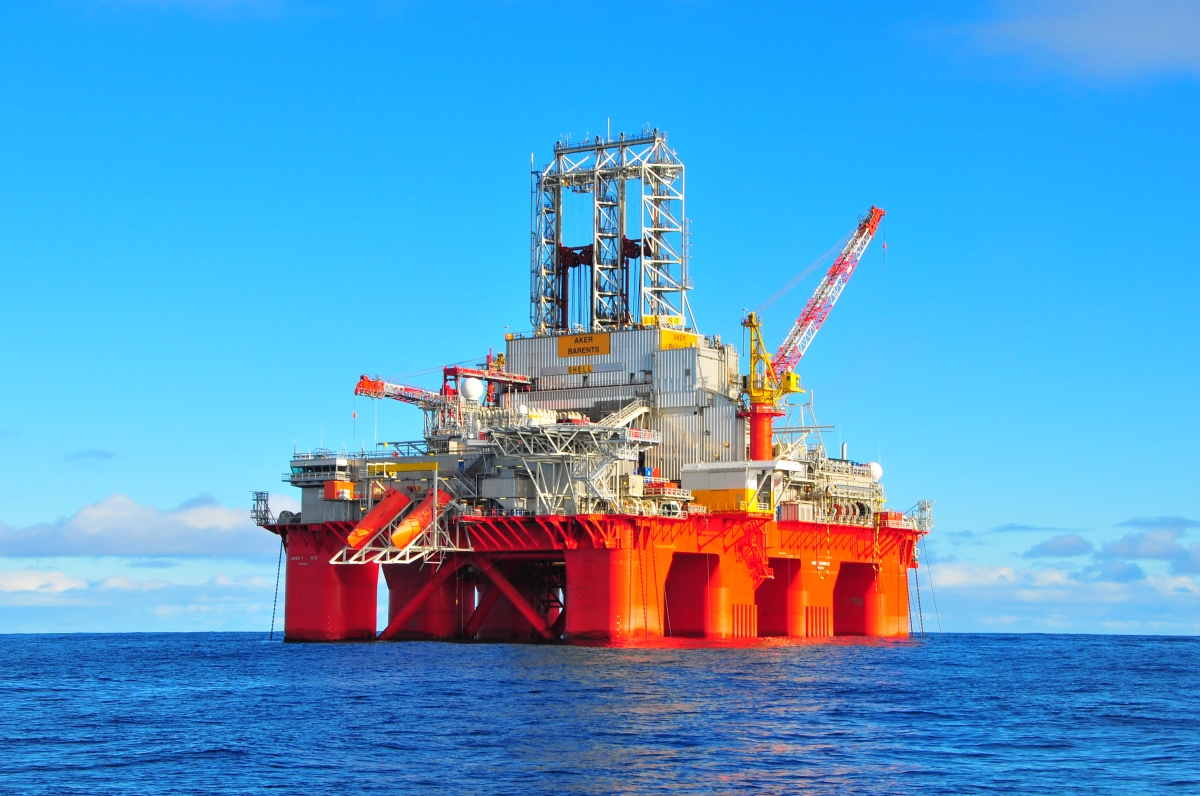
    The Aker Barents oil rig

    Over 70 oil rigs are being built around the world to meet growing demand. Many of them are custom made for the Arctic, specially made to cope with harsh conditions and deep waters.

    Lack of oil rigs could be hindering search for oil. But many oil rigs are made for the Arctic, like the Aker Barents.

    He discovered oil 200 miles out of Norway, in freezing temperatures, blistering winds and at great depth. He can drill 10.000 meters in 3000 meters deep waters.

    Aker Barents can also stand waves up to 12 meters and wind velocity up to 45 knots for some time.

    But most oil rigs in the world are booked for many years. New areas could get in trouble, although the new rigs could come to the rescue.

    Norwegian company Oddfjell Drilling is one of many making custom-made-for-the-Arctic rigs, made to drill in hard conditions and deep sea.

    Sources

    Offshore.no

  • 18.000 tons of junk to be removed

    18.000 tons of junk to be removed

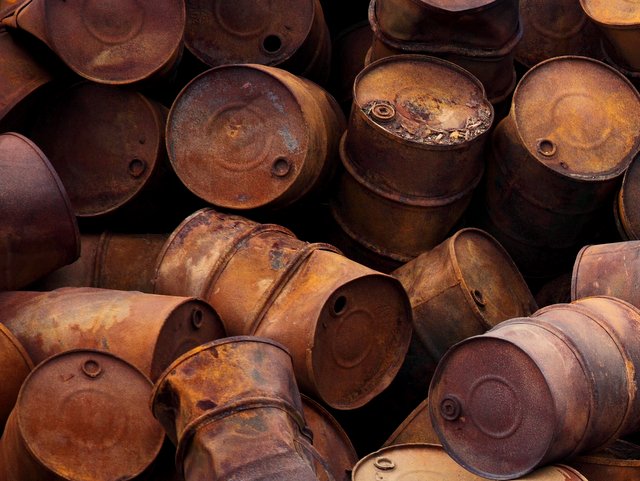
    Old oil barrel dump

    Around 18.000 tons of scrap metal will be removed from the Arctic in 2012 by Russia. The country is cleaning up the Arctic and hundreds of millions of rubles will be injected to the program.

    The Arctic Islands of Russia are full of junk, causing environmental hazards. This year the program will focus on Svalbard and Amderma.

    Amderma is planned to become a key site in the development of offshore oil and gas fields in the western part of the Russian Arctic and an important base for traffic along the Northern Sea Route.

    A staggering 114.000 tons of local scrap stockpiles are thought to be in Amderma.

    Over 1800 empty fuel barrels were transported from Wrangel Island to Arkhangelsk last year. That is only a drop in the bucket since 250,000 barrels holding some 40 to 60,000 tons of oil products are still in the area.

    Other kinds of waste include abounded aircrafts, rusty broken radar stations, different kind of Arctic vehicles and other leftover garbage.

    Sources

    BarentsObserver

    Nyaryana Vynder

  • Climate change and Fisheries

    Dried fish, traditional produce in Lofoten, Norway

    The relationship between the physical effects of climate change and effects on the ecosystem is complex. It is impossible to tell what climate change will to do biological resources in the Arctic.

    Many ideas have been set forward in the main consequences of climate change to the Arctic marine area.

    This highlights some of these thoughts:

    1. Climate change is a much more rapid warming of the Arctic surface temperatures in comparison with the rest of the world. As a consequence, Arctic waters will warm more rapidly as well.
    2. Climate change will lead to substantial reductions of Arctic sea ice coverage and thickness.
    3. Reduced salinity due to influx of fresh water as a consequence of melting sea ice (which is essentially salt free) and glacial ice.
    4. Other oceanographic and meteorological  changes (e.g. more storms and waves) in particular due to changes in air and water temperature and sea ice coverage.
    5. Increasing acidification of the world’s oceans due to increasing uptake of CO2 (which is not just relevant to the Arctic marine area).

    One general conclusion to what climate change will do is that “moderate warming will improve the conditions for some of the most important commercial fish stocks, as well as for aquaculture. This is most likely to be due to enhanced levels of primary and secondary production resulting from reduced sea-ice cover and more extensive habitat areas for subarctic species such as cod and herring. Global warming is also likely to induce an ecosystem regime shift in some areas, resulting in a very different species composition.”

    The composition of Arctic marine ecosystems will undoubtedly change, both qualitatively and quantitatively. Some species will at some stage disappear and others (e.g. due to northward migration) will be added and the relative importance of species in abundance will change as well. These changes will of course be spatially and temporally differentiated. Where new fishing opportunities will occur (on the high seas or within coastal state maritime zones) and with respect to which species or categories of species (e.g. shared, anadromous, straddling or highly migratory) is also difficult to predict.

    Similarly which states – Arctic Ocean coastal states or other states – will benefit or suffer and how subsistence fishing will be affected, among other things by competition with commercial fisheries. Finally, as reduced ice overage and thickness will also enable other human activities – most importantly shipping and offshore hydrocarbon activities – these activities may compete with fishing in a spatial sense or affect them by pollution and other impacts.
    The impact of current and future Arctic fisheries on the marine environment and marine biodiversity in the Arctic is not likely to be fundamentally different from impacts to the marine environment and biodiversity in other parts of the globe. Arctic fisheries could lead to overexploitation of target species and a variety of impacts on non-target species, for instance on dependent species due to predator-prey relationships, on associated species due to by-catch and on benthic species due to bottom fishing techniques.

    Fishing nets

    In view of the broad spatial scope of the Arctic marine area, such undesirable effects are without doubt already occurring, even though not necessarily on a very serious scale.

    The effects of a temperature rise on the production by the stocks of fish and marine mammals presently inhabiting the area are more uncertain. These depend on how a temperature increase is accompanied by changes in ocean circulation patterns and thus plankton transport and production. In the past, recruitment to several fish stocks in the area, cod and herring in particular, has shown a positive correlation with increasing temperature.

    This was due to higher survival rates of larvae and fry, which in turn resulted from increased food availability. Food is transported into the area via inflows of Atlantic water, which have also caused the ocean temperature to increase. Hence, high recruitment in fish is associated with higher water temperature but is not caused by the higher water temperature itself.

    Provided that the fluctuations in Atlantic inflows to the area are maintained along with a general warming of the North Atlantic waters, it is likely that annual average recruitment of herring and cod will be at about the long-term average until around 2020 to 2030.This projection is also based on the assumption that harvest rates are kept at levels that maintain spawning stocks well above the level at which recruitment is impaired.
    How production will change further into the future is impossible to guess, since the projected temperatures, particularly for some of the global models, are so high that species composition and thus

    the interactions in the ecosystem may change completely.

    Conclusion:

    • Climate change will affect fisheries
    • The extent is impossible to predict
    • Already happening, but not on a serious scale
    • Some species might dissapear and other might migrate to the Arctic
    • The effect on marine mammals is unknown

    Source: Arctic Transform & ACIA report

  • Whaling in the Arctic

    Whaling in the Arctic

    Arctic Portal news

    It is assumed from the existence of Stone Age rock carvings of whales that Neolithic folk knew of them, though it is not clear if their knowledge was from animals washed up or stranded on beaches, or weather they hunted whales, using boats to drive them to shore for killing. That technique, still used in the Faroe Islands today, was certainly in use in the 9th century Norway.

    The construction of Whale Alley on Yttygran Island, which dates from a later, though still early, period, indicates that the ancestors of today’s Inuit were also hunting whales many centuries ago.

    By the 16th century Basque fisherman from Spain, who has hunted whales in the Bay of Biscay and were already fishing cod near Newfoundland, began to hunt whales in that area. From written accounts and archaeological evidence they hunted around 450 whales annually. The species were Northern Right Whale and the Bowhead whale.

    Harpoon is actually a Basque word and the Spaniard techniques were used by others because of their success. Around Bear Island and Svalbard many nations flocked to hunt whales, among them British and Dutch ships.

    Large ships transported men to the whaling area, from the ships the men used rowing boats to get to the whales. The men killed the whale and towed it to the shore where the blubber was rendered and poured into barrels. The barrels were then loaded back to the big ship.

    The shore station became larger and larger; a famous one on Spitsbergen in Svalbard can still be seen today, Dutch station Blubber Town. The infamous station is thought to have portrayed everything a town of 10.00 people needed, a bakery, a dance hall, a gambling hall and a brothel. The Archeological evidence suggest that this view is far from the truth, portraying a small town of 200 people at most, housed in barrack-like rooms, and an absence of clergy and women.

    The Danes, French and Germans all sent ships to Svalbard to hunt whales. With British and Dutch ships growing as well, the whale stocks soon depleted. By the 1640´s the catch barely covered the cost of the voyage and Blubber Town was abandoned. Whaling in Jan Mayen also soon depleted after British and Dutch hunted until the stock fell immensely.

    These meant greater distances had to be covered to hunt the whales. That resulted in more dangerous voyages and both ships and men were lost. In 1830 a total of 19 of 91 British ships were lost during whaling, 12 more were seriously damaged and 21 more failed to kill a single whale. Further loss of ships in the near future put an end to British whaling in the area.

    Bowheads were also found in the Pacific. Because of huge amount of whale killing the Bowheads in the Bergin Strait found in the 1850´s were left in peace. At the same time Americans were hunting Sperm Whales both in the Atlantic and the Pacific. They had problems as well as the British and the whaling was dangerous for the Americans as well. Their losses and the development of petroleum industry that offered cheap alternative to whale oil meant an end to American whaling.

    But better ships and a call for whale products for fashion meant that whaling did not stop at all. Americans put up a whaling station in Alaska, hunting Bowhead.

    The figure how many Bowheads were killed vary between sources, but the most likely number is 120.000 to 150.00 in the whales eastern range (The Atlantic and Hudson Bay), around 20.000 in the Sea of Okhotsk and also around 20.000 in the Bering Sea.

    The result was disastrous for the whale stocks. The Atlantic stock was counted in hundreds after whaling stopped but Pacific numbers were higher.

    Today it is estimated that the Atlantic Bowhead population is still no more than 500-6000 animals (perhaps 450 on the western side, no more then 100 in the east). In the Pacific the number of Bowhead whales is thought to be around 6000-8000.

    For the Northern Right whale the numbers are even worse, only around 400 animals are thought to live in the Atlantic and only around 100 in the Pacific. Stocks of the species are growing very slowly.

    Treatment of the whales was thought to be very cruel. Some were towed for days while still alive and harpooning did not always kill the animals immediately.

    For the whales in the waters of the Arctic fringe, the pursuit was equally relentless. The Sperm whale was the main target at first, Rorquals are another specie that was hunted after development in equipment, Steam boats and explosive harpoons, invented by Norwegian Sven Foyn, helped. Rorquals were mostly hunted in the southern waters but also in the Arctic fringe.

    In 1986 the International Whaling Commission halted whale hunting. Japan, Norway and Iceland have issued scientific permits as part of their research programmes and therefore still hunt whales.

    Recent discussions have centered on accusations that such permits have been issued merely as a way around the moratorium decision; these have been countered by claims that the catches are essential to obtain information necessary for rational management and other important research needs. All proposed permits have to be submitted for review by the Scientific Committee following Guidelines issued by the Commission but the ultimate responsibility for their issuance lies with the member nation, according to the IWC website.

    The Scientific Committee comprises around 200 scientists, some nominated by member governments and others invited especially by the Committee itself.

    Disputes arose but Iceland, Japan and Norway claim that stocks in their waters is sufficient for harvesting without endangering the populations. Opponents disagree and say that population numbers are disputed, and they whales should have the benefit of the doubt.

    The main species the three whaling nations hunt are Minke whale, Fin whale and Humpback whales.

    In Iceland in 2007, 39 common minke whales were caught under special permit in accordance with the original research proposal. A total of 200 common minke whales have been caught since the start of the research programme in 2003.

    Japan has issued scientific permits every year in recent years. In the current year, permits are for the JARPA II programme (850±10% Antarctic minke whales, 50 fin whales and 50 humpback whales) and the JARPN II programme (340 minke, 50 Bryde’s, 100 sei and 10 sperm whales) are allowed.

    Norway has not sent a scientific permit for a few years.

    The IWC set catch limits for stocks subject to aboriginal subsistence whaling.

    That means native people in Alaska (USA), Chukotka (Russia), Washington State (USA) and Greenlanders cam hunt whales, along with St Vincent and The Grenadines.

    Alaskans and the people in Chukotka can land 280 bowhead whales in 2008-2012 (67 each year at the most) and a total of 620 gray whales in the same time period (140 each year at the most).

    In St. Vincent and the Grenadines the number of humpback whales in the four year period is 20.

    Greenlanders can land in these four years 12 east common minke whales, 2 west bowhead whales, in the time period of 2010-2012 they can land 16 west Greenland fin whales, 178 west common minke whales and 9 west Greenland humpback whales.

    Sources: The Arctic by Richard Sale & IWC website